
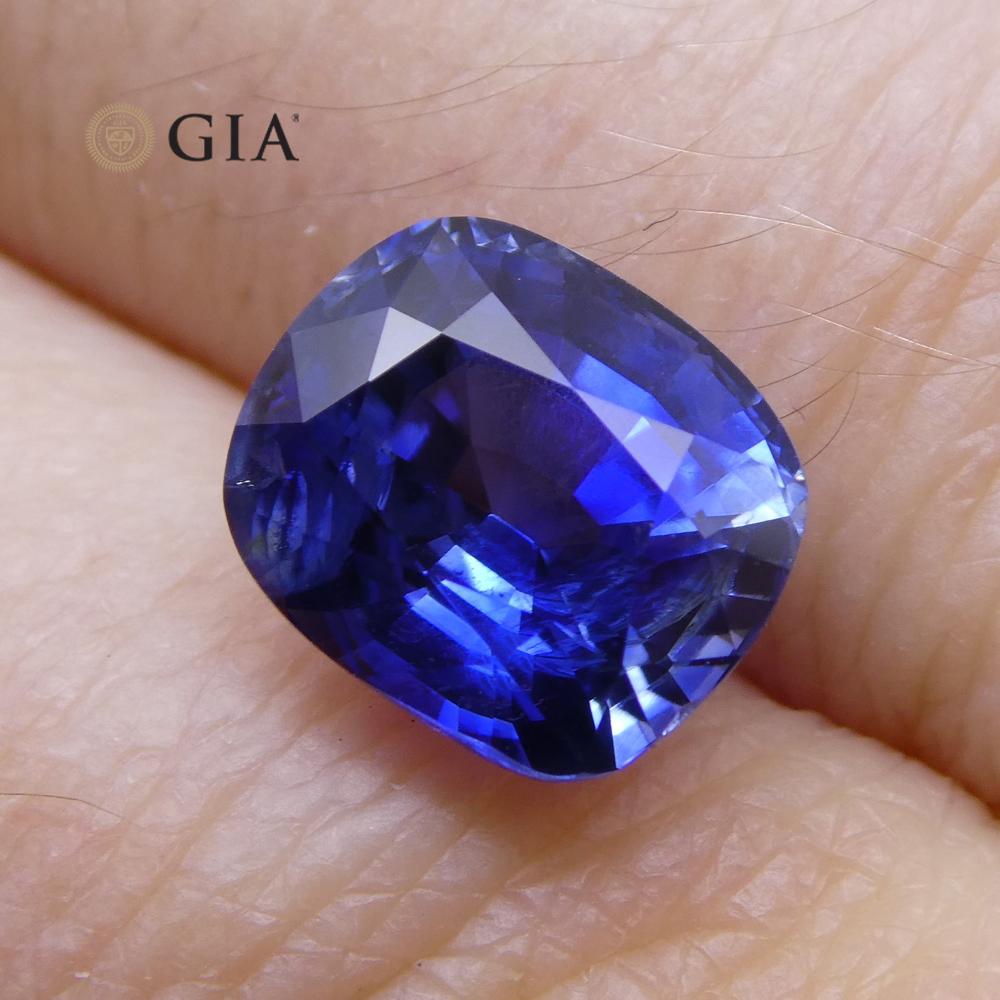
Blue Sapphire
Custom Blue Sapphire Rings in Toronto, Made Around Your Stone
Come and sit with our blue sapphires — one of the deepest blue sapphire selections in Canada, from Ceylon to Madagascar. Pick the one you love and we'll build your ring by hand in Toronto, set in gold recycled right here in Toronto. We're a coloured-gemstone dealer that sells wholesale since 1967. Now straight to the public, and you deal with the family directly: David Saad, his son Sky, and Leila GIA-certified. Backed by 4.90 stars across 452 Google reviews. Call us at 416-366-3335.
Frequently asked questions
Where can I get a custom blue sapphire ring made in Toronto?
At Skyjems, 27 Queen St East, Suite 1011. We keep one of the deepest blue sapphire selections in the country, from Ceylon to Madagascar, every gem graded on site by a GIA-certified specialist. Choose your dream blue sapphire in person, and if you want we can design custom jewellery with you, carried out by our master goldsmiths here in Toronto. A family gemstone dealer since 1967.
Don't know what you want to make? Check out our portfolio for inspiration, we have created tens of thousands of rings over the past 27 years.
Can I see loose blue sapphires before I choose one?
Yes — that's how we work. Book a viewing or just walk in, sit down with the actual stones, and we'll discuss origin and treatment on every blue sapphire.
Are your blue sapphires heated, and do you have unheated stones?
Most blue sapphire is heated to refine its colour — a permanent, accepted, disclosed treatment — and we also carry genuinely unheated stones for collectors, with the report to prove it. At 9 on the Mohs scale sapphire is second only to diamond in hardness and ideal for an everyday ring.
Filters
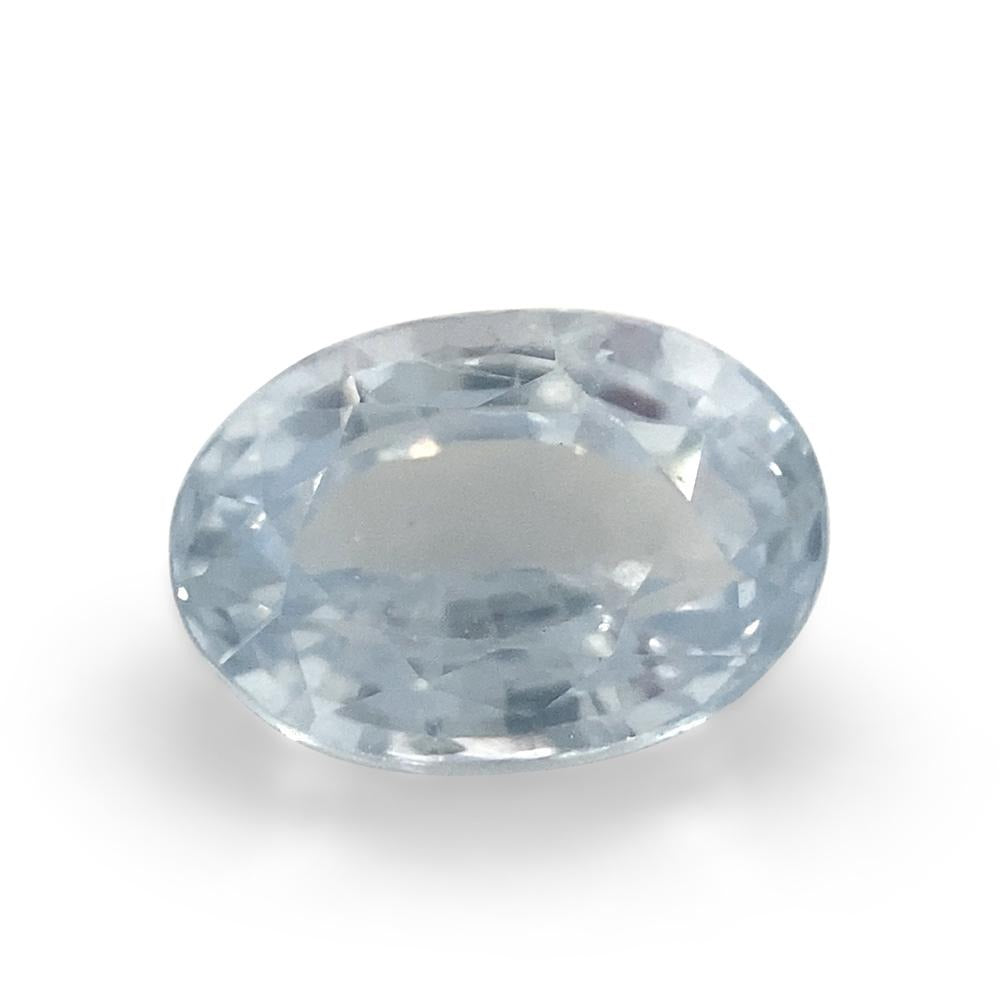
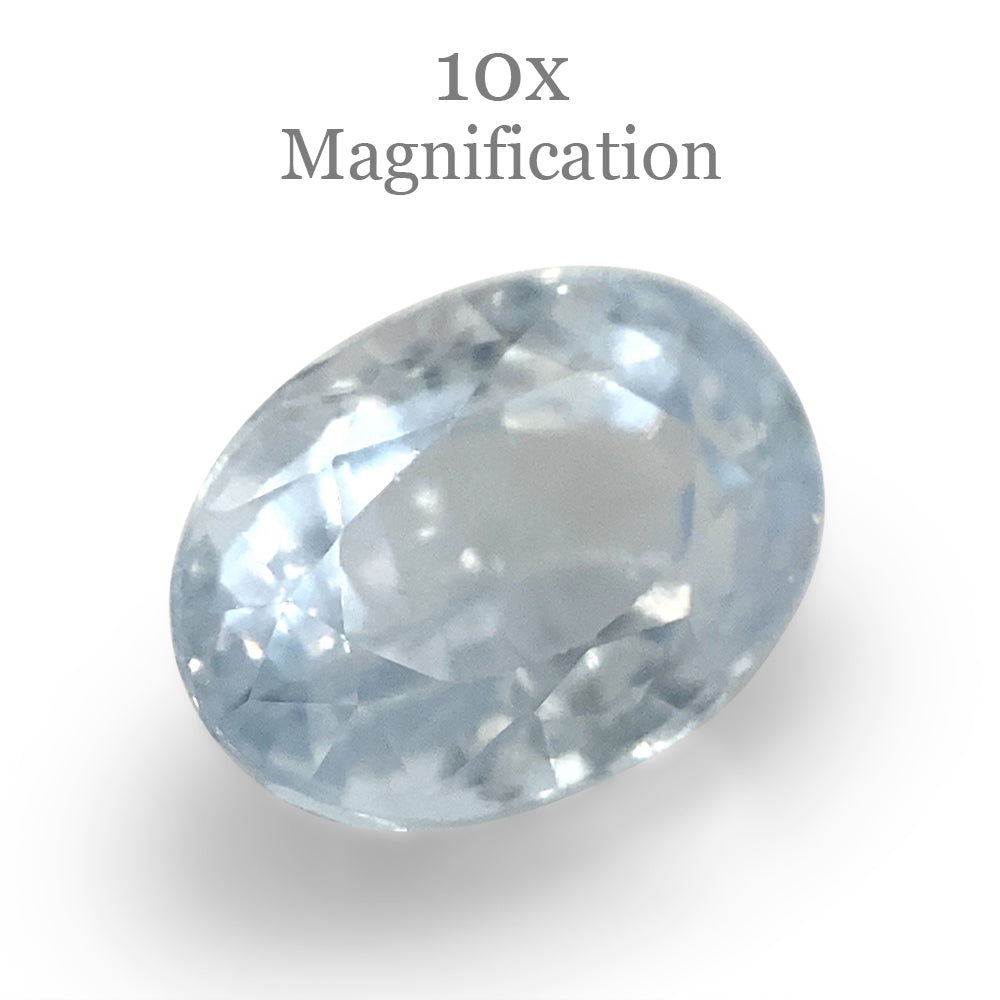
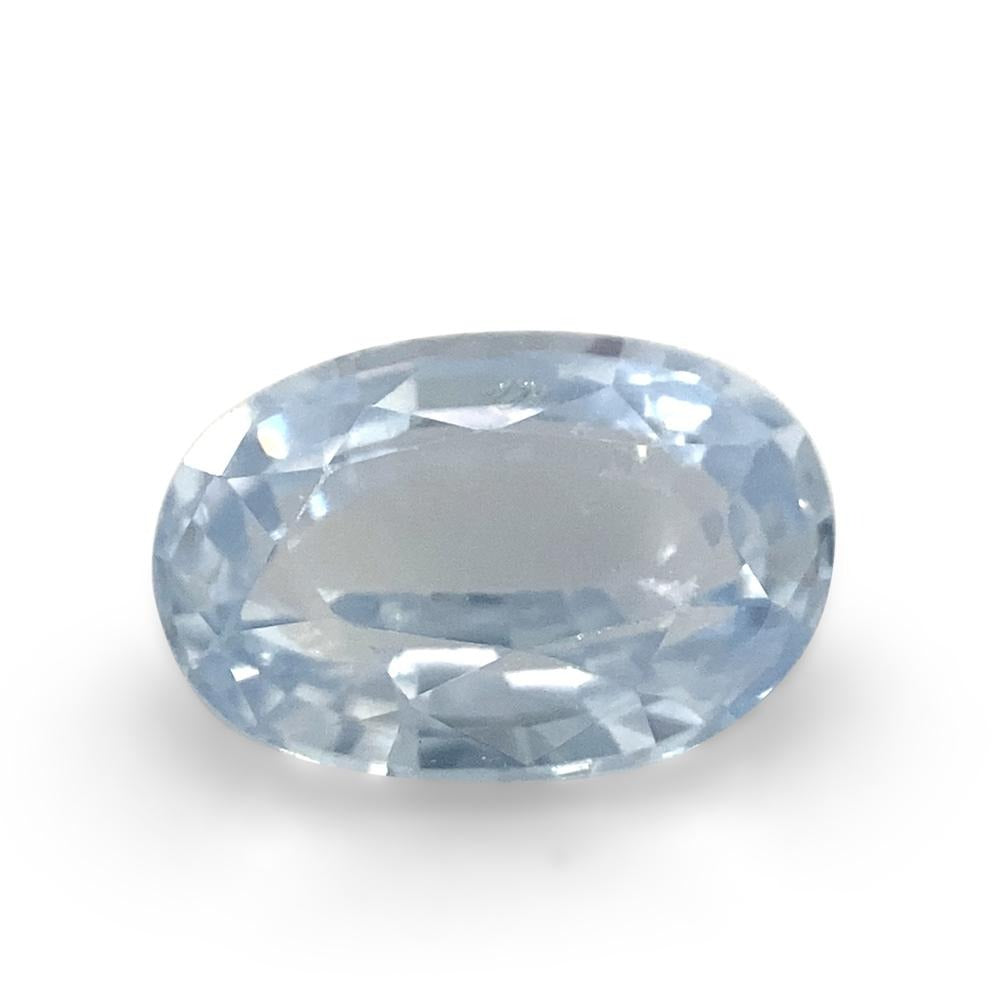
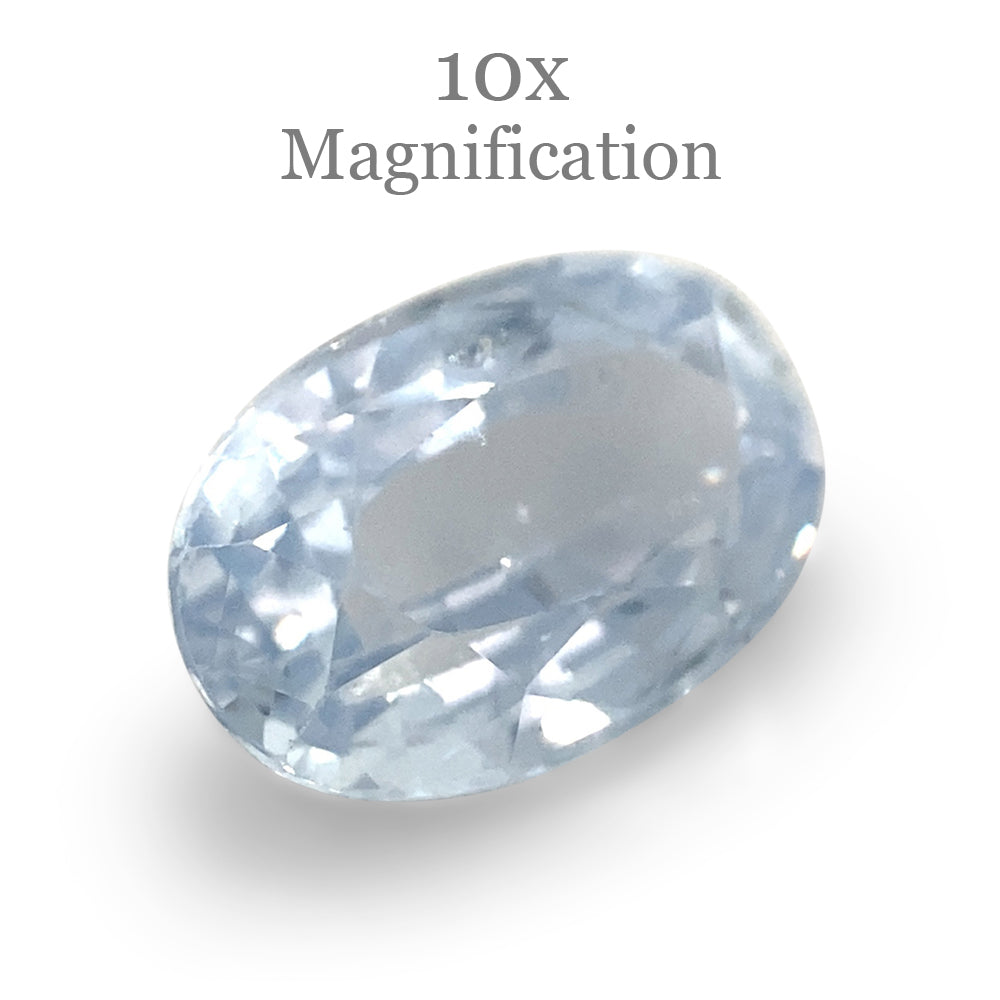
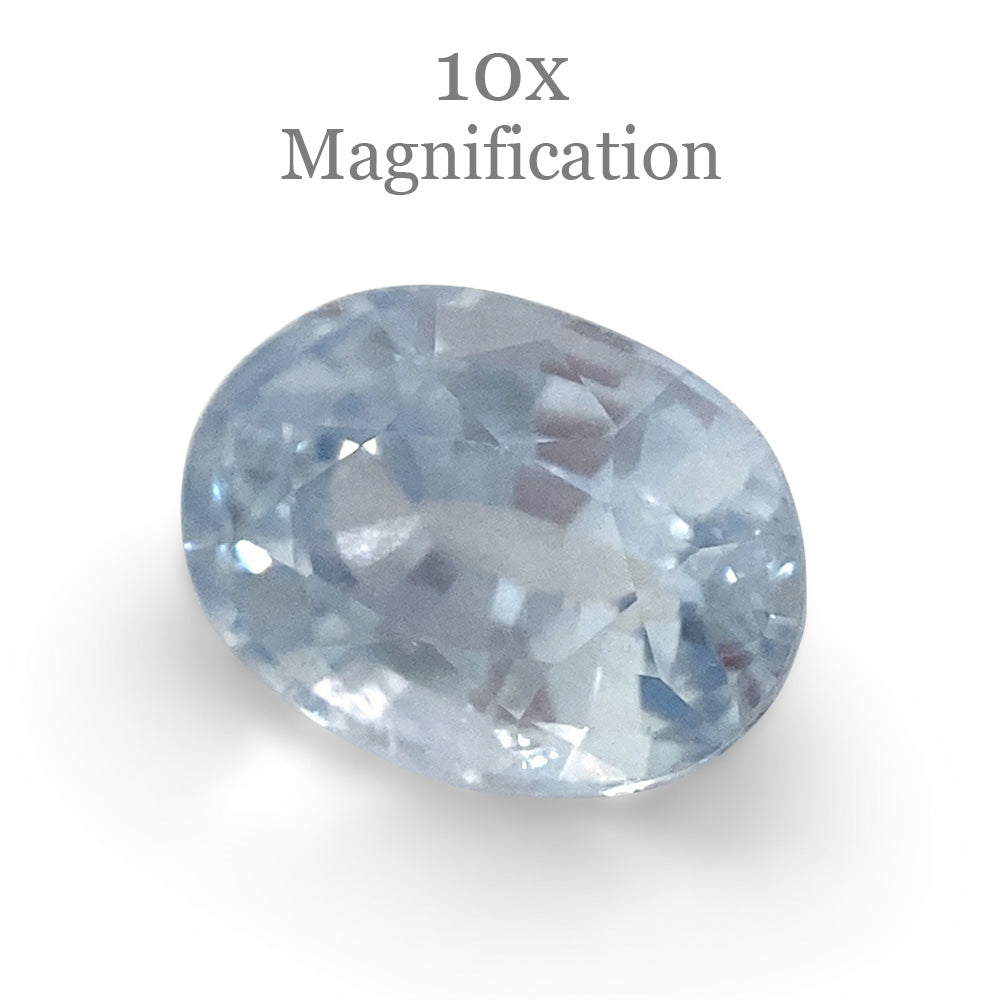
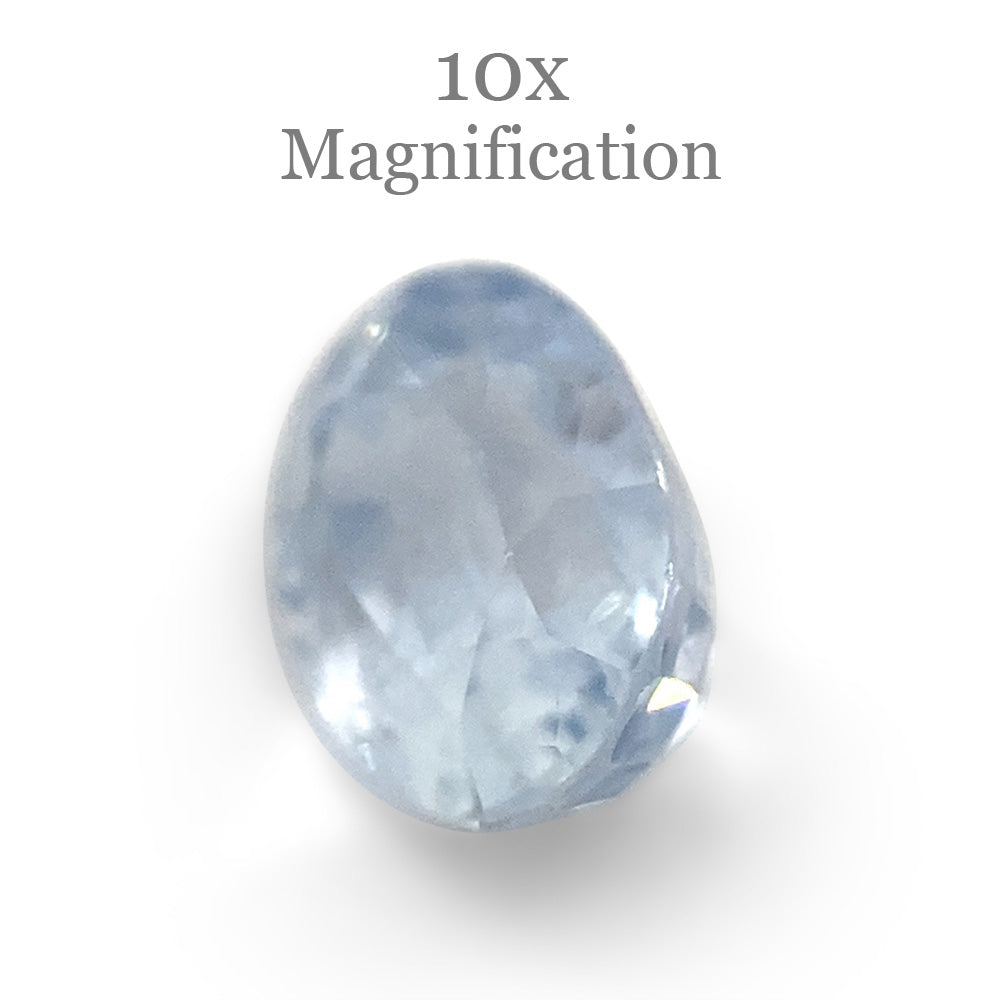
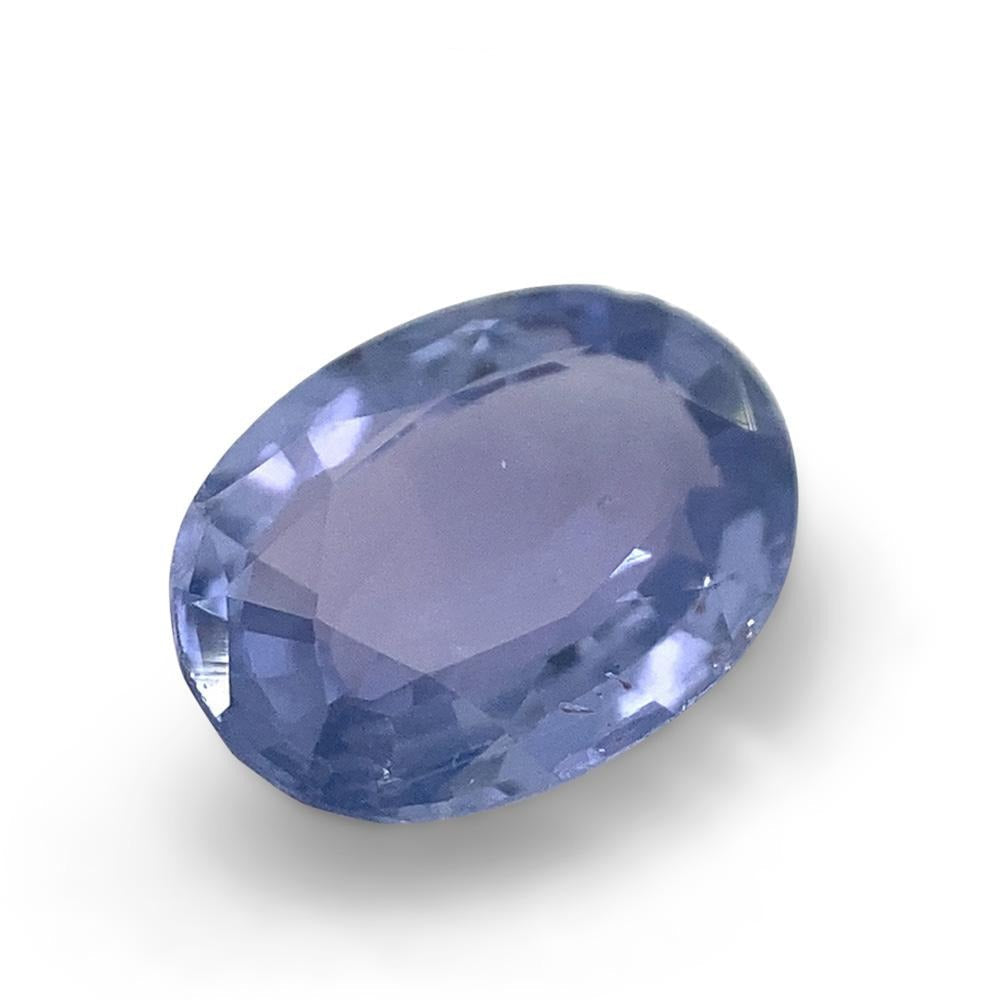
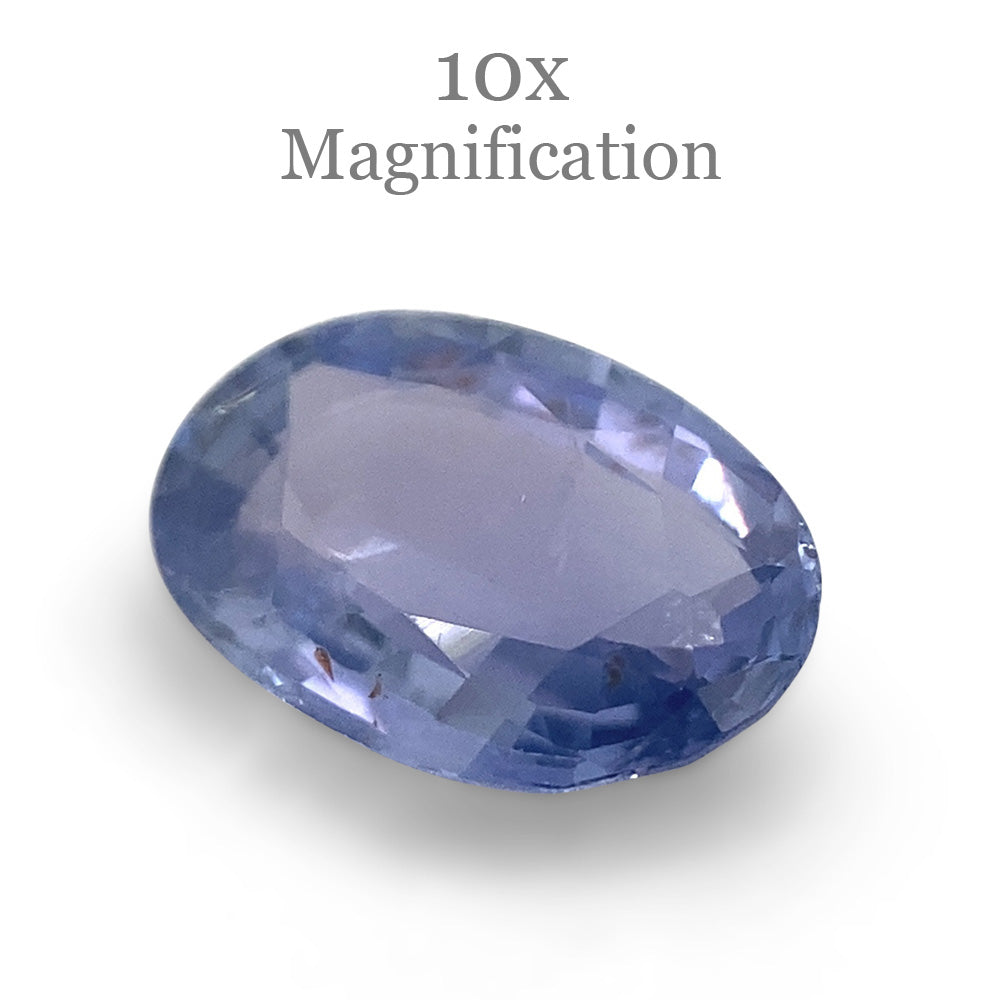
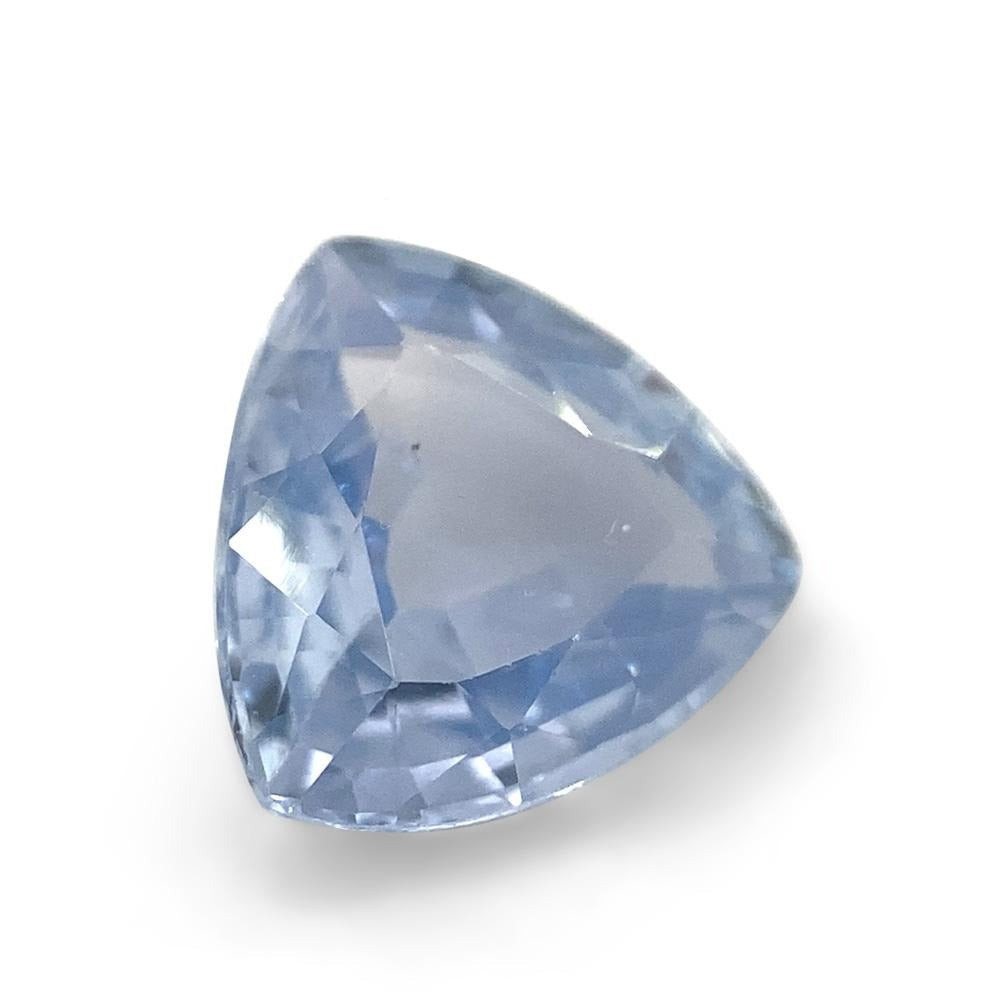
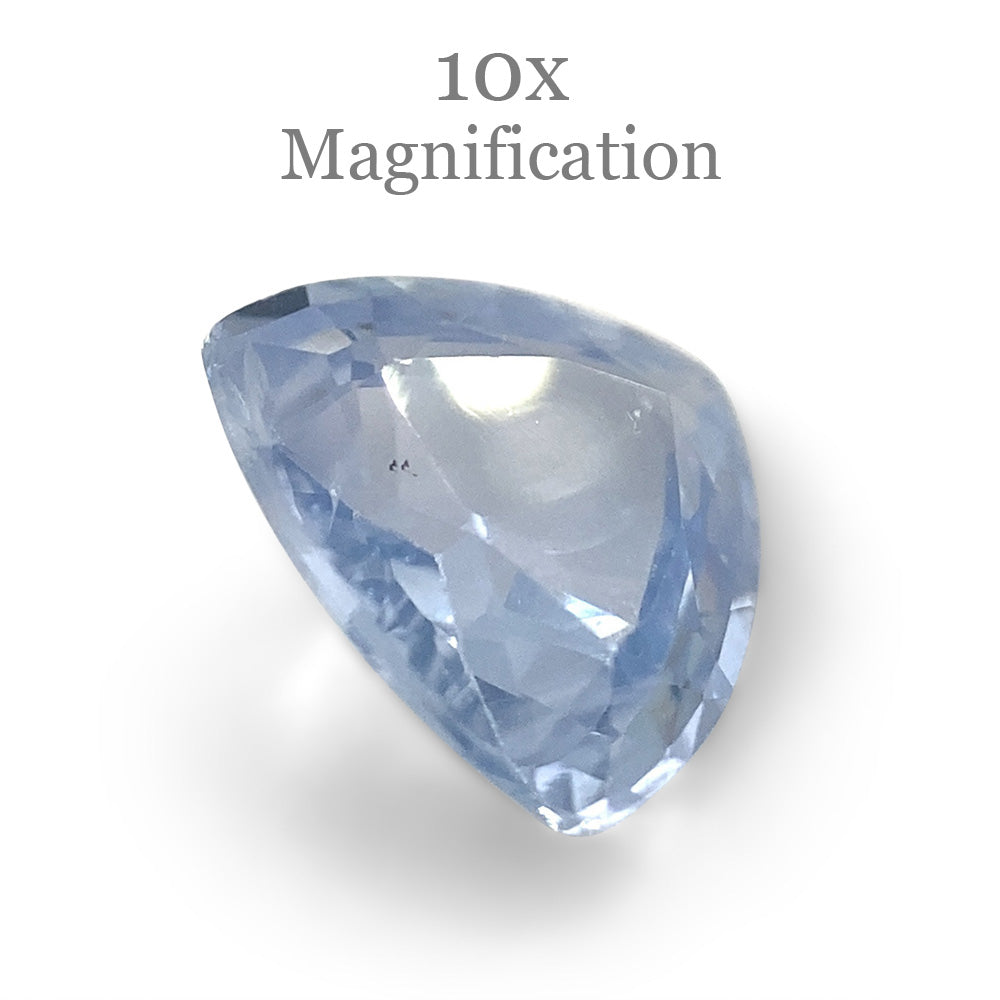
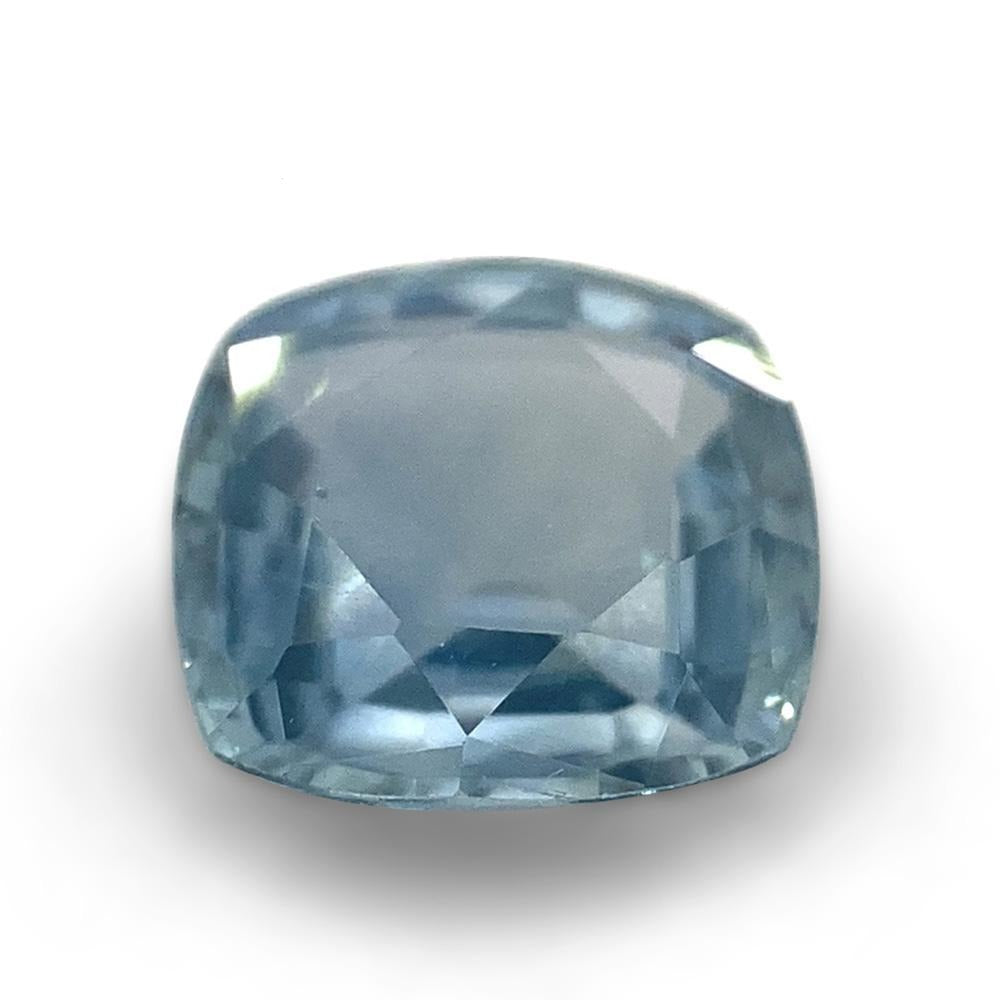
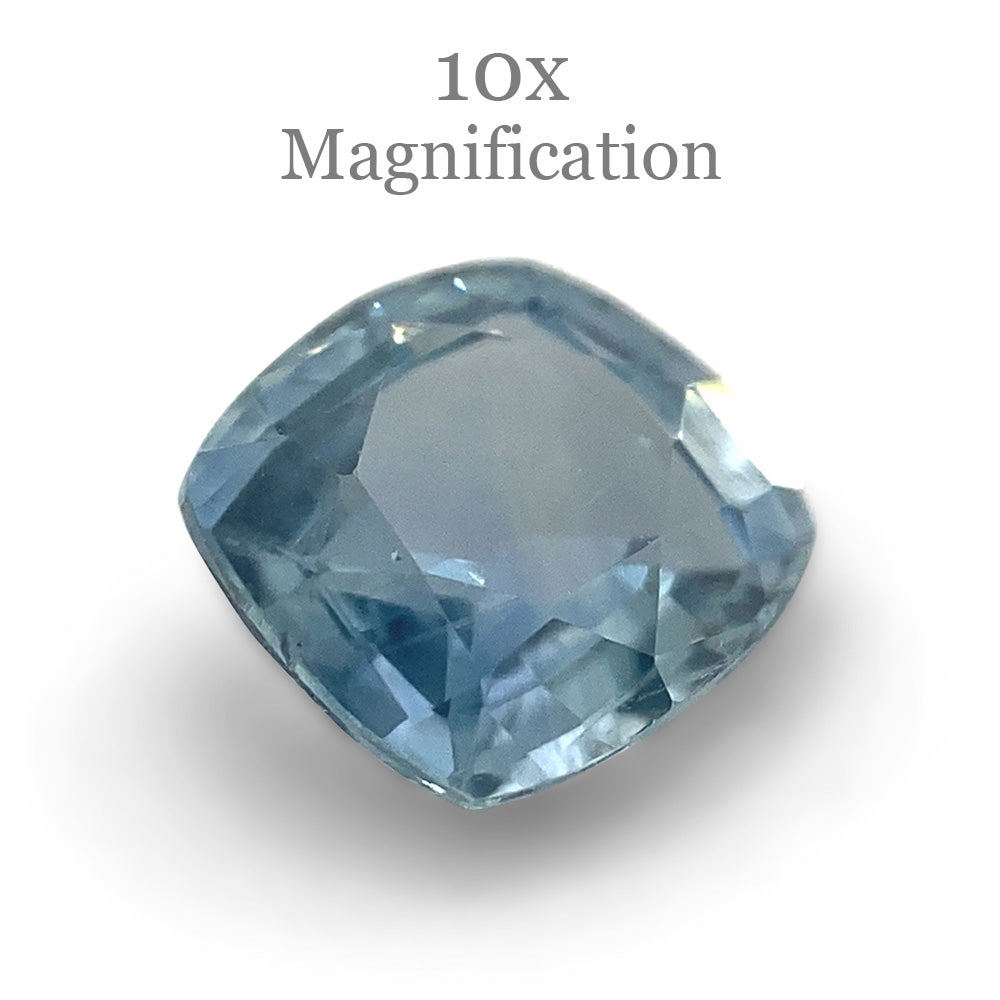
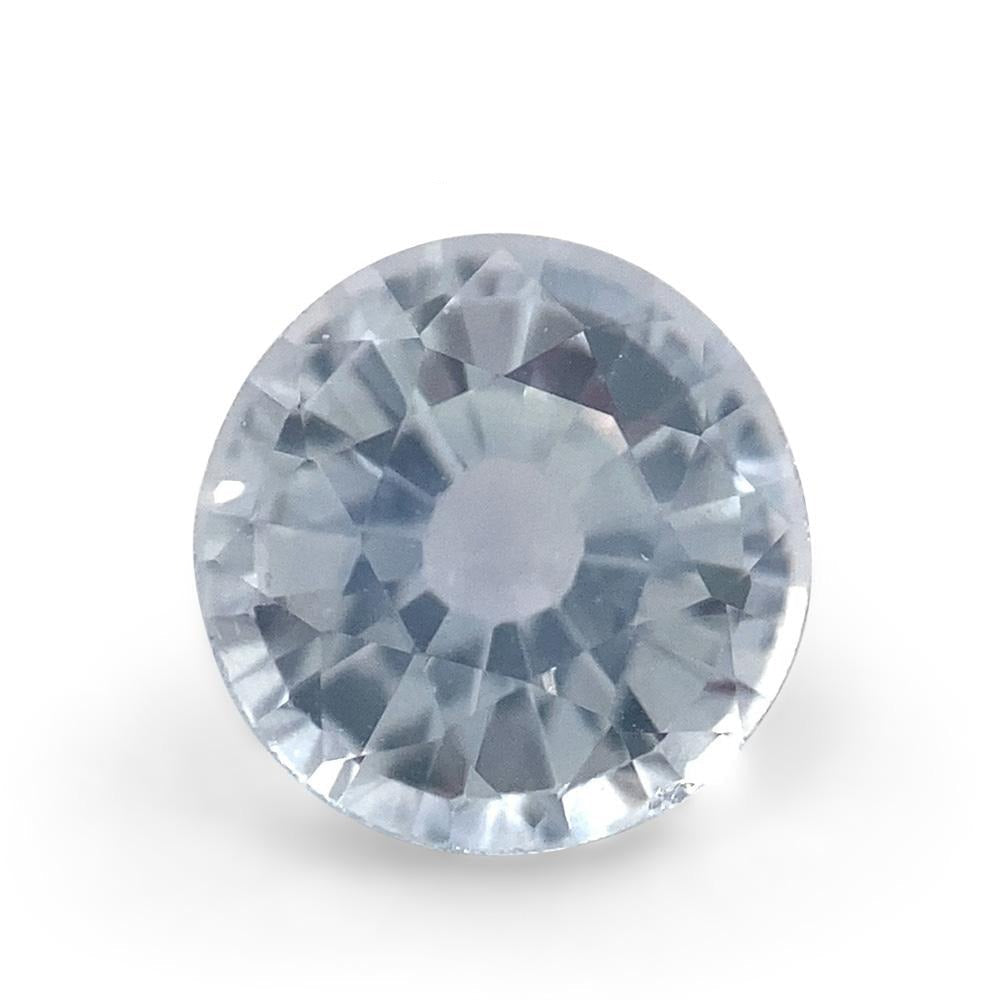
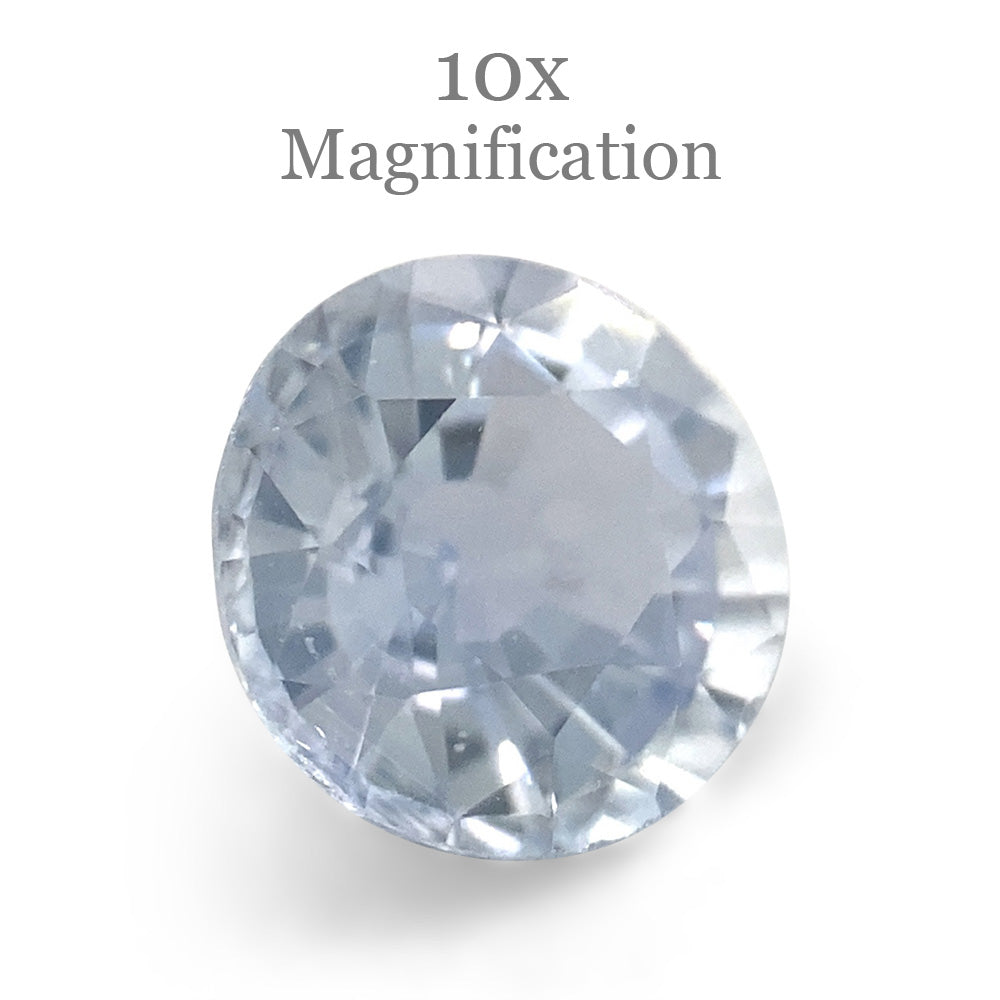
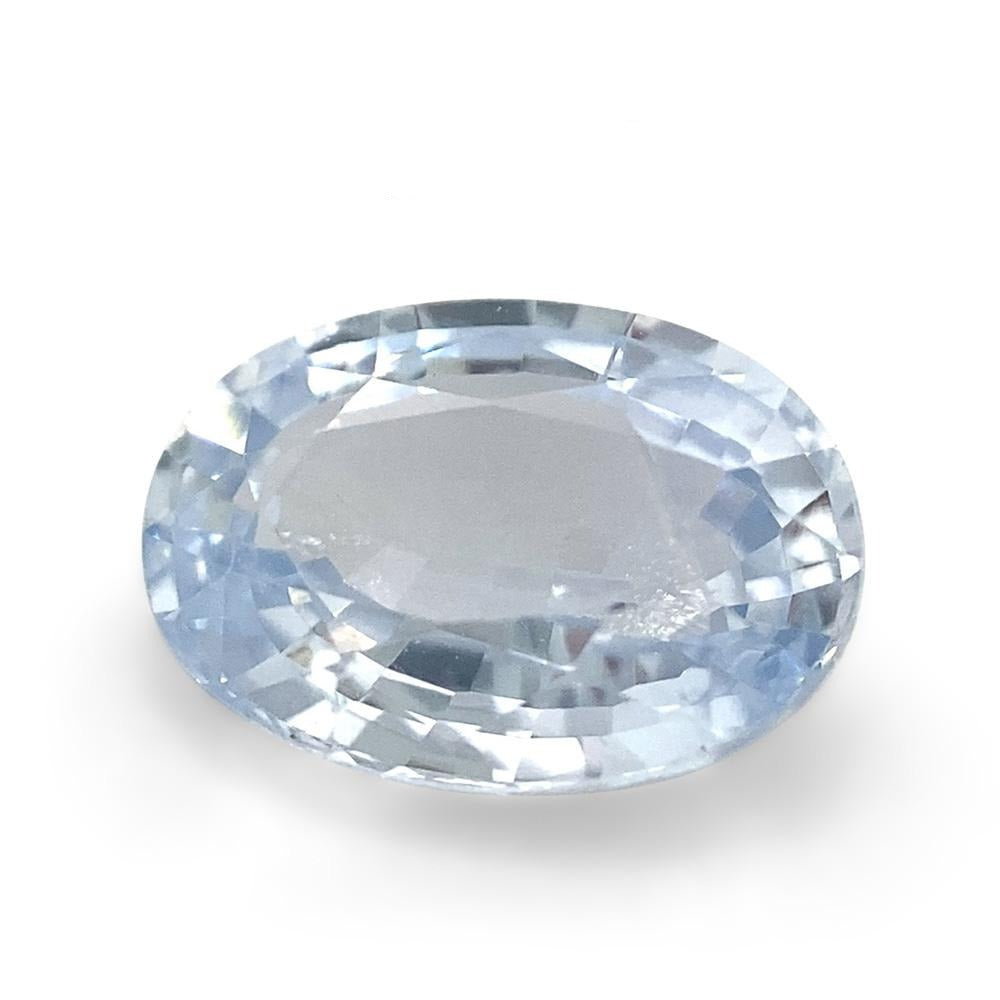
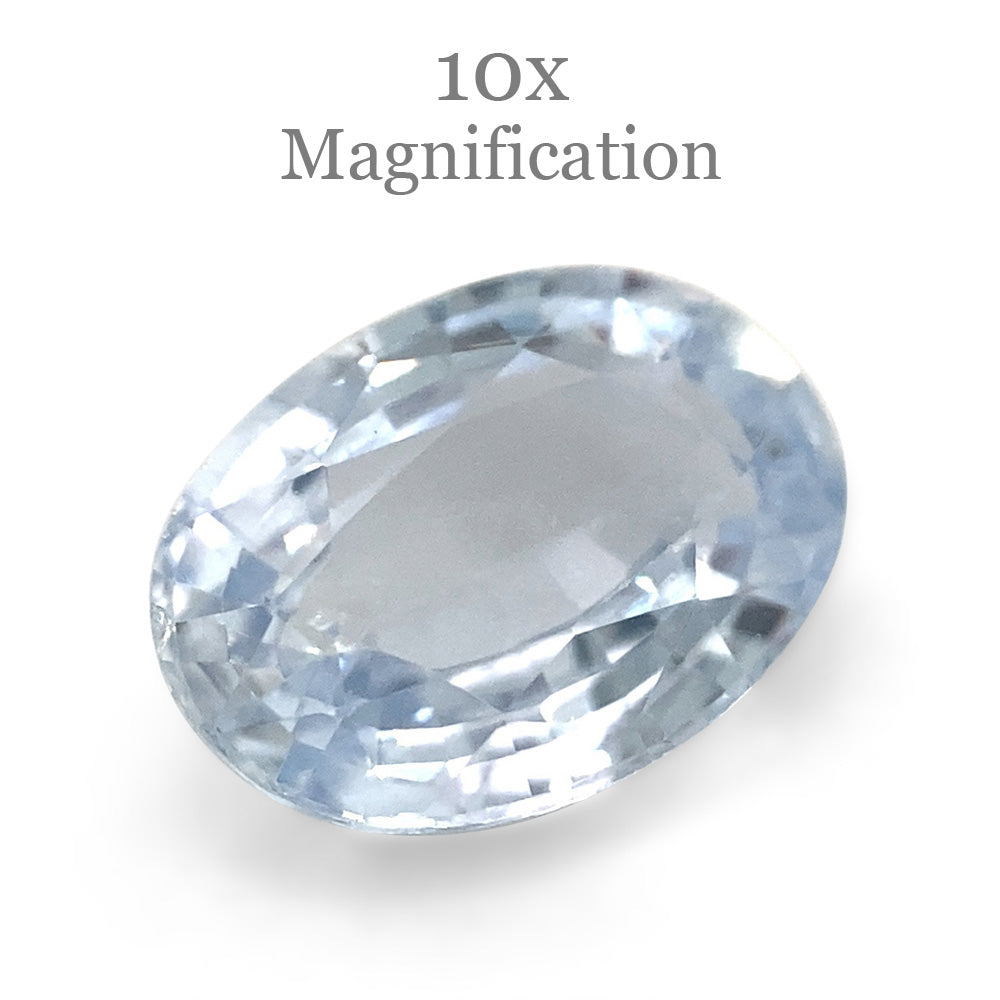
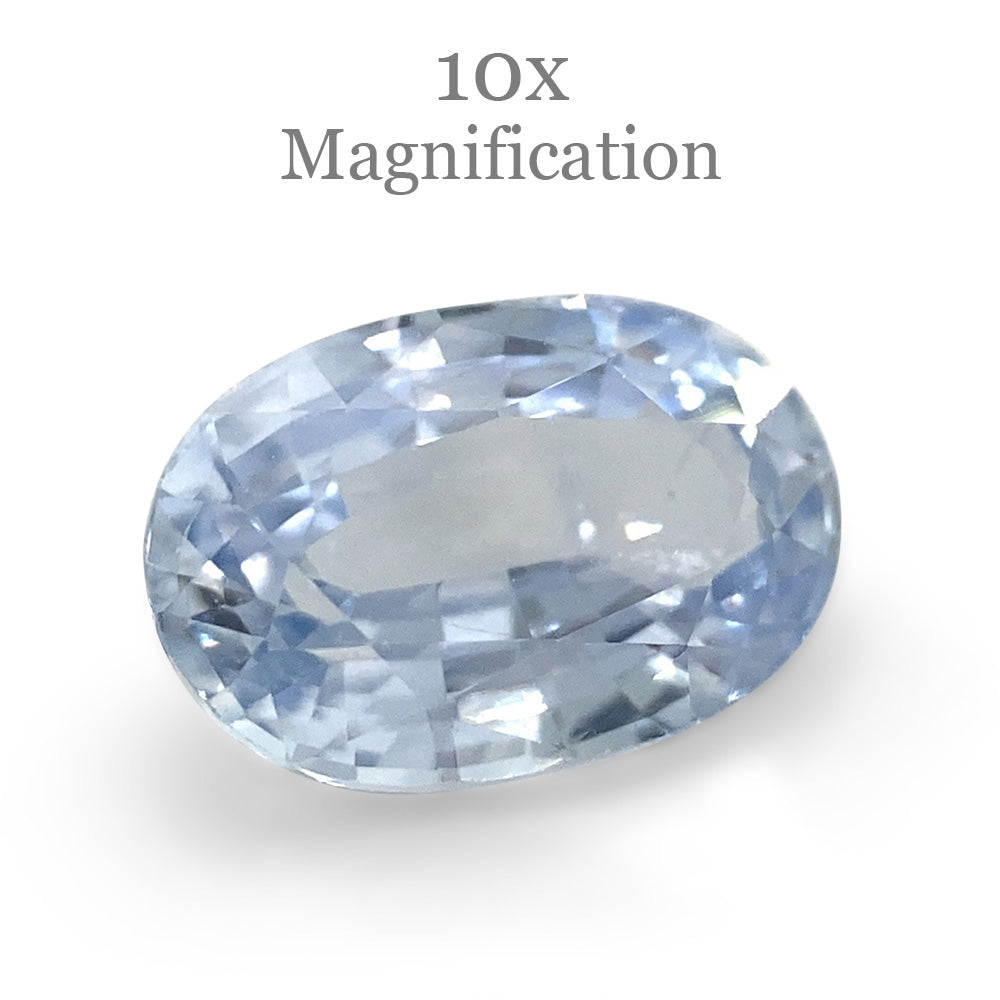
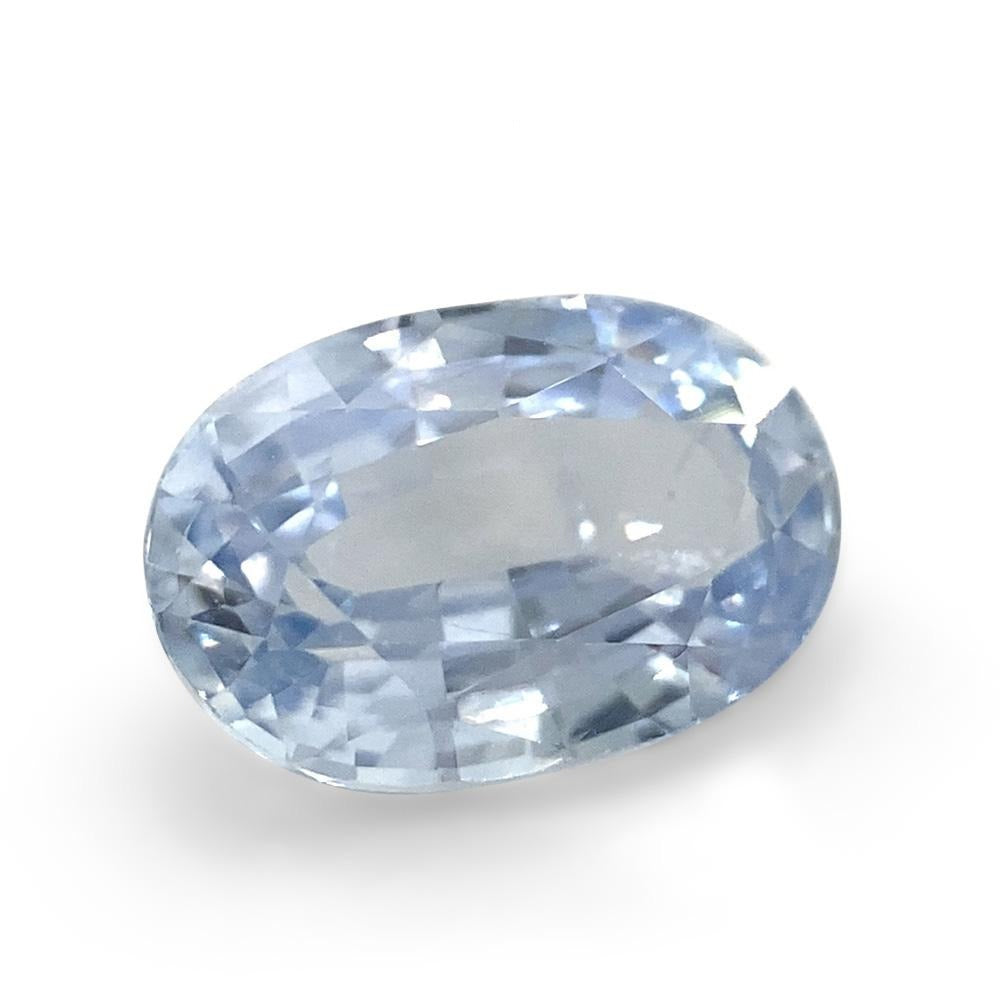
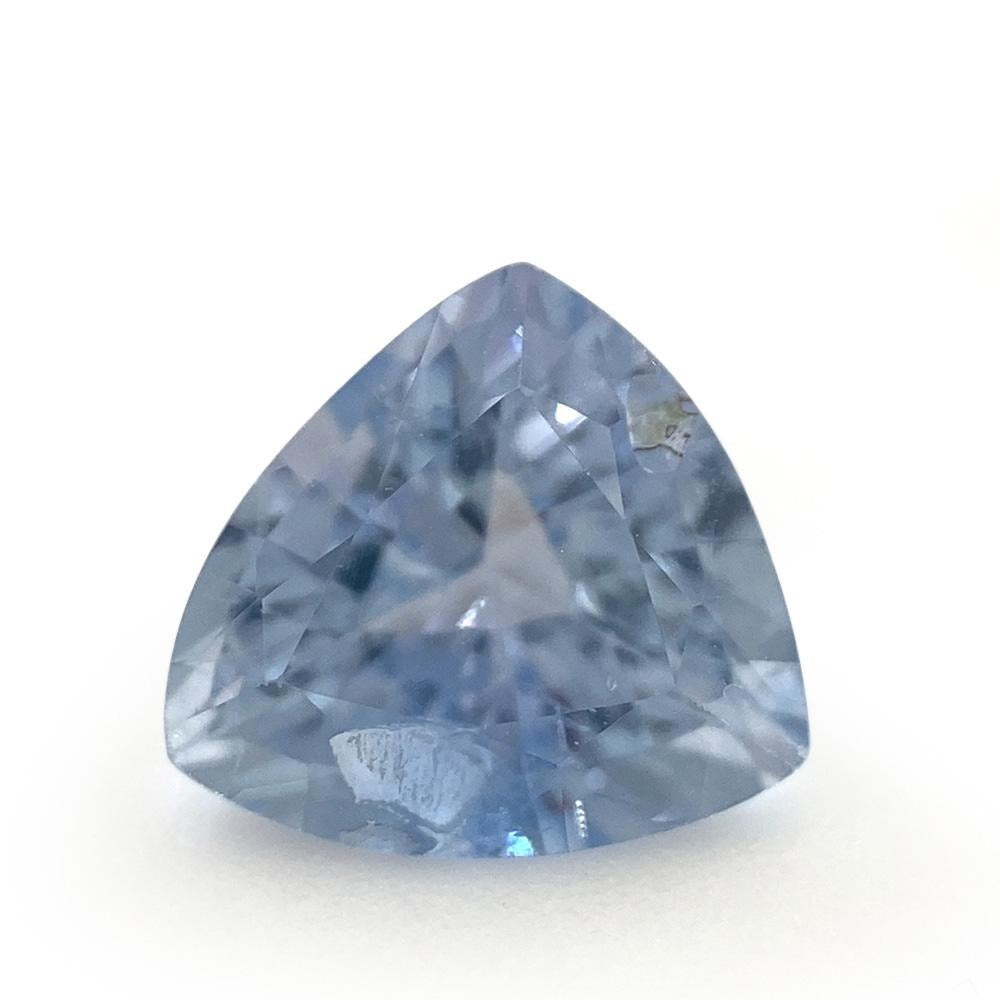
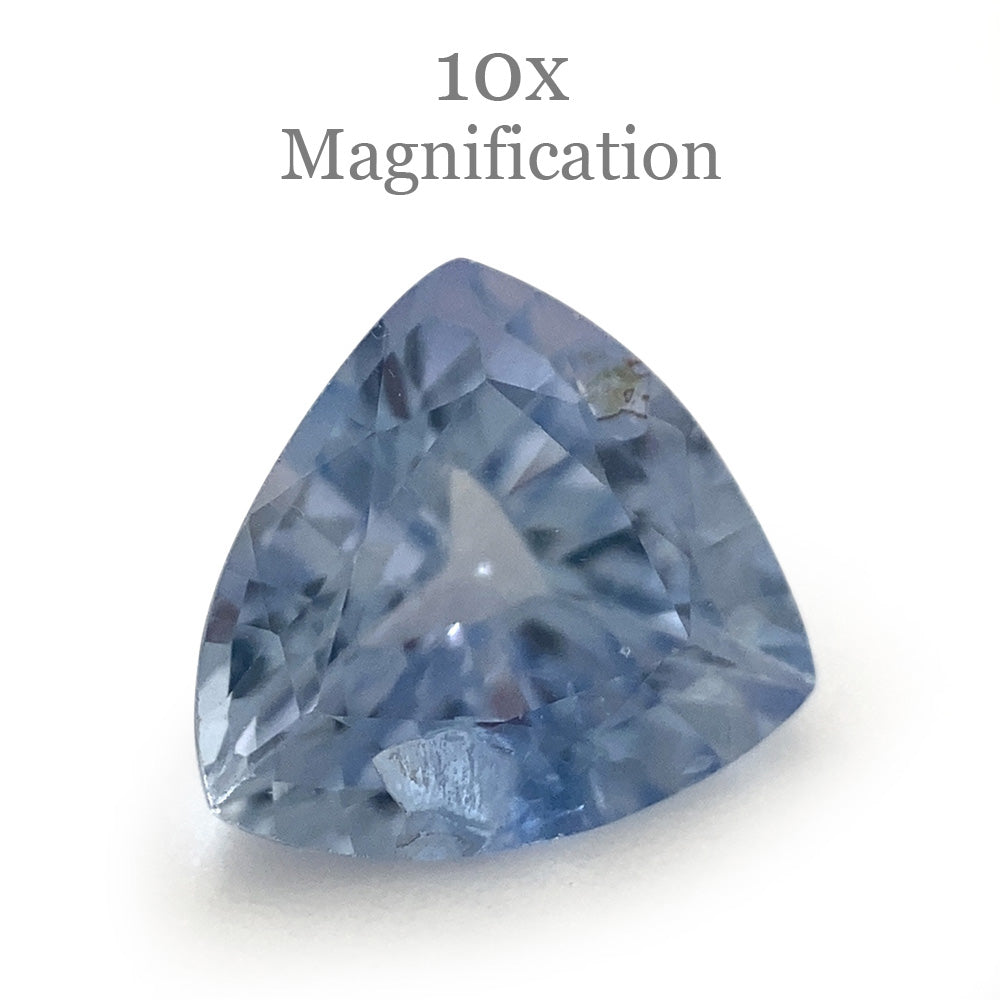
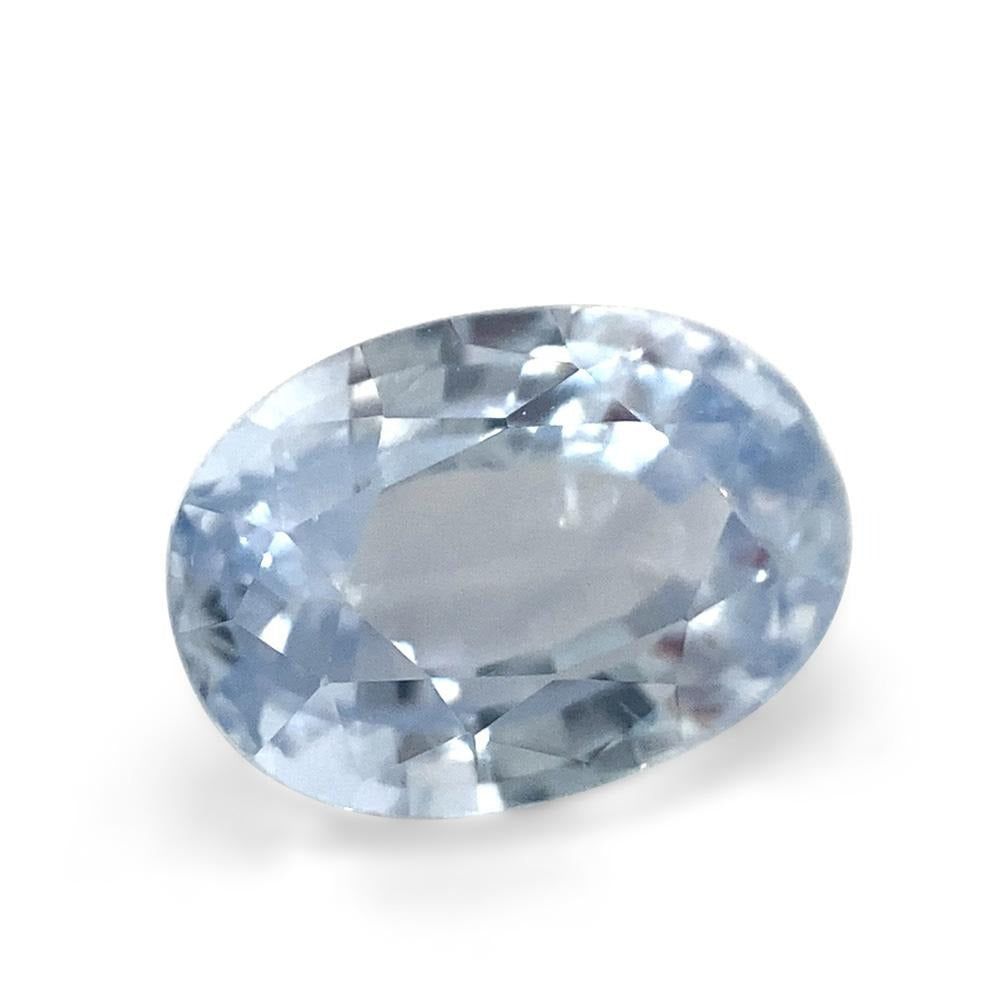
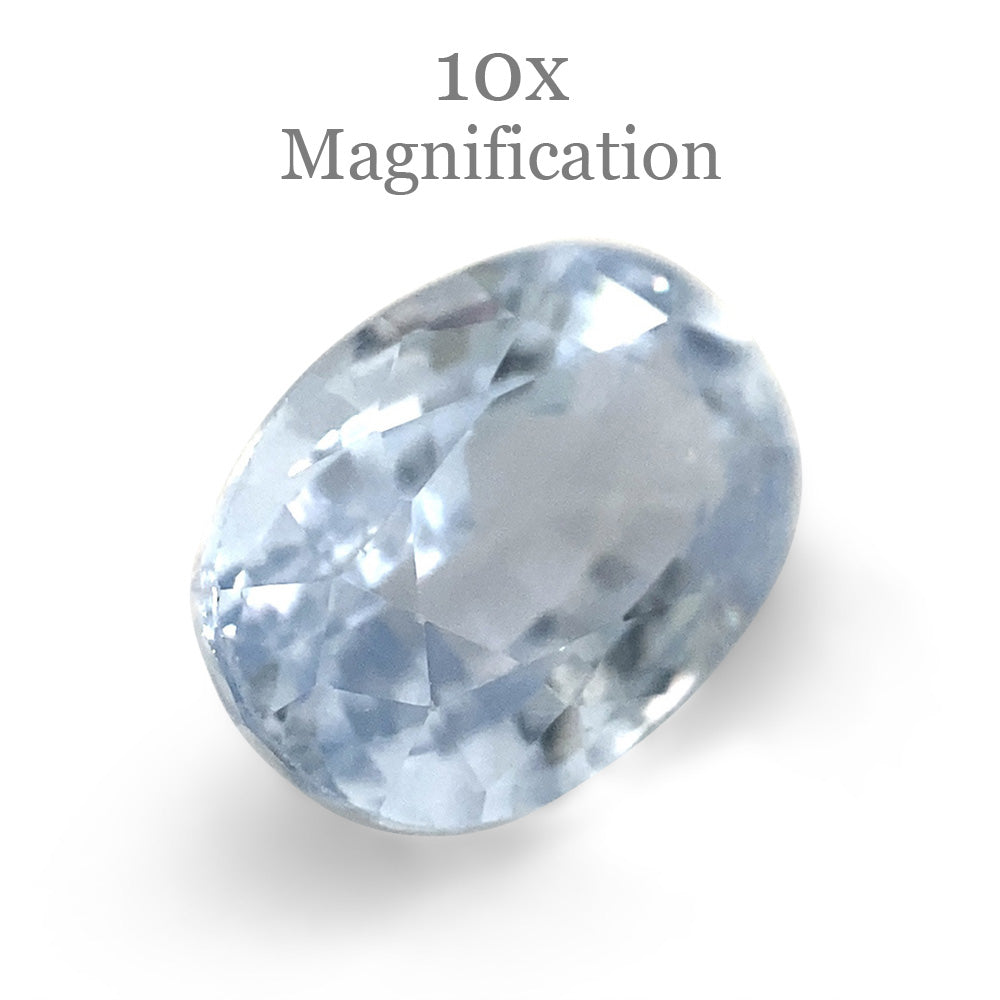
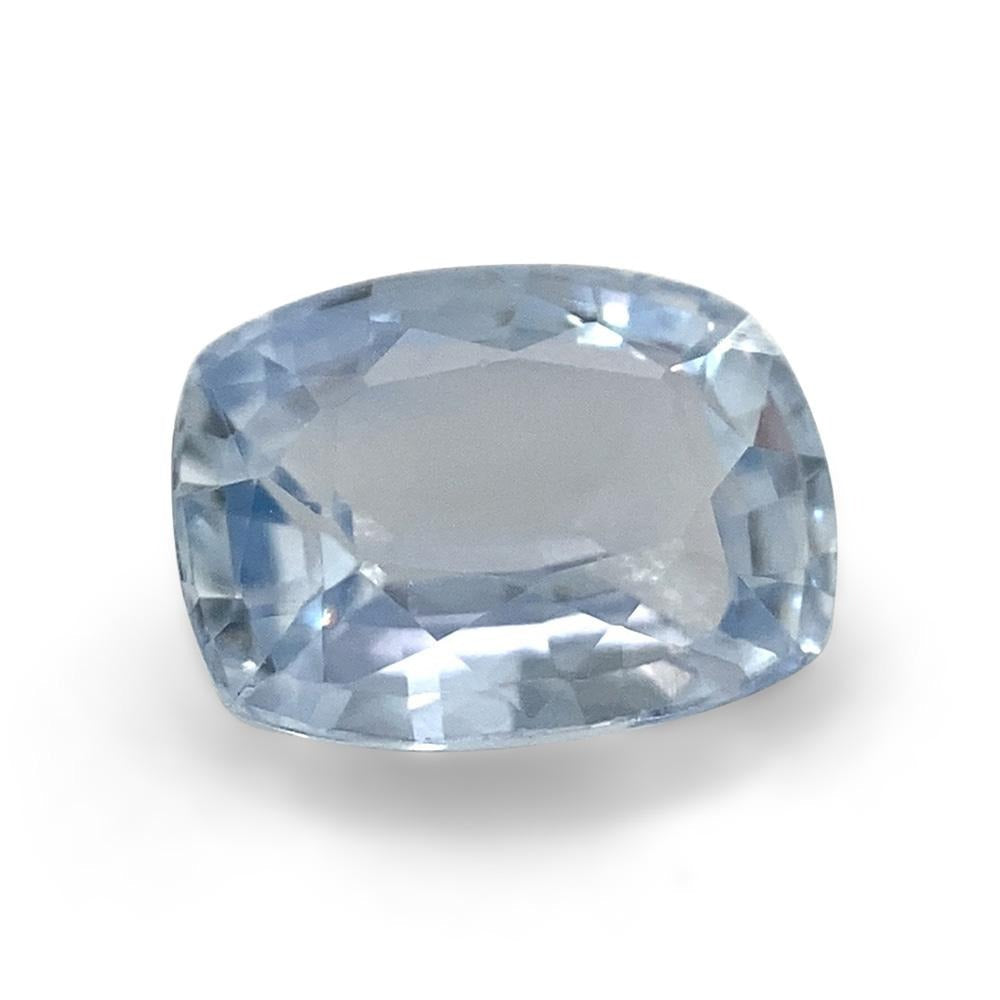
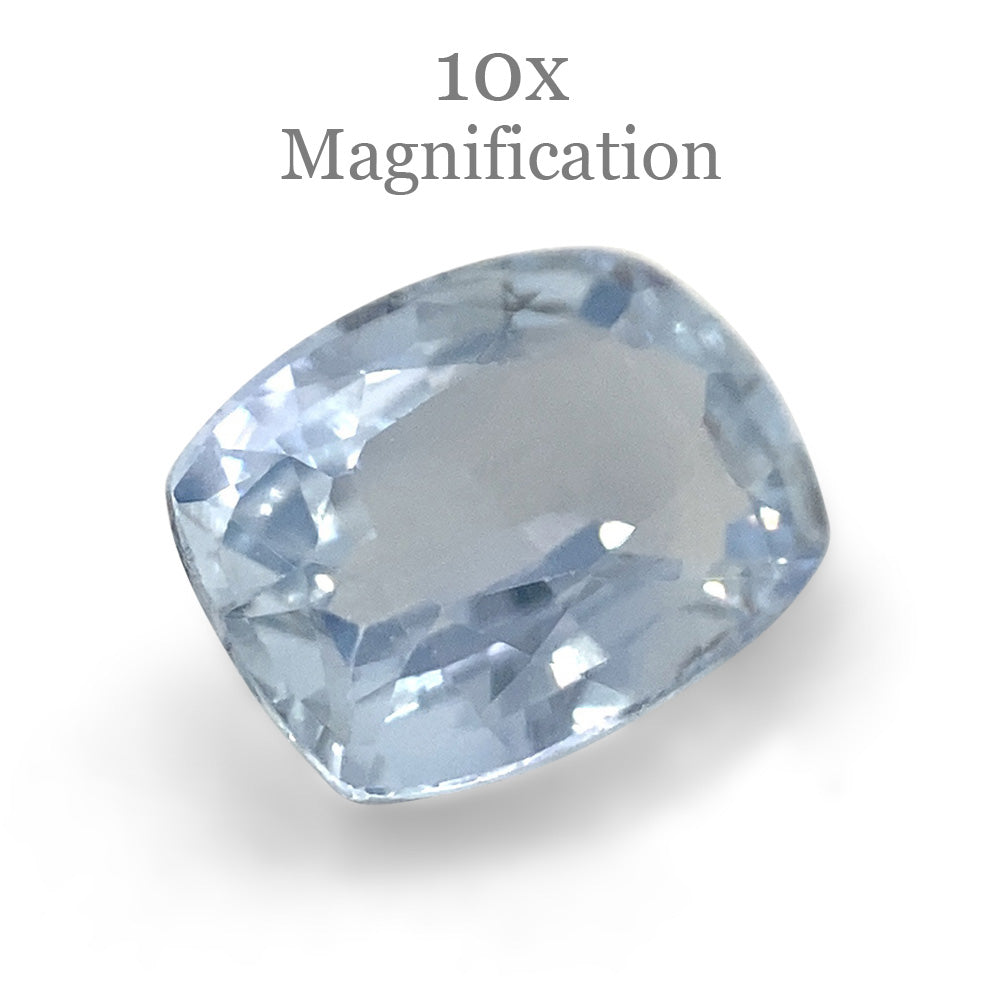
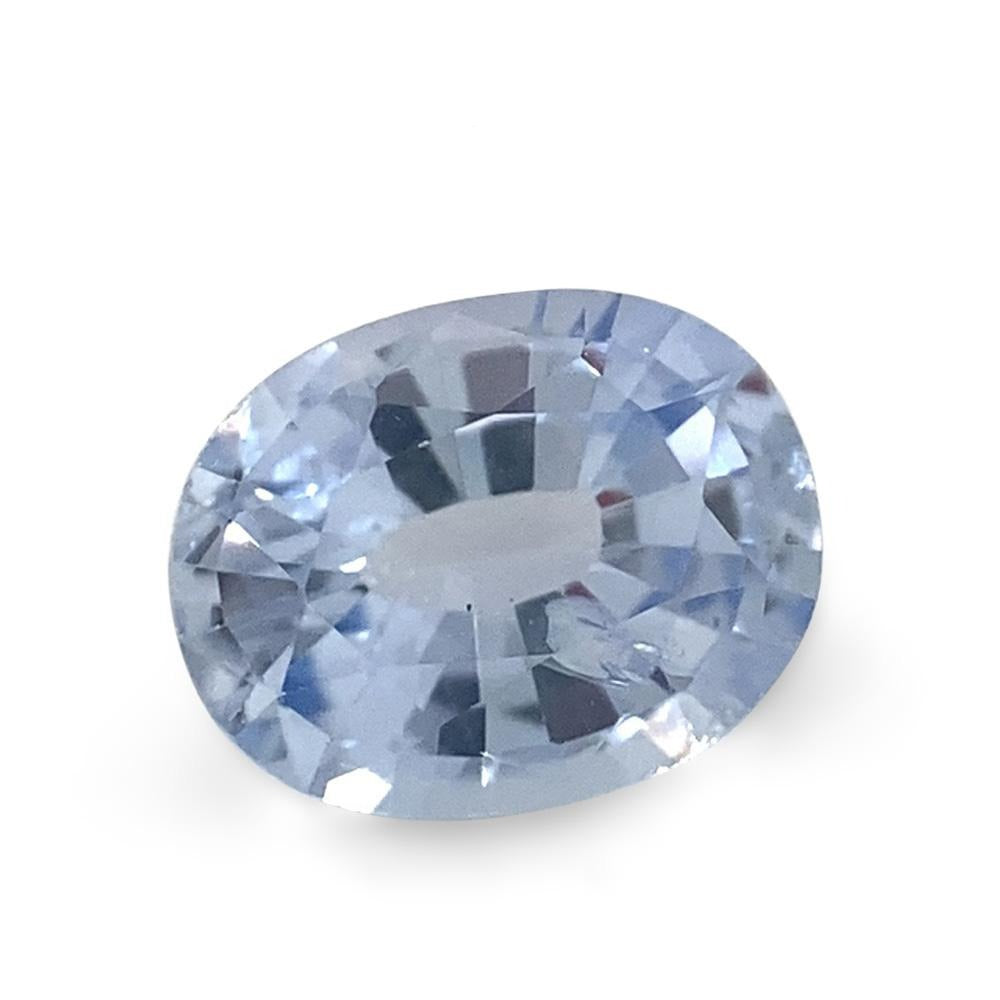
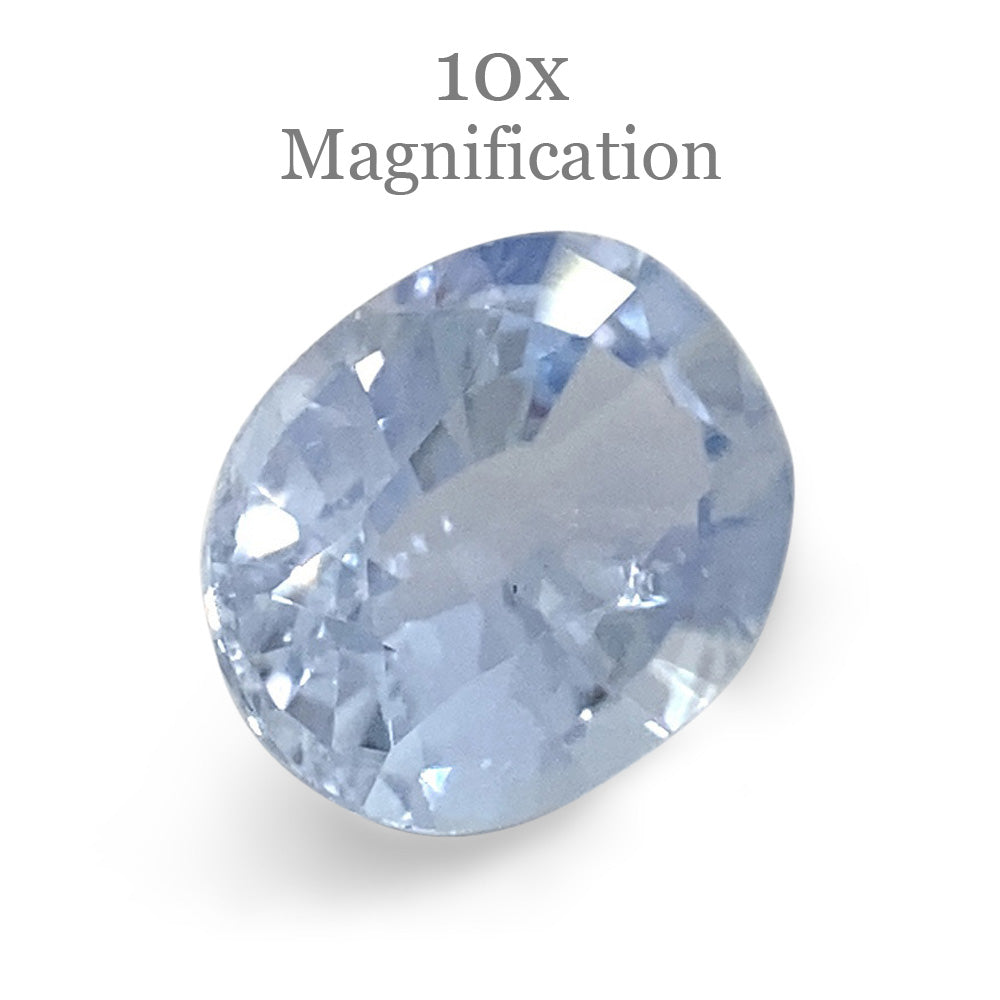
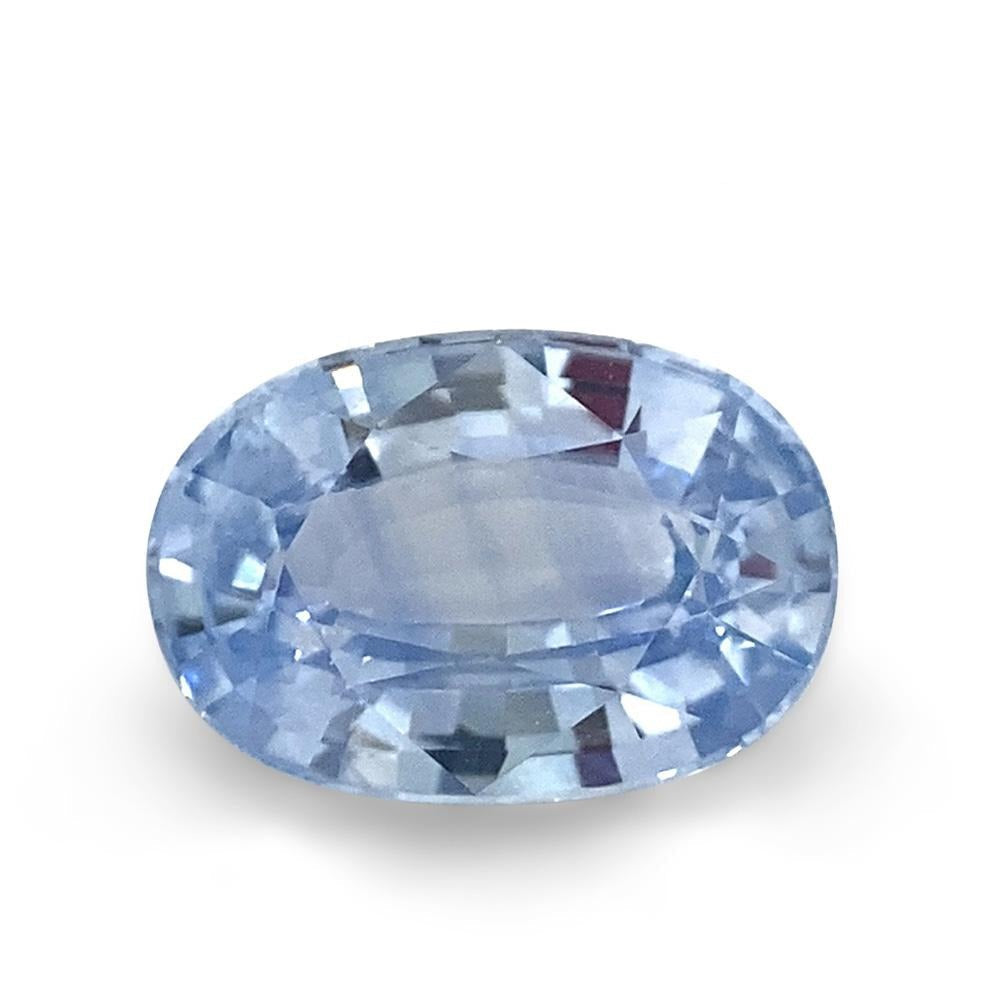
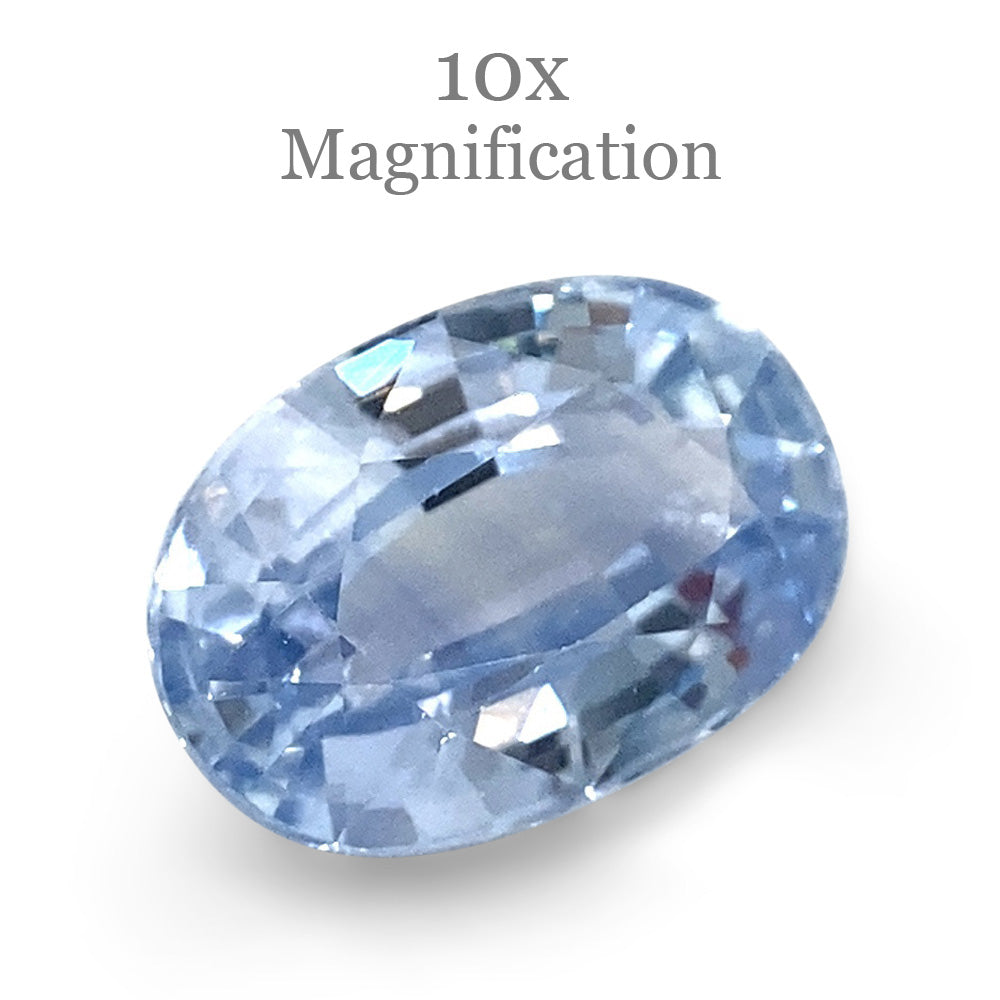
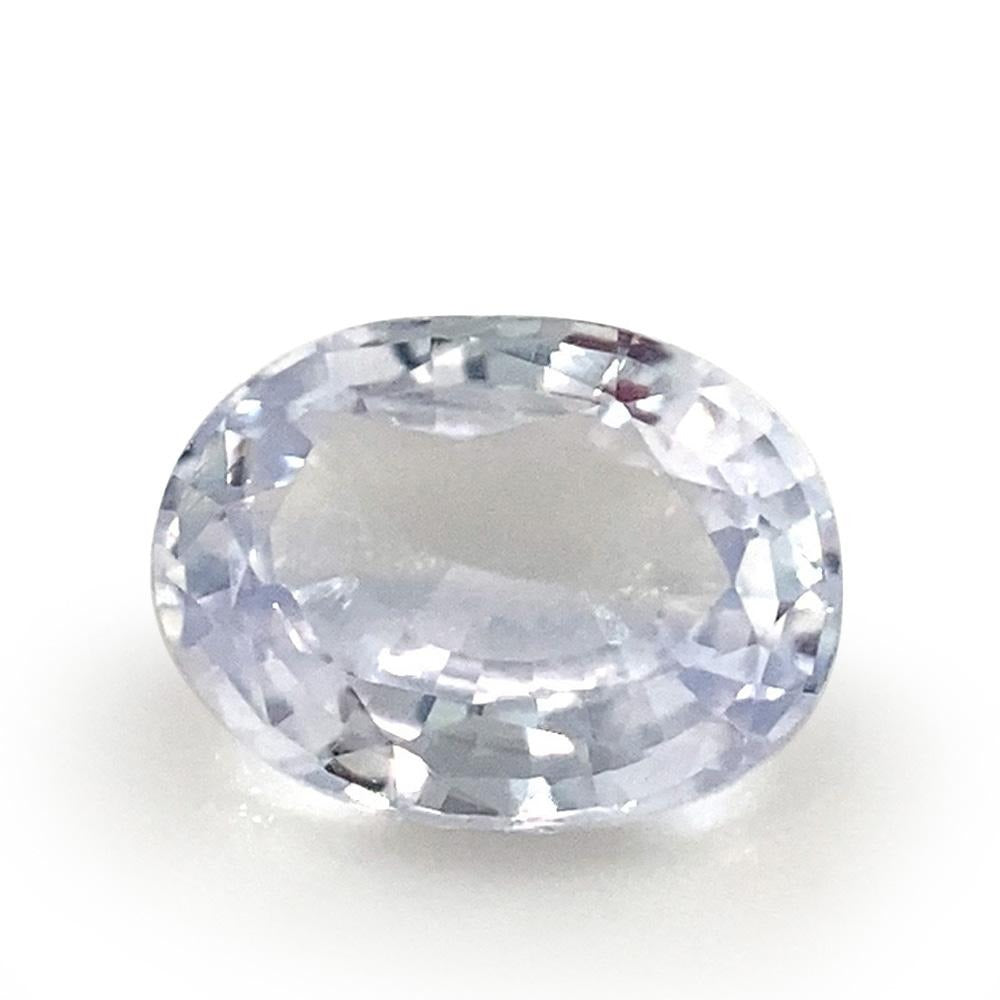
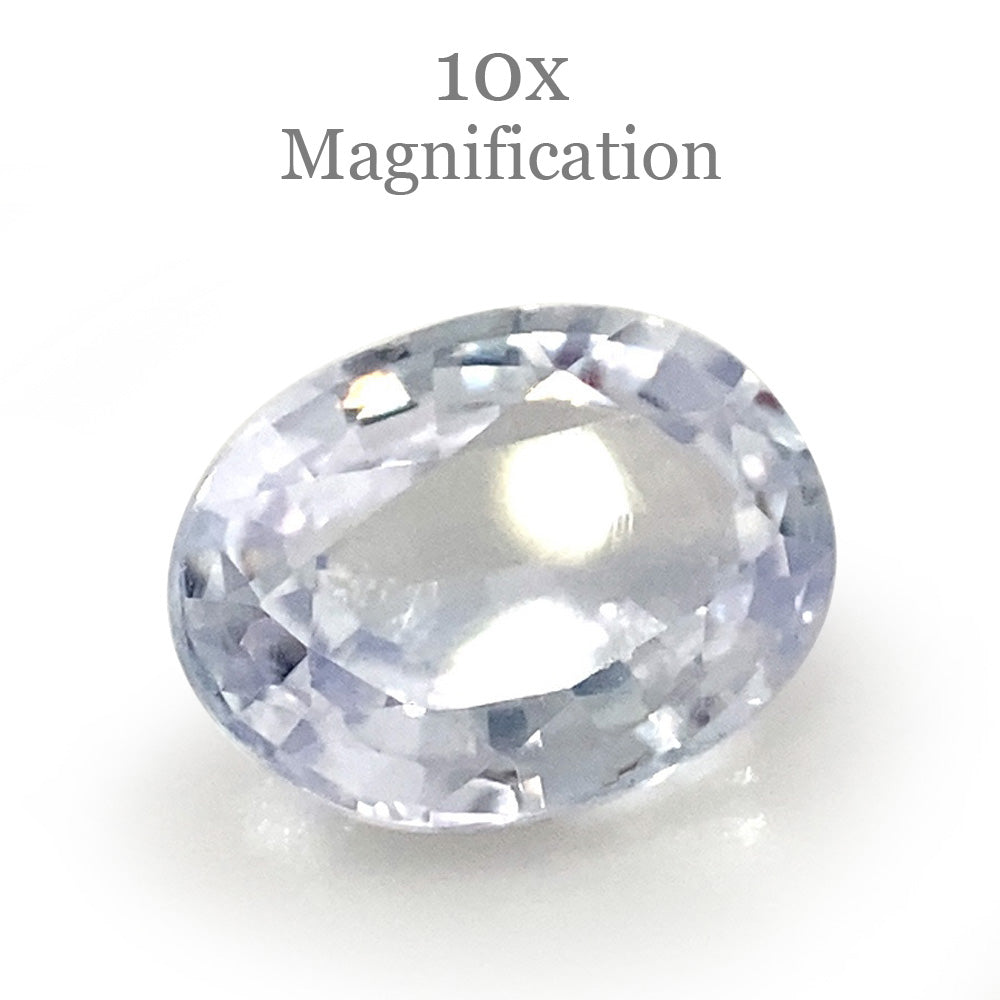
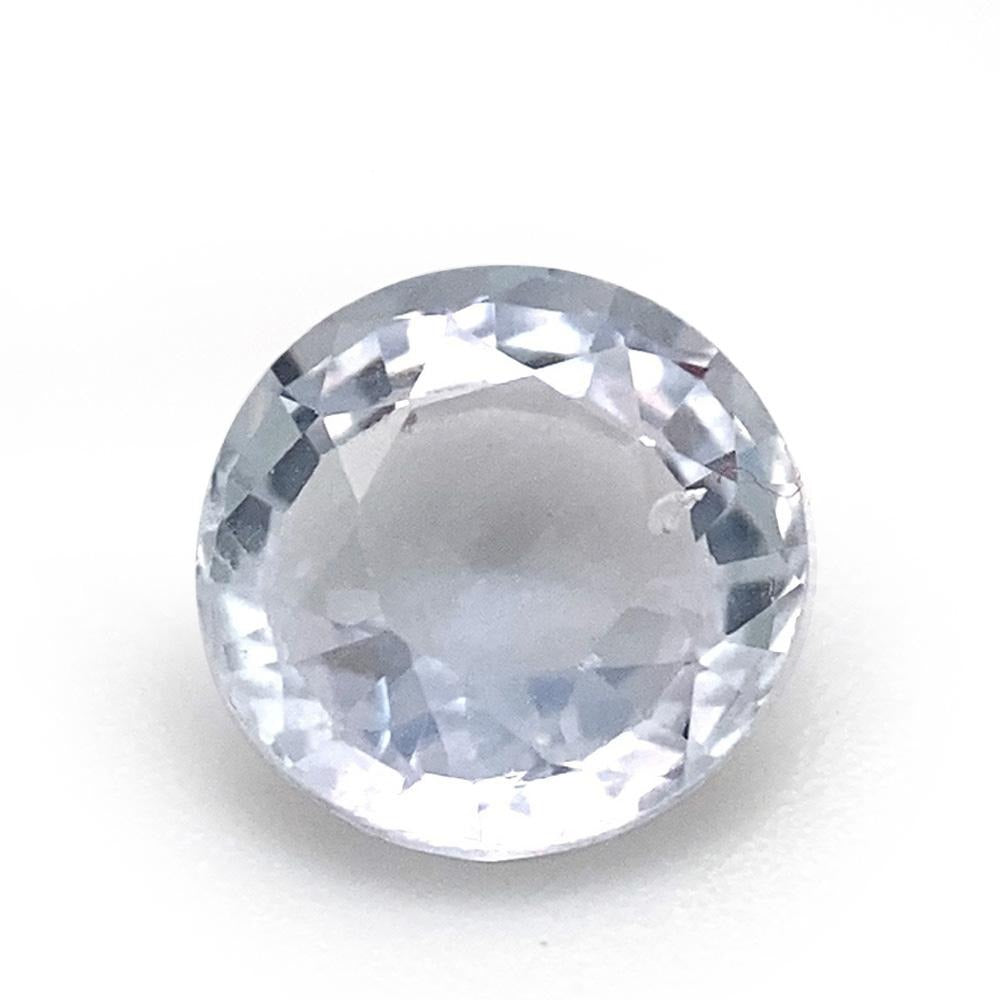
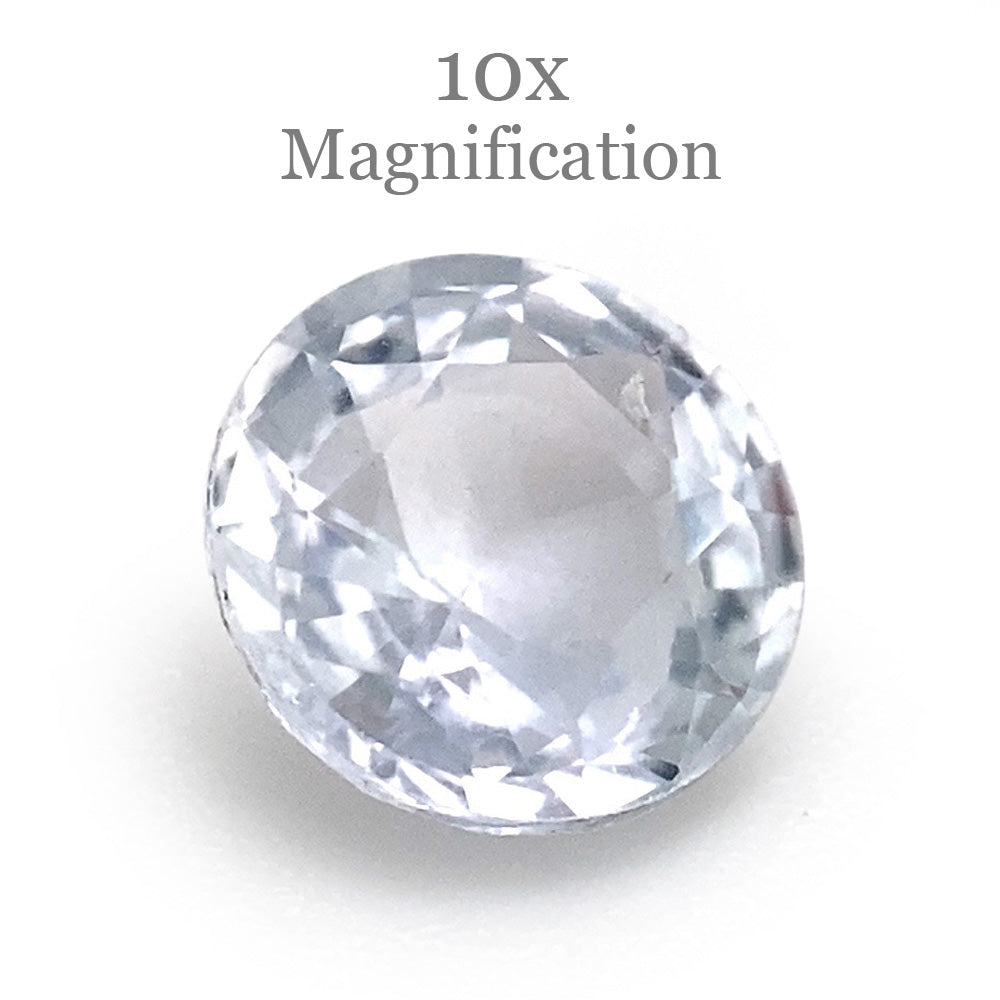
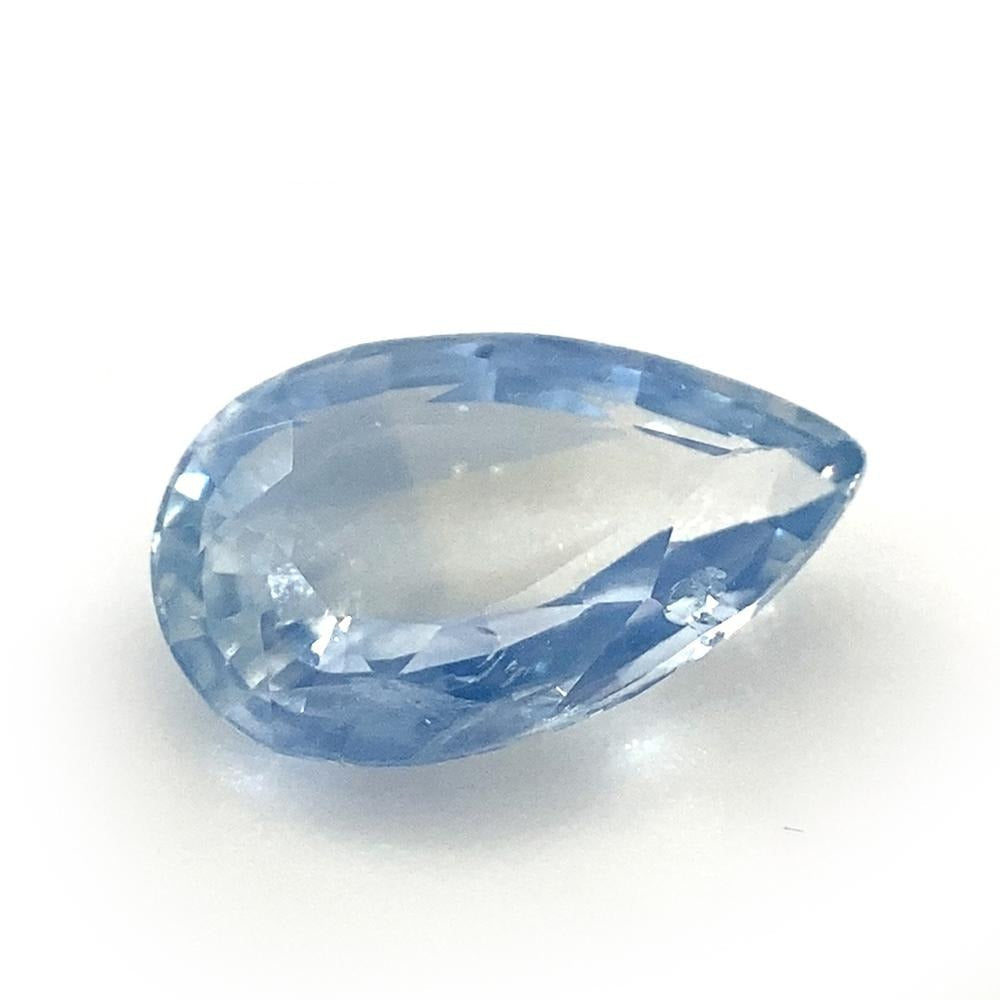
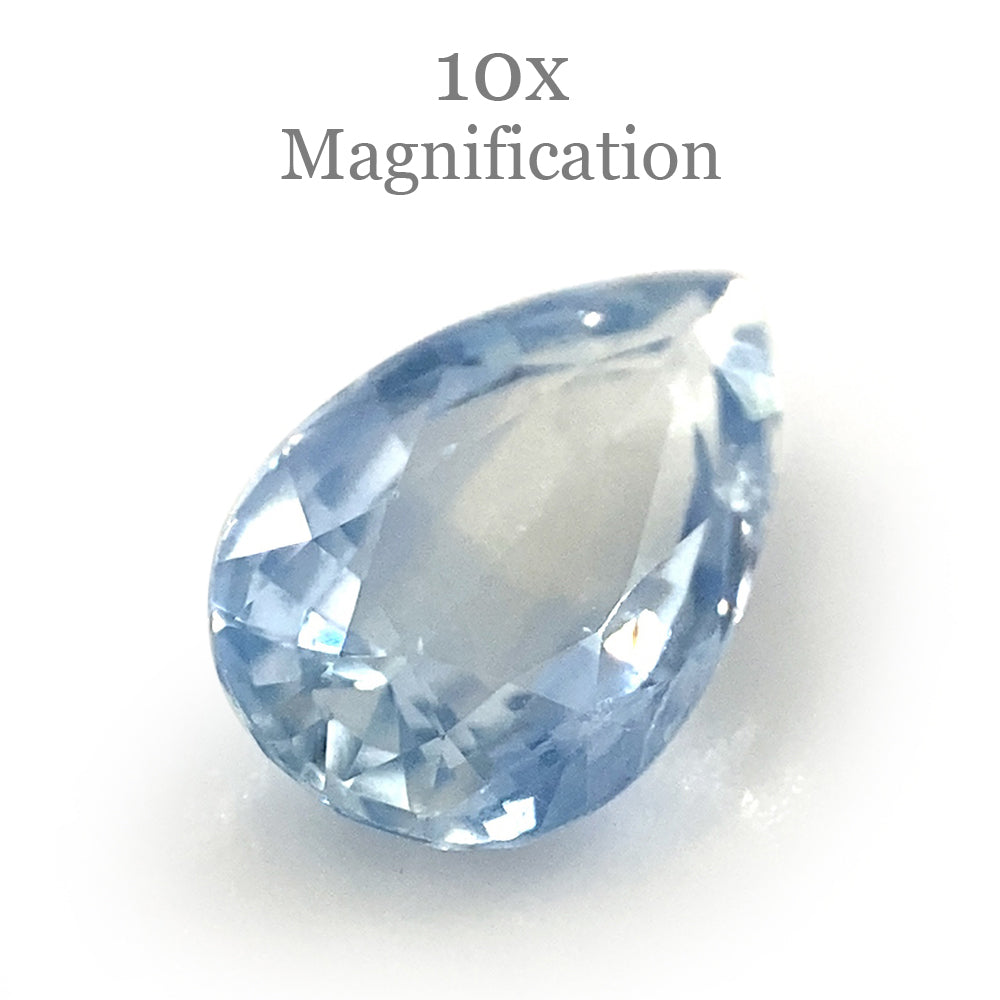
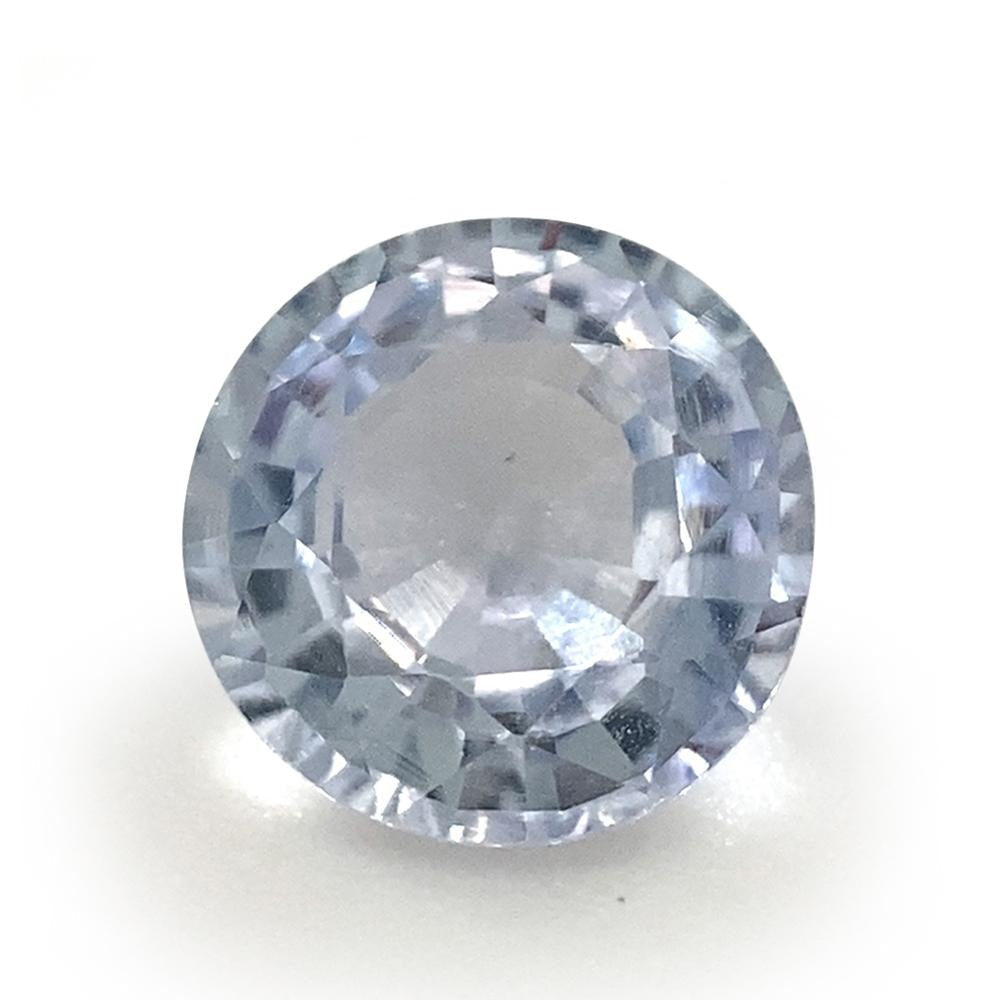
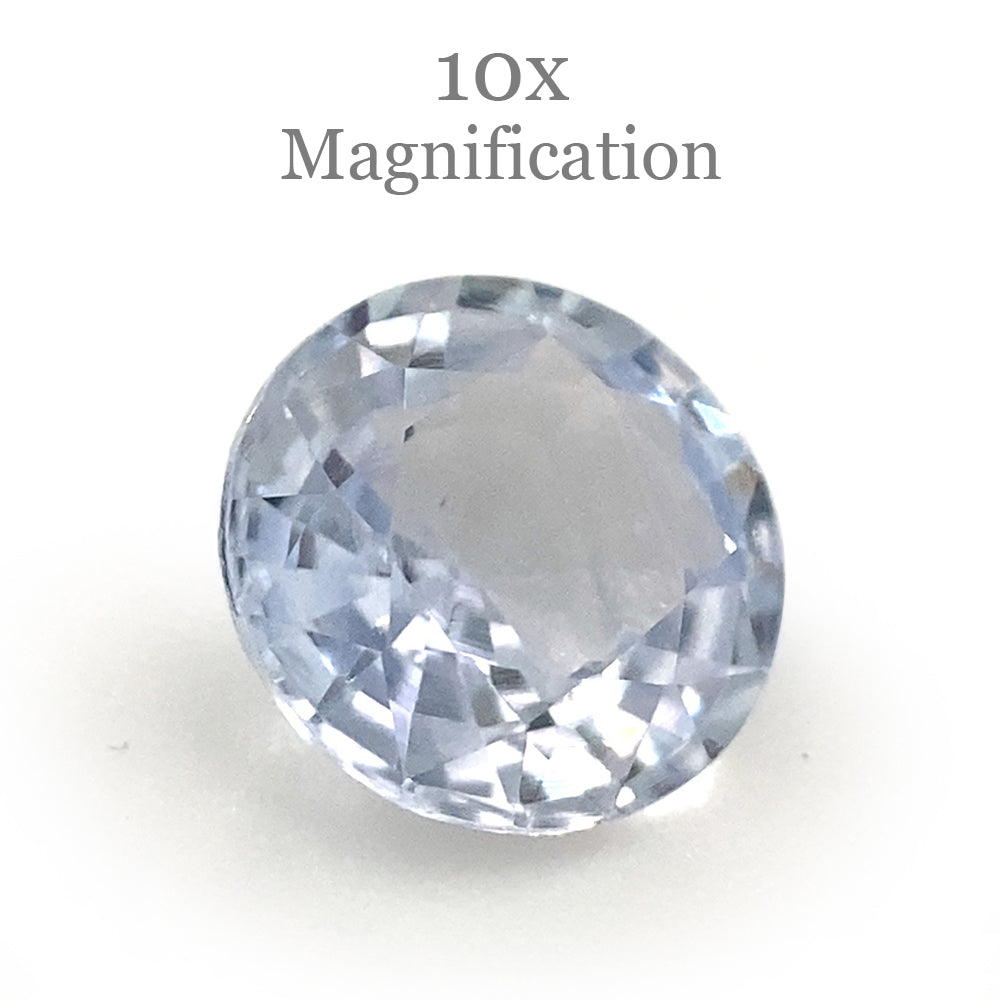
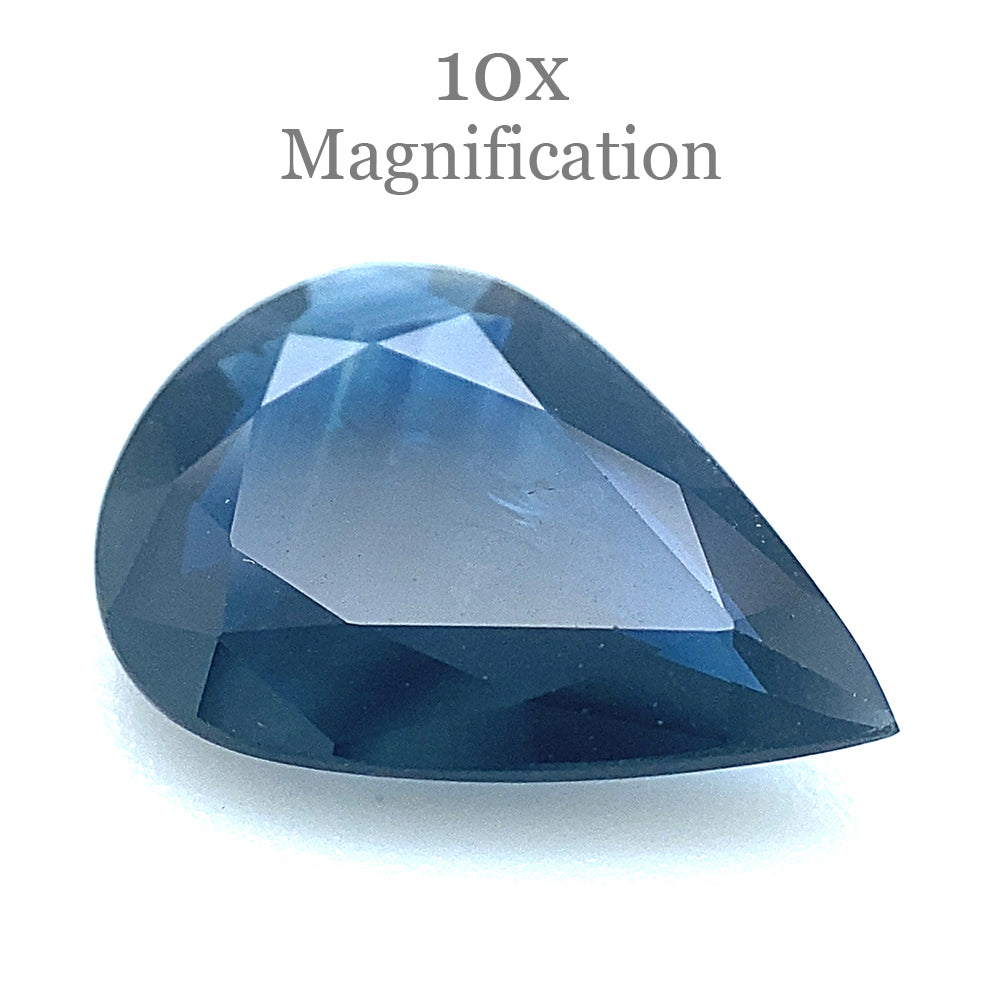
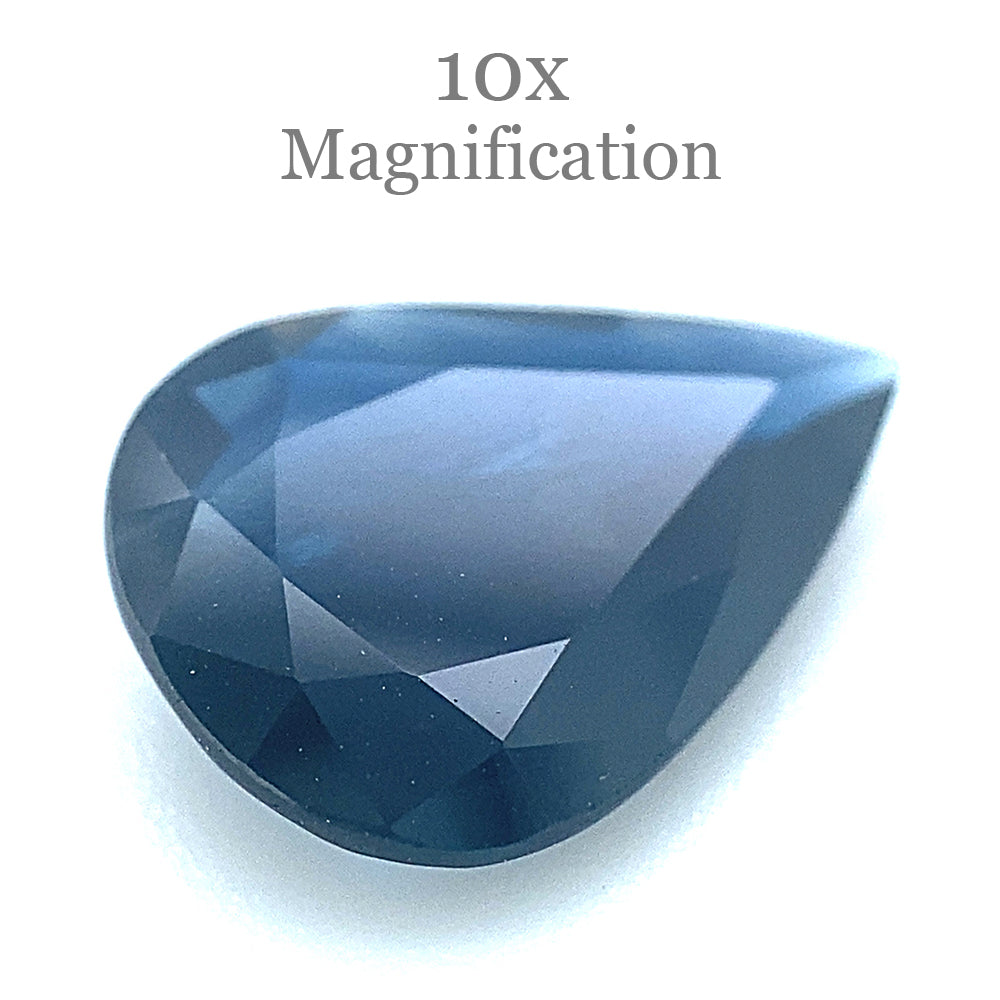
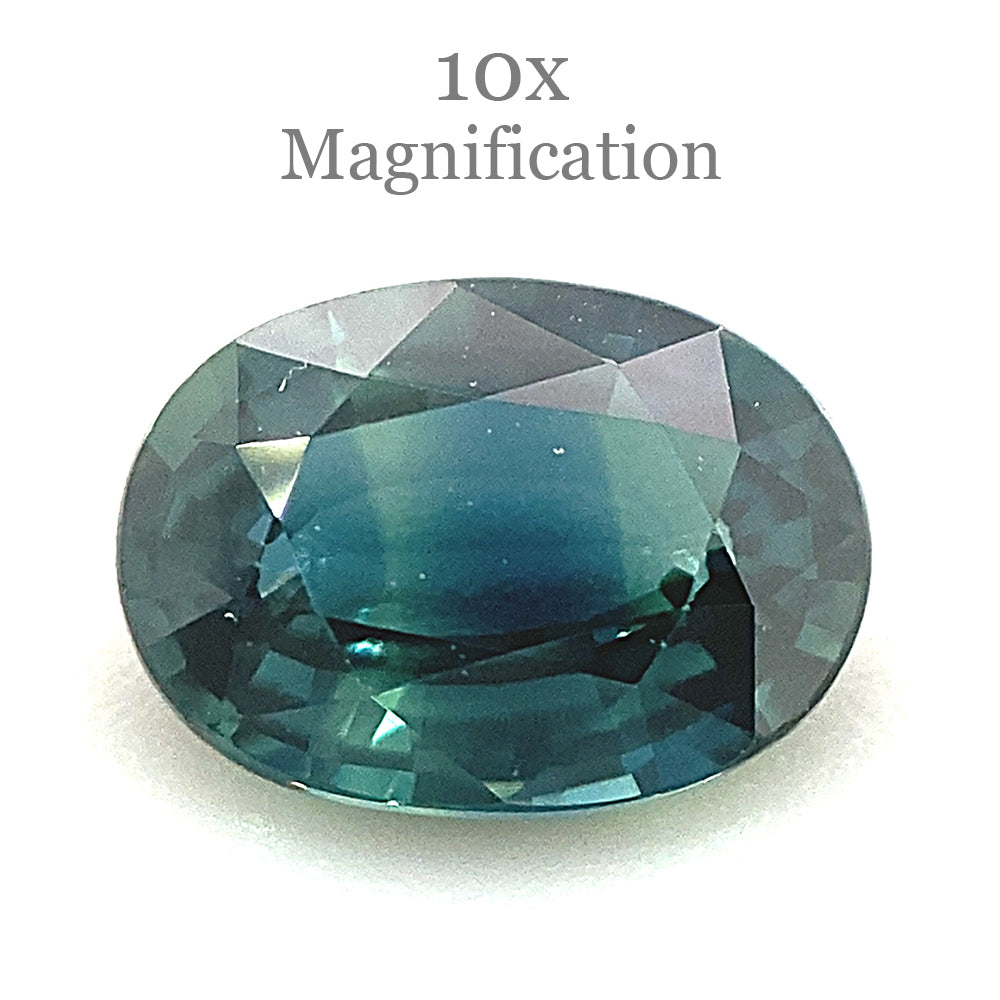
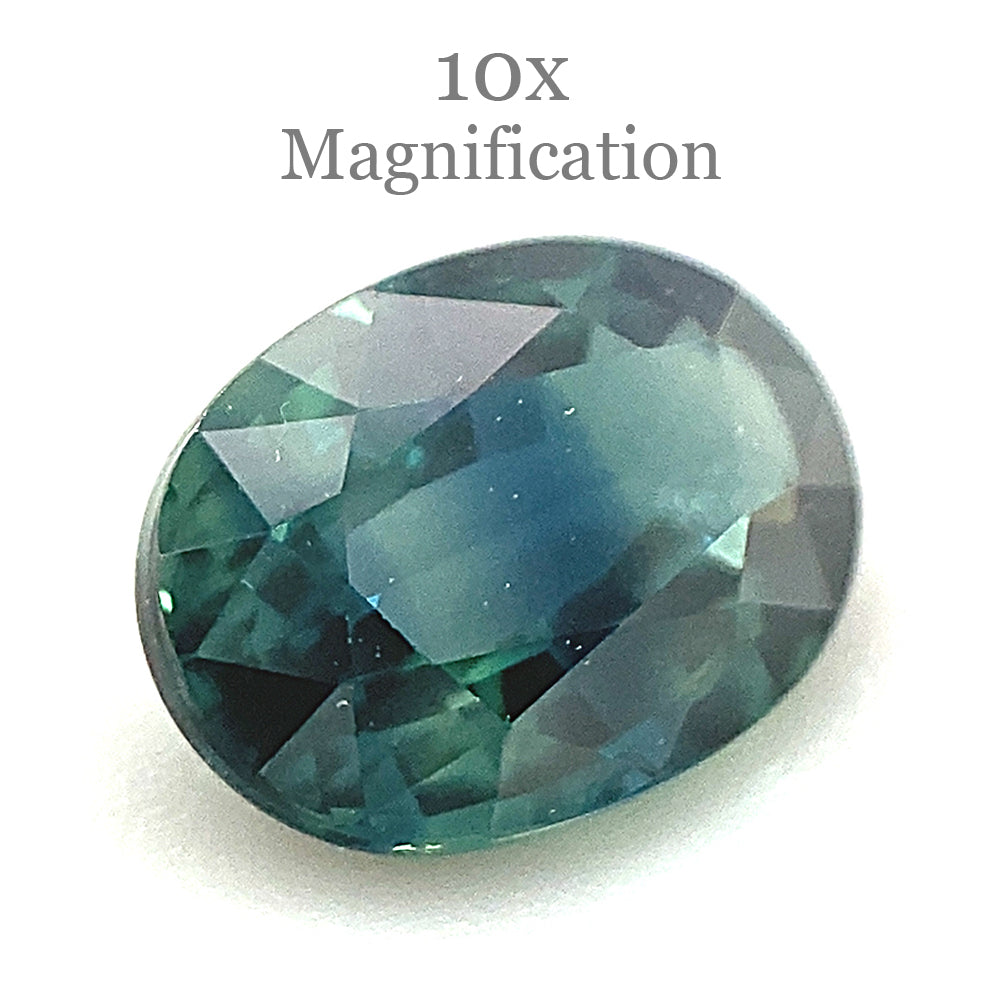
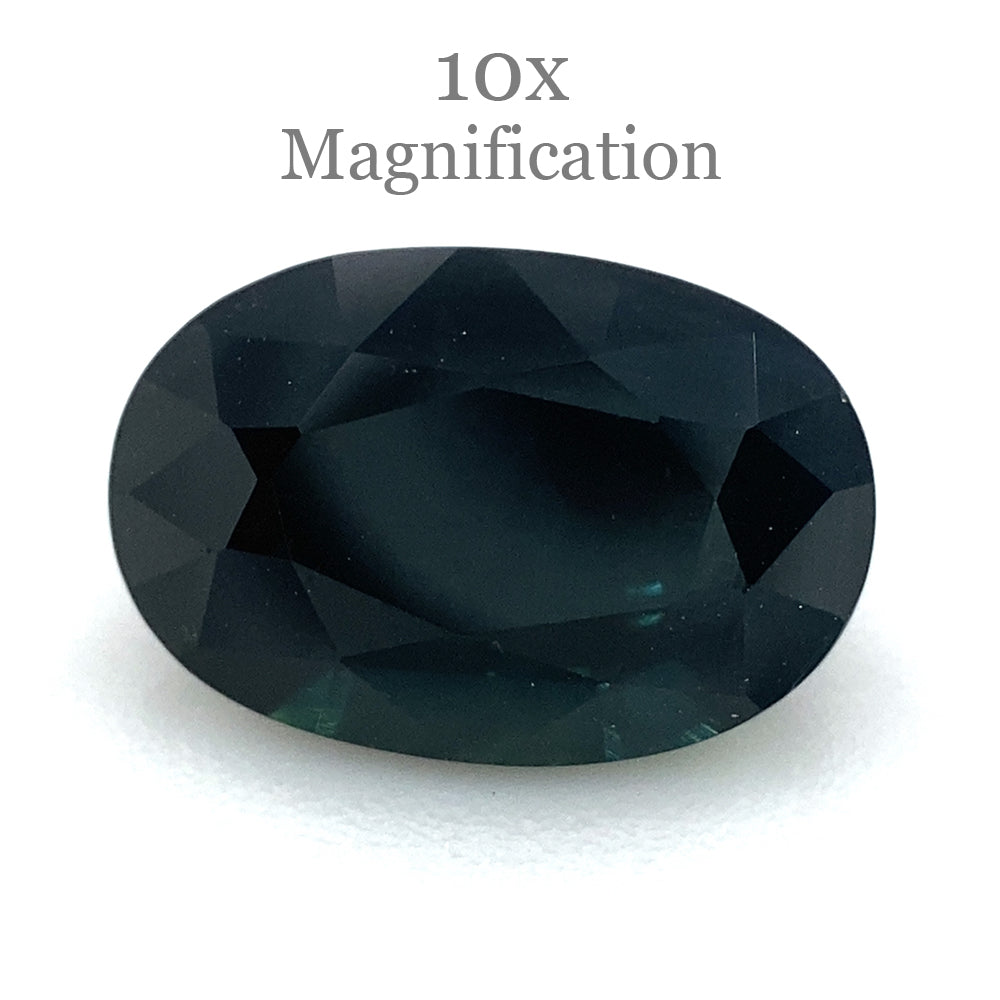
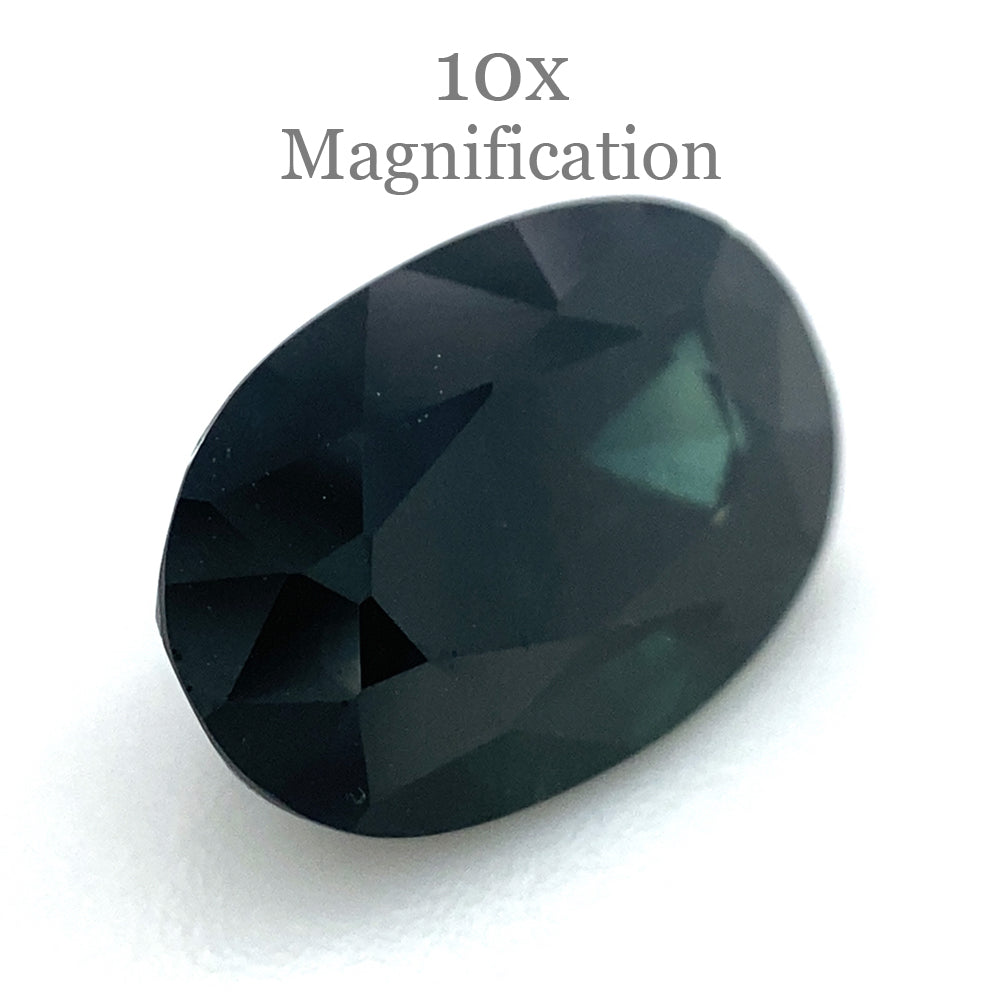
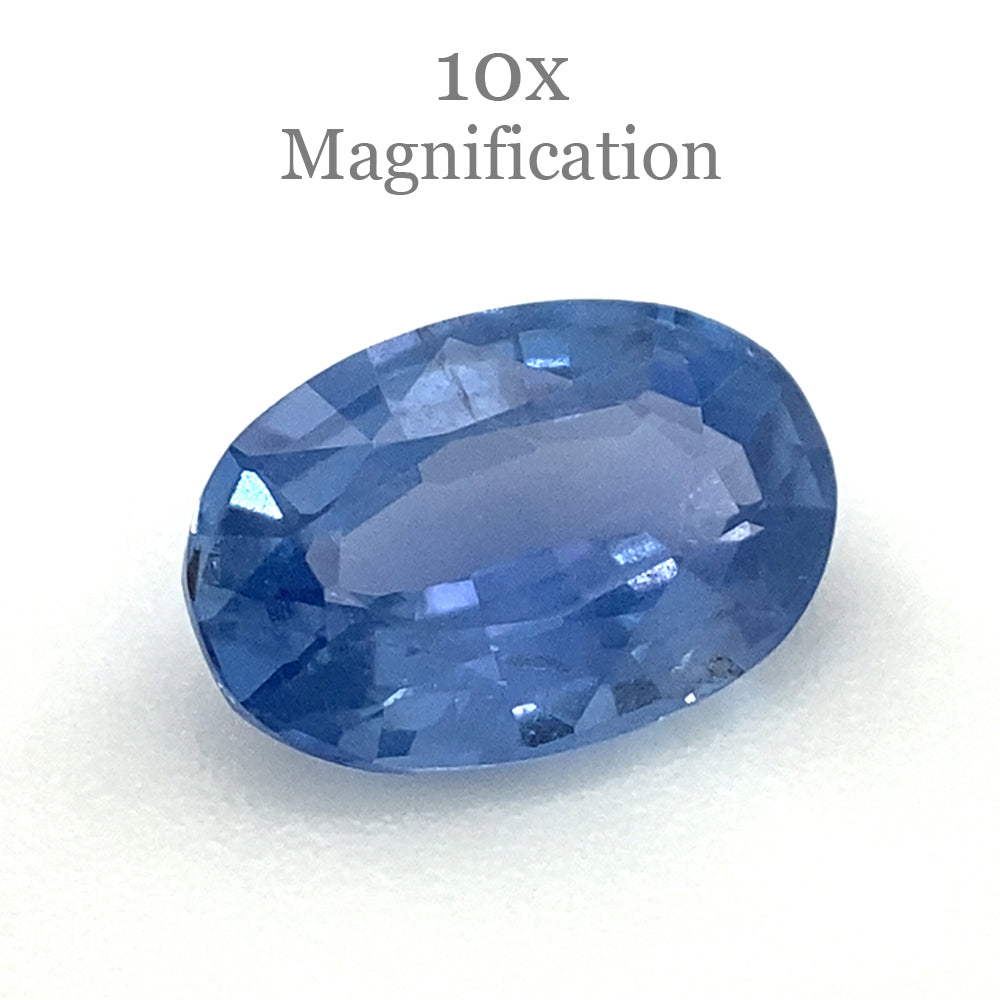
More about Blue Sapphire
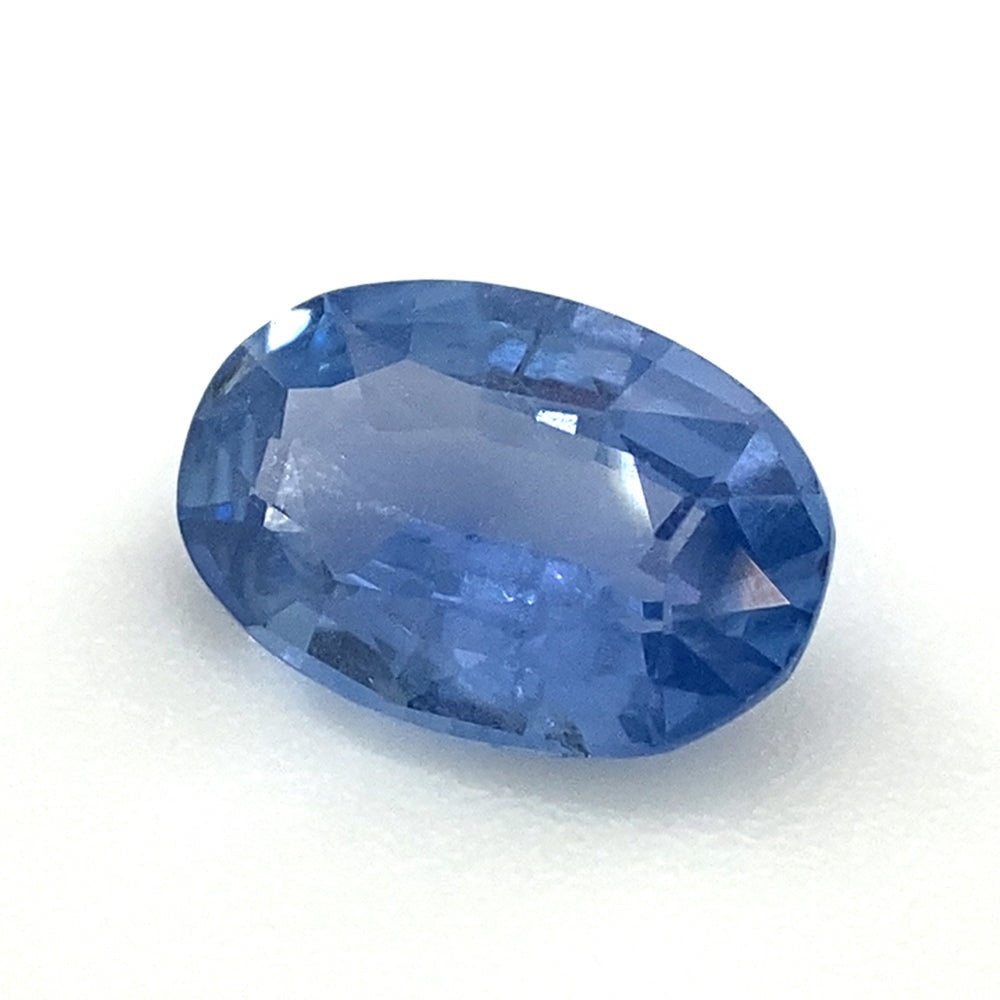
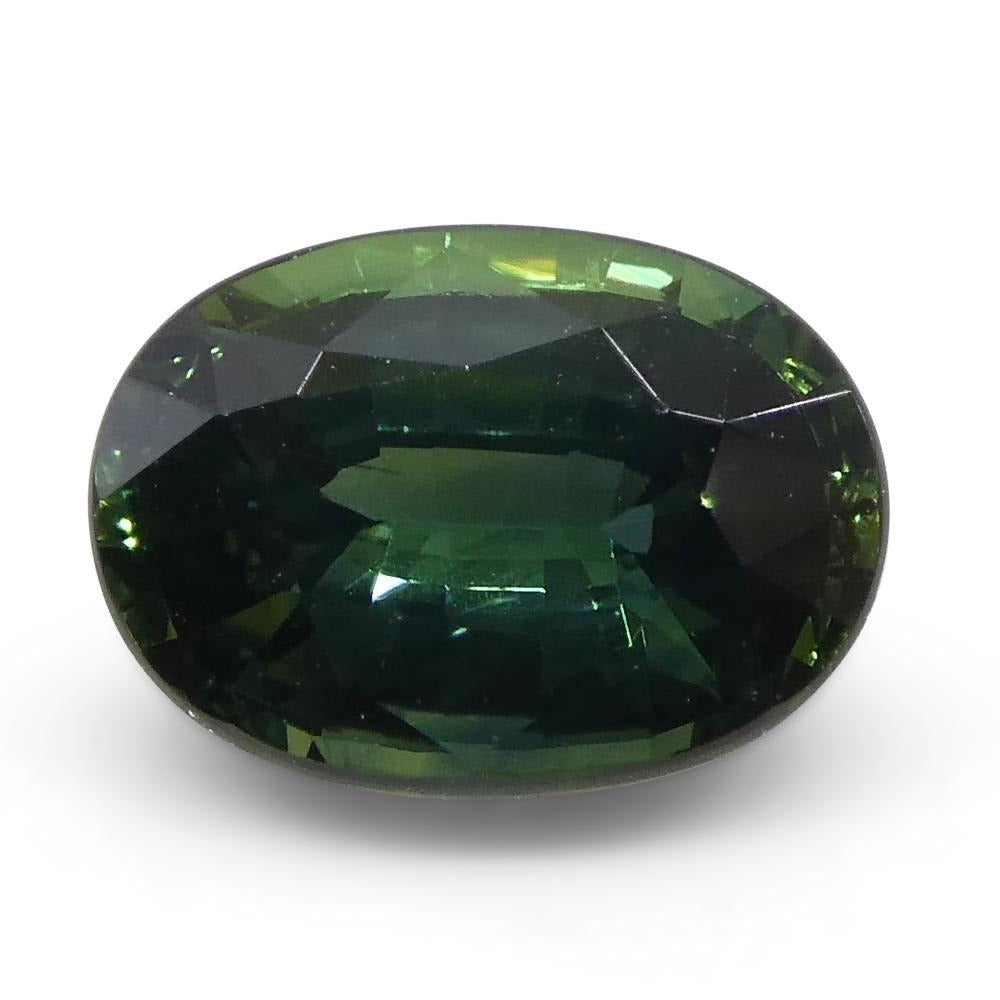
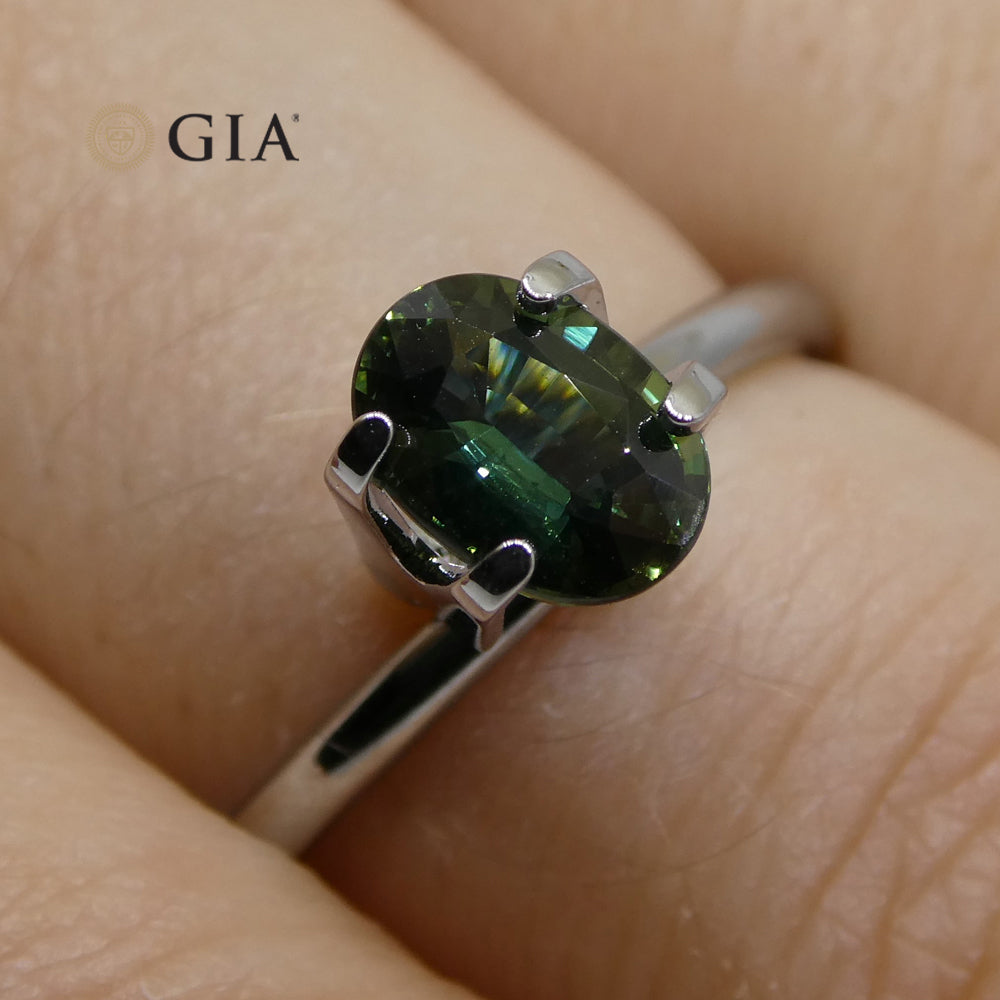
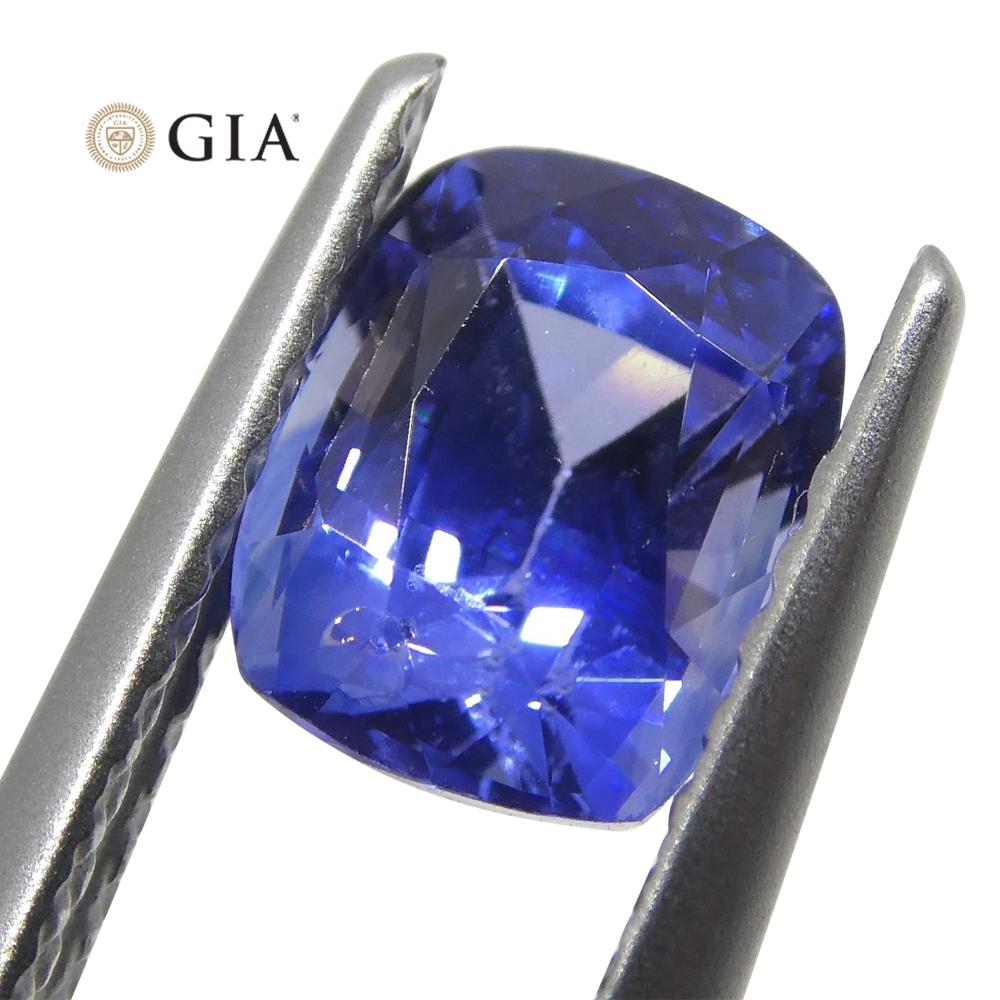
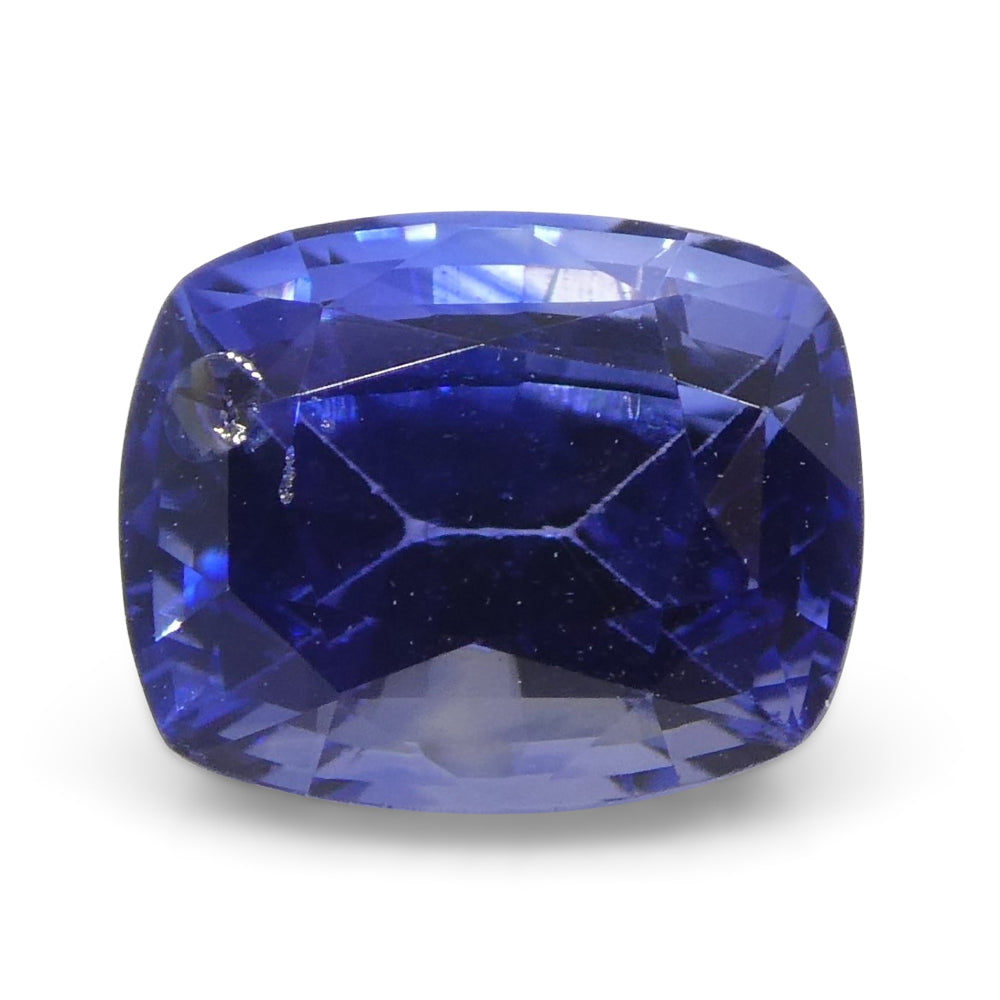
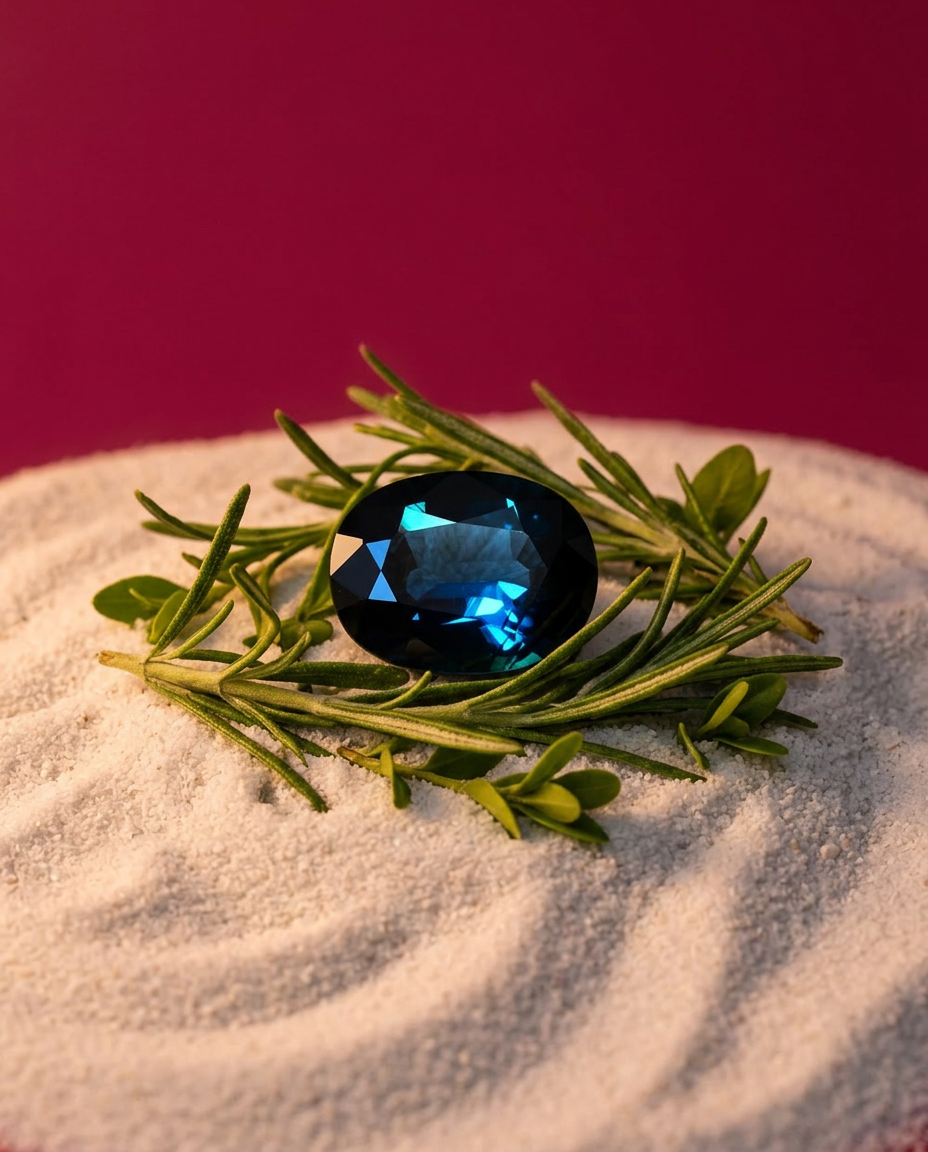
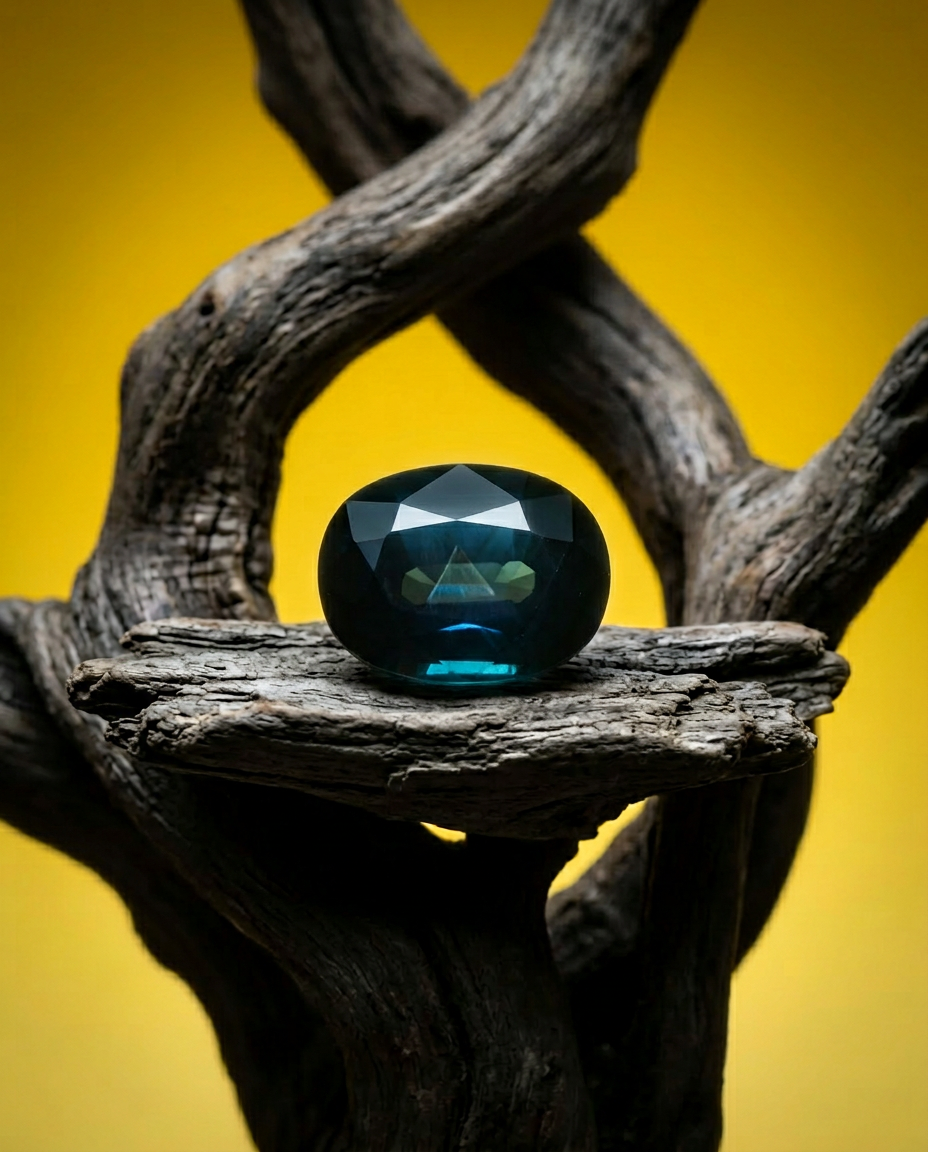
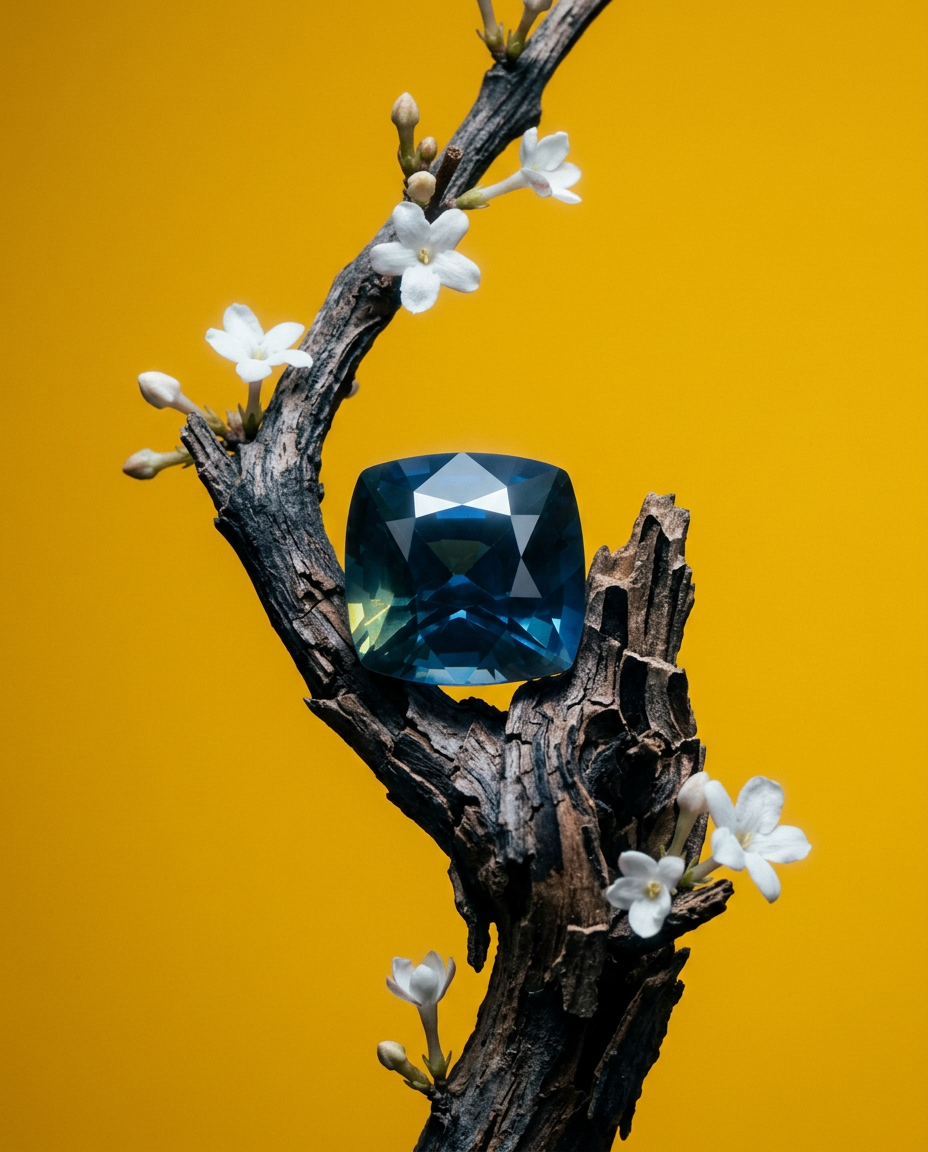
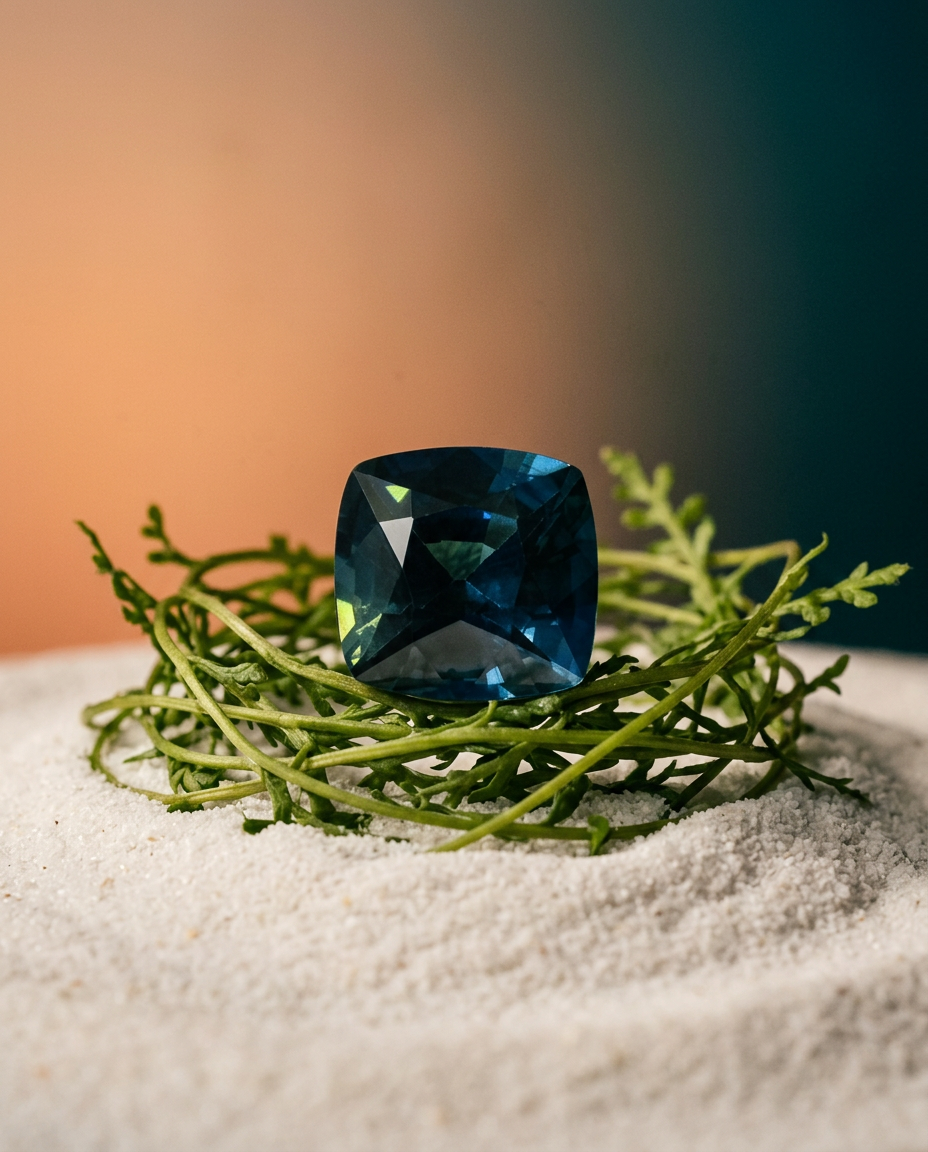
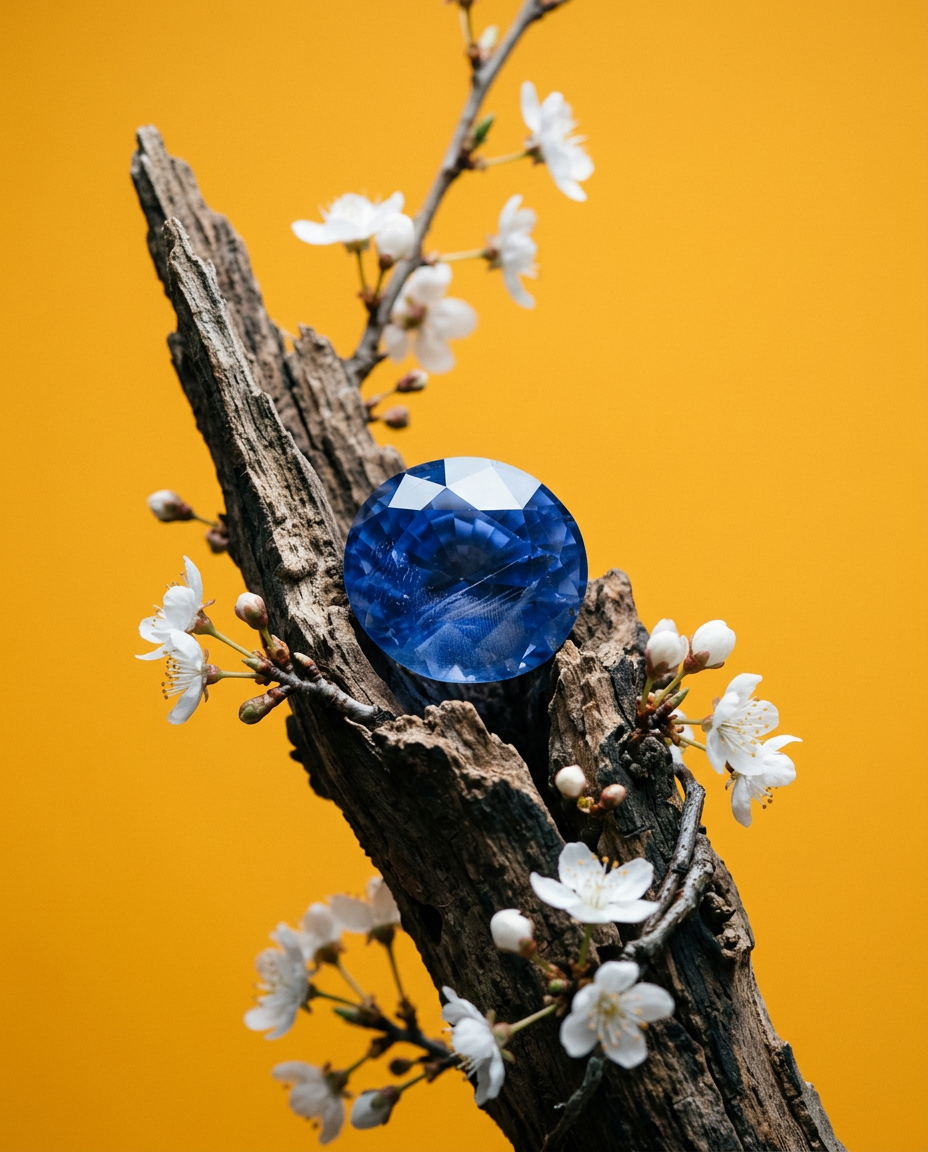
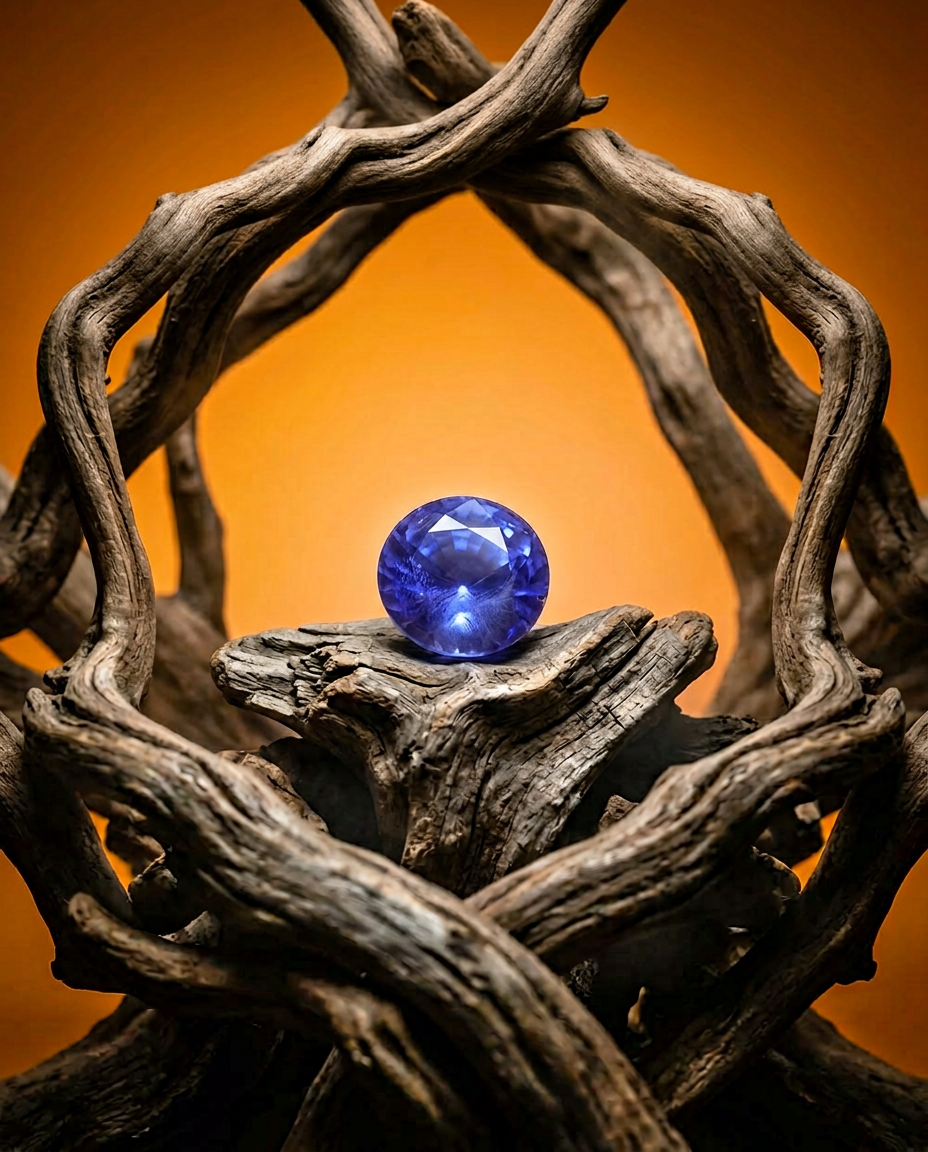
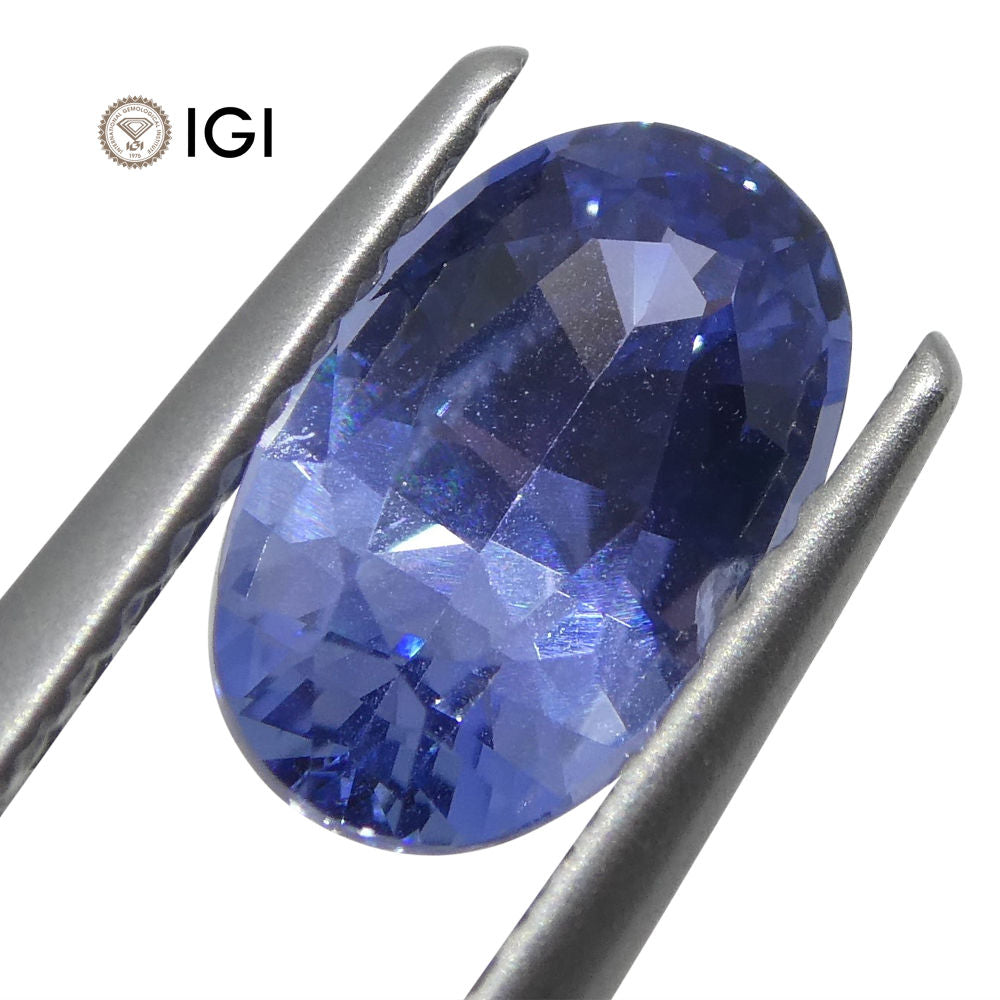
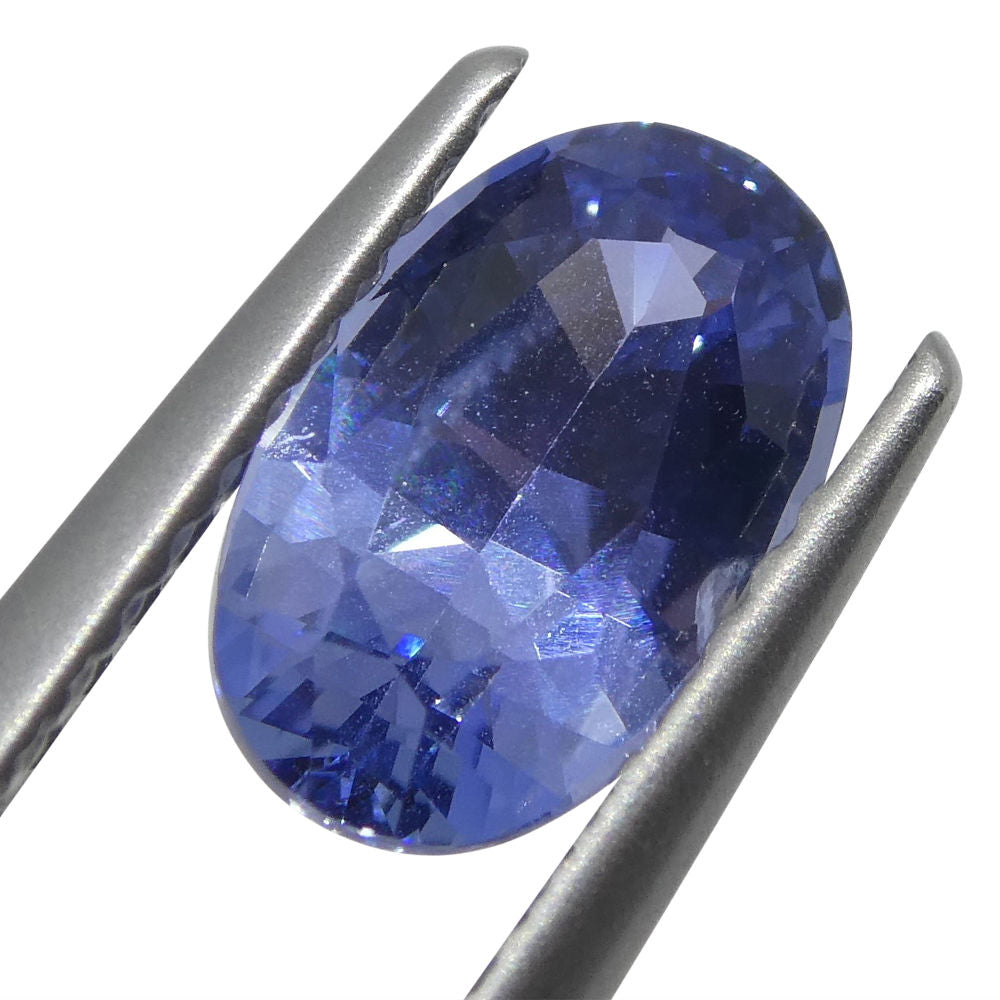
Blue is the sapphire everyone pictures — and once you sit with a tray of them, you realise "blue" isn't one colour at all. It runs from a bright, lively cornflower to a deep, velvety royal, and the same stone can shift in character as you walk it from daylight to lamplight. Sapphire is corundum, the same mineral as ruby, and at 9 on the Mohs scale it's second only to diamond for hardness — which is exactly why it has been the engagement-ring stone of choice for generations. We keep one of the deepest selections of fine blue sapphire in Canada, from Ceylon to Madagascar, many of them certified by GIA New York, and we lay the loose stones out so you can find the blue that's yours.
Where our blue sapphires come from
Origin matters with blue sapphire, and we tell you plainly on every stone. Ceylon (Sri Lanka) is the heritage name — prized for that bright, almost electric cornflower blue. Madagascar has become one of the world's great sources over the last few decades, producing wonderfully rich blues, often at gentler prices for the same beauty. Neither is "better" in the abstract; it comes down to the individual stone in front of you. On the GIA-certified stones, the origin is right there on the report.
Heated, unheated, and why the price moves
Almost all blue sapphire is heat-treated — a one-time, stable, permanent process used for generations to bring out the stone's natural colour and clarity. There's nothing wrong with it; the great majority of beautiful blue sapphires you'll ever see are heated, and we're glad to set them. An unheated blue sapphire — colour straight from the earth, confirmed by a lab — is genuinely rare, and that scarcity is what commands the premium. We disclose treatment on every stone, so you decide what matters: a stunning heated Ceylon blue, or the unheated stone with the report to prove it. Both are honest choices.
What makes one blue worth more than another
With blue sapphire it comes down to colour first — a vivid, evenly saturated blue that isn't too dark or too grey is the most prized — then clarity, cut and size. Don't get too caught up in names; trust your eye. A brighter cornflower reads lively and modern, a deeper royal blue reads classic and formal, and the only way to know which is yours is to see them side by side in real light. That's exactly what we set up for you.
More questions
What shade of blue should I choose?
Whichever one stops you when you see it. As a guide: a bright cornflower blue feels lively and pairs beautifully with white gold or platinum; a deep royal blue feels classic and rich and looks wonderful in yellow gold. There's no "correct" blue — sit down with the loose stones in real light, hold them against your metal, and trust your eye. We'll tell you exactly what each one is.
Are your blue sapphires heated or unheated — and does it matter for my ring?
Most are heated, which is completely standard and makes no difference to how the stone wears: a heated sapphire is just as hard, as durable and as beautiful as an unheated one. The difference is rarity and price. We also carry genuinely unheated stones with the lab report for collectors who want them. Either way we disclose the treatment, so the choice is always yours and never a surprise.
What's the difference between a Ceylon and a Madagascar blue sapphire?
Both are top sources — the difference is character, not quality. Ceylon (Sri Lanka) is the heritage name, famous for bright cornflower blues. Madagascar is the modern powerhouse, producing rich blues that often represent better value stone-for-stone. Rather than chase a name on paper, come and compare the actual gems — the right one is the blue that looks best to you, whatever the map says.
Is a blue sapphire tough enough for an everyday engagement ring?
Absolutely — this is one of sapphire's quiet advantages. At 9 on the Mohs scale it's second only to diamond, which makes it an excellent choice for a ring worn every single day. It's part of why sapphire engagement rings have endured for generations. We'll still steer you to a setting that protects it well, and your ring comes with free sizing and cleaning for life.
Can I just buy a loose blue sapphire and take it to my own jeweller?
Of course — we're a dealer first, and we're glad to. If you already have a jeweller you trust and simply can't find the right stone, come in, sit with the sapphires, pick the one you love, and take it to them. No pressure to have us build the ring.
How do you ship a blue sapphire, and is it insured?
Complimentary insured delivery within Canada and the United States, fully insured door to door, with international delivery arranged on request. Loose certified stone or finished custom ring, it travels protected. Call us anytime at 416-366-3335 if you'd like to talk it through first.