

Emerald
Custom Emerald Rings in Toronto, Made Around Your Stone
Come and sit with our emeralds — 200+ in stock, over 70 certified by GIA New York. Pick the one you love and we'll build your ring by hand in Toronto. A dealer that sells wholesale, straight to the public, since 1967.
Frequently asked questions
Where can I get a custom emerald ring made in Toronto?
At Skyjems, 27 Queen St East, Suite 1011. We list more than 200 emeralds online — over 70 certified by GIA New York — with many more in the vault not yet listed. Choose your stone in person, and our master goldsmiths design and build the ring here in Toronto. A family dealer since 1967.
Can I see loose emeralds before I choose one?
Yes — that's how we work. Book a viewing or just walk in, sit down with the actual stones, and we'll disclose origin and treatment on every emerald.
Are your emeralds GIA-certified?
Many are. Of the 200-plus emeralds we list online, over 70 are certified by GIA New York, and every stone is graded on site by a GIA-certified specialist. The lab report comes with the stone.
Filters


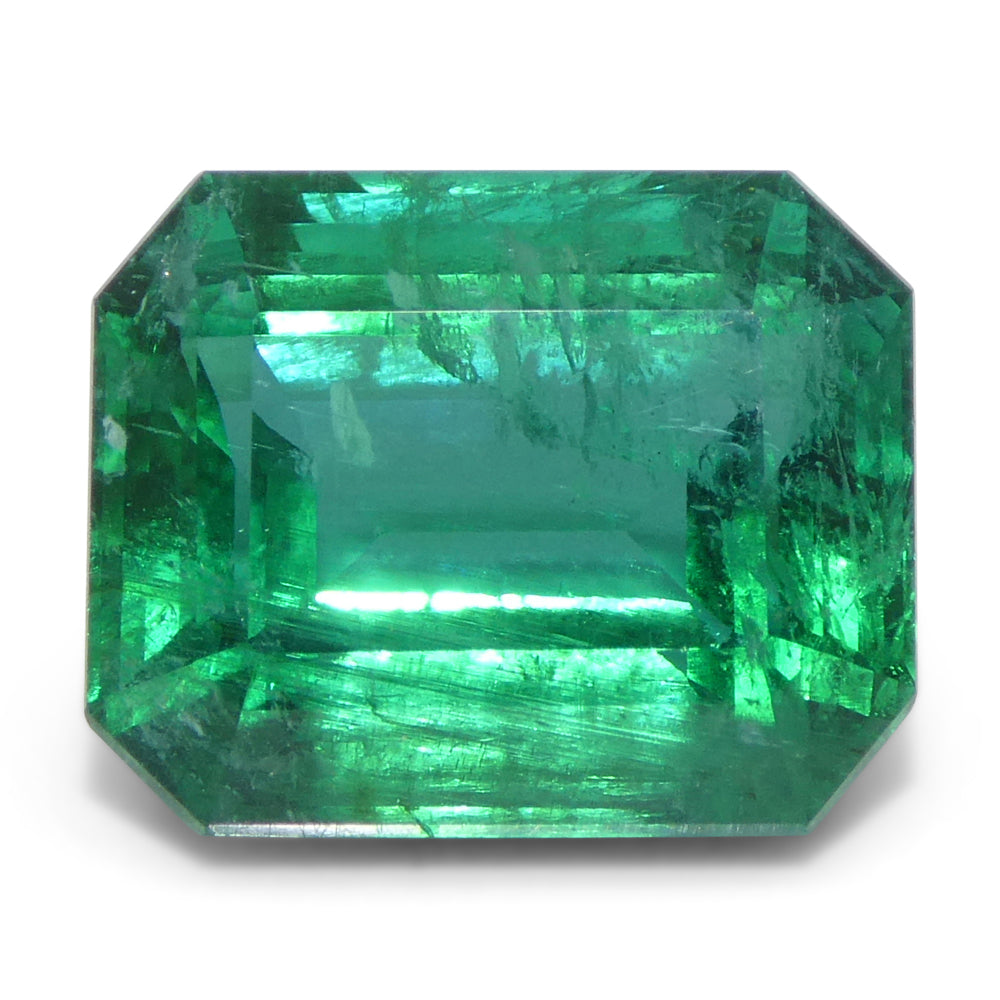


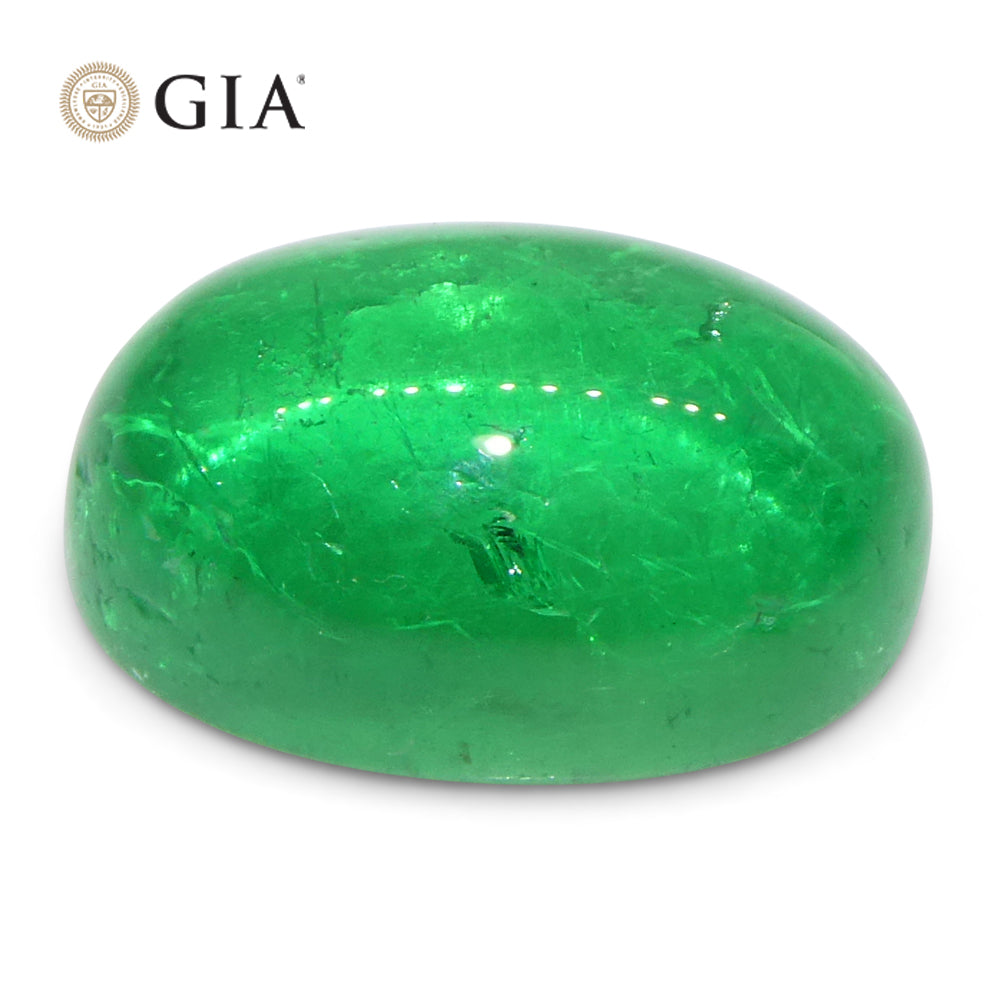
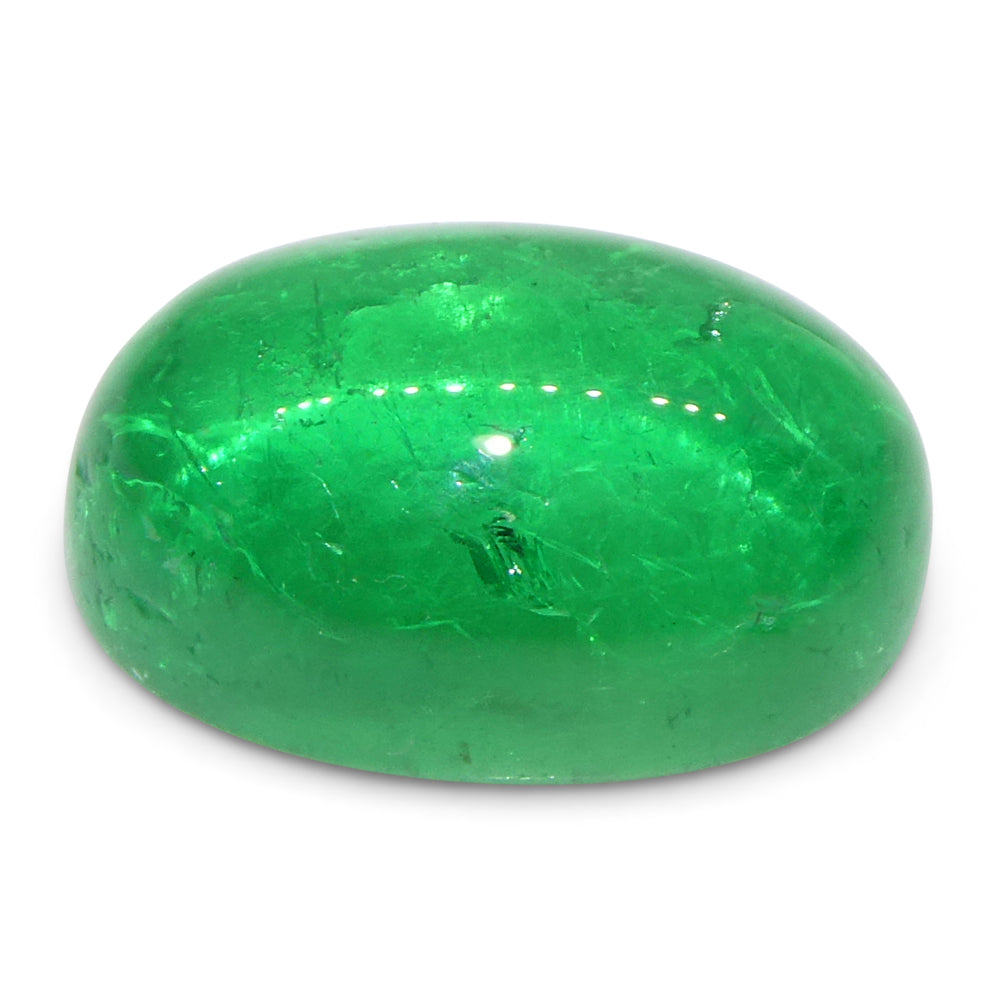


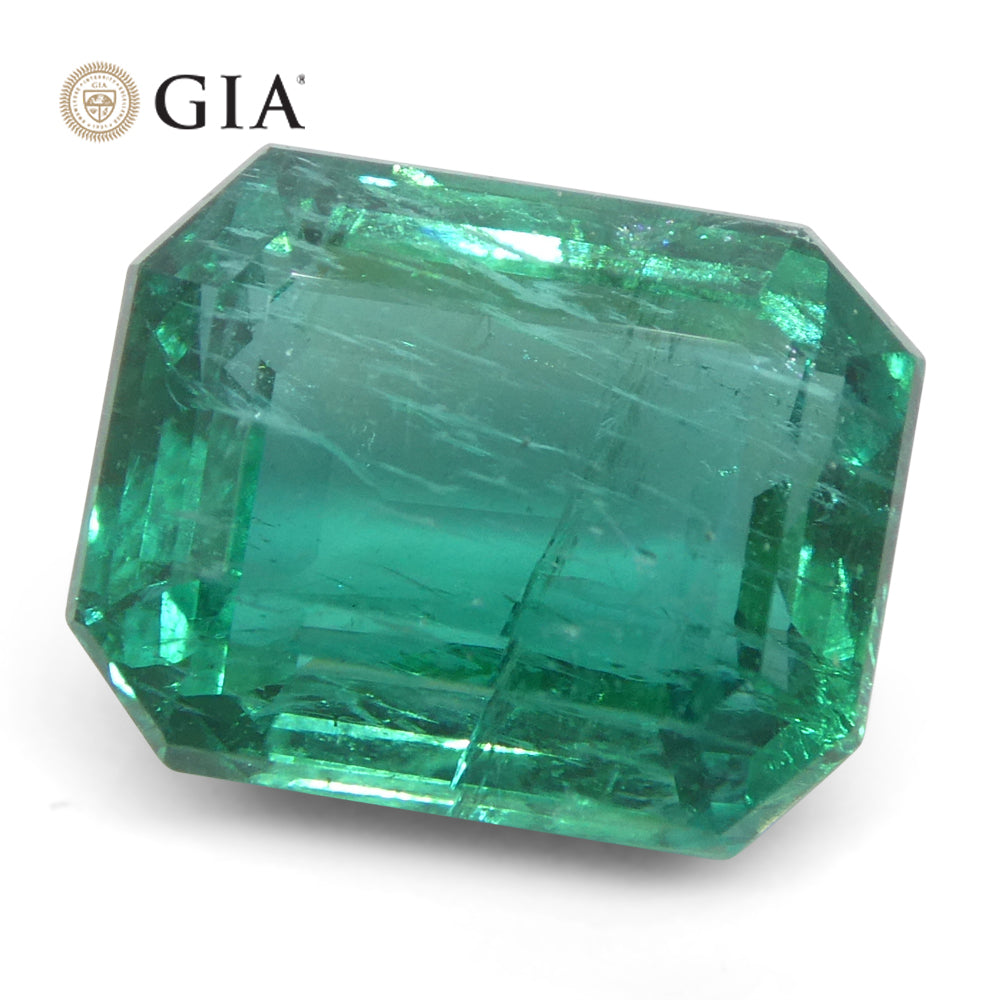

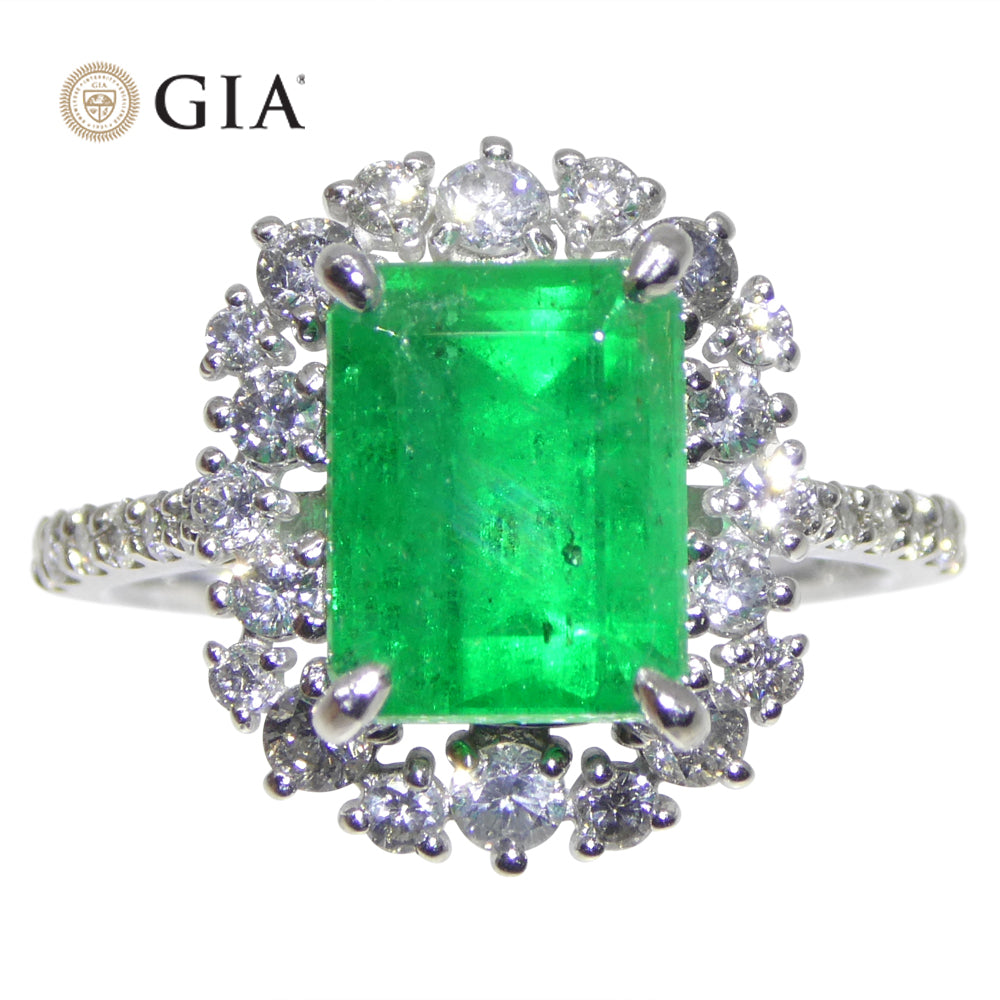
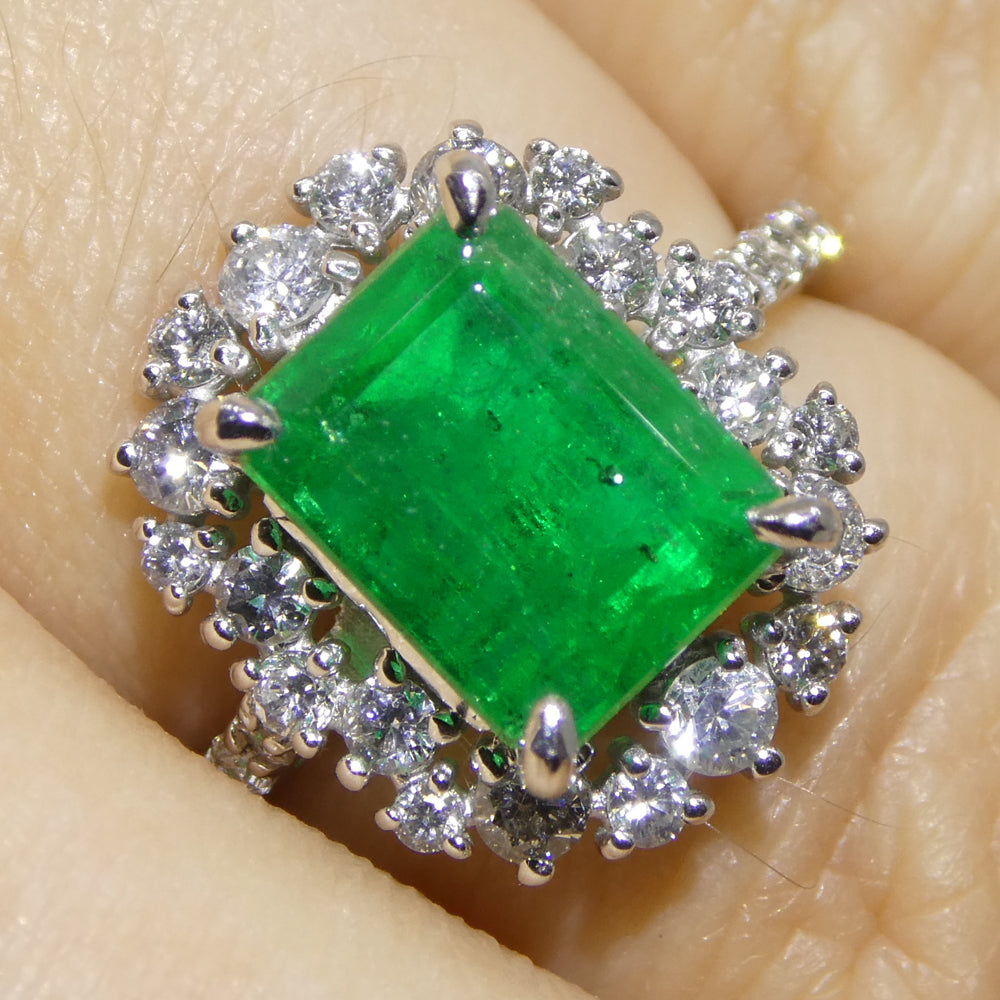

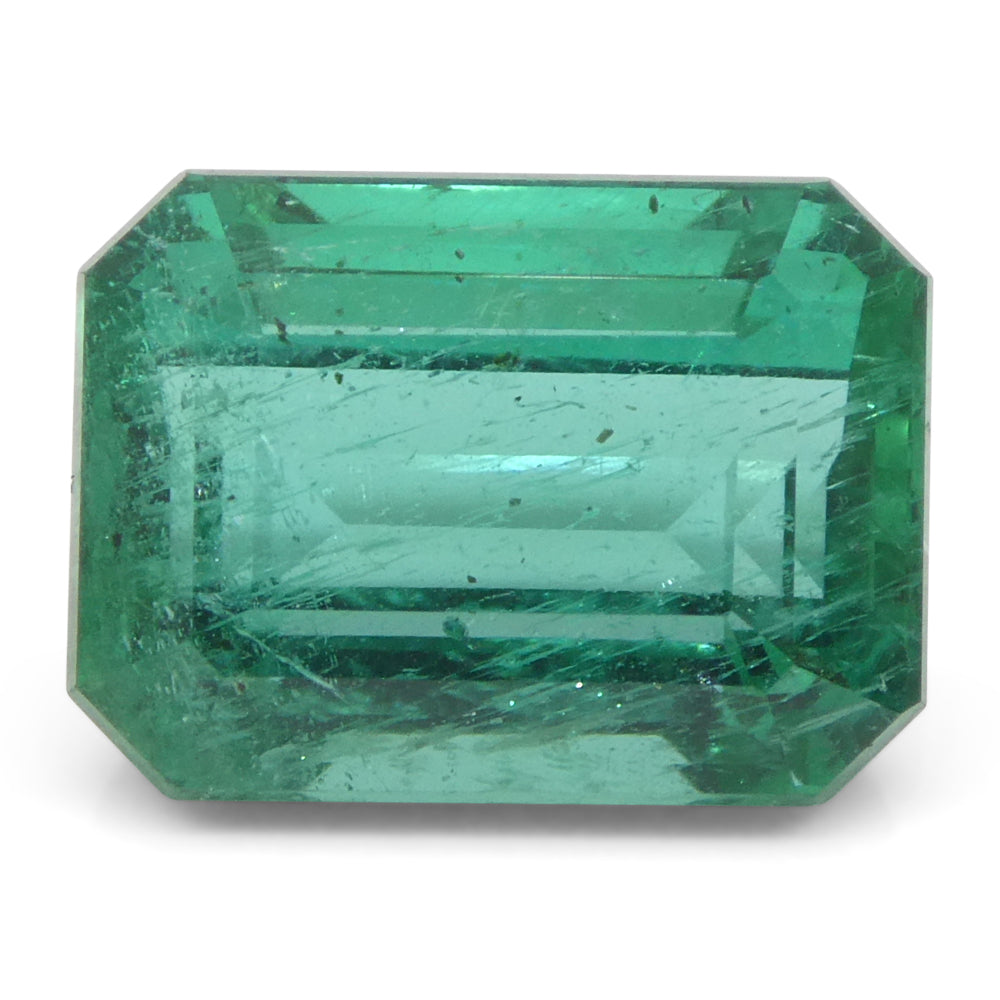


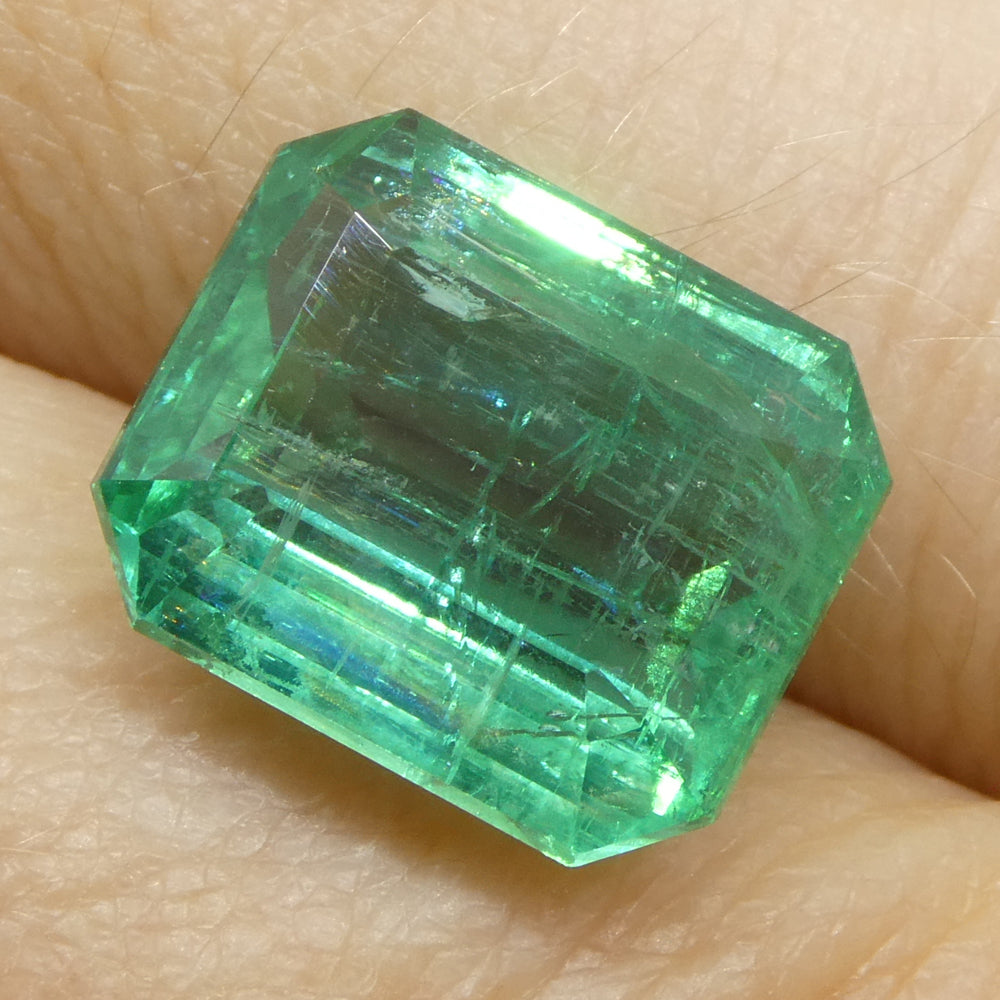


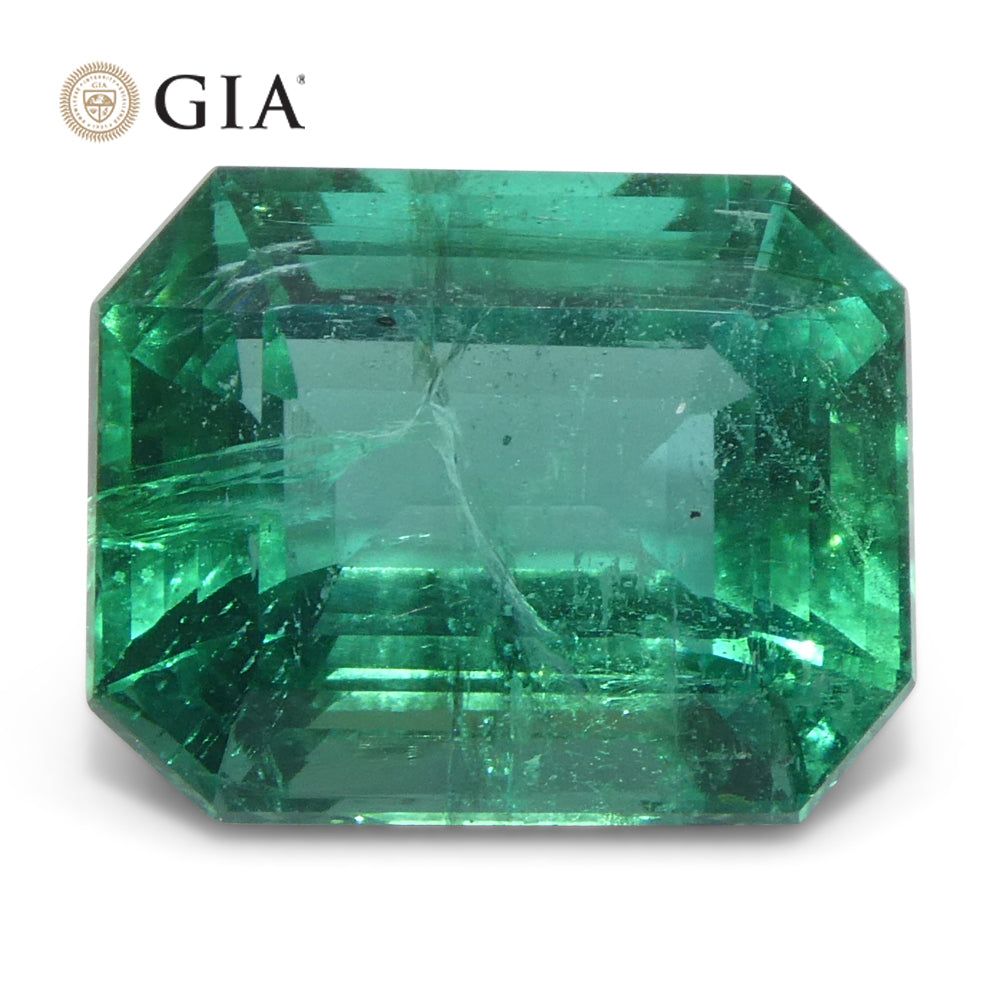


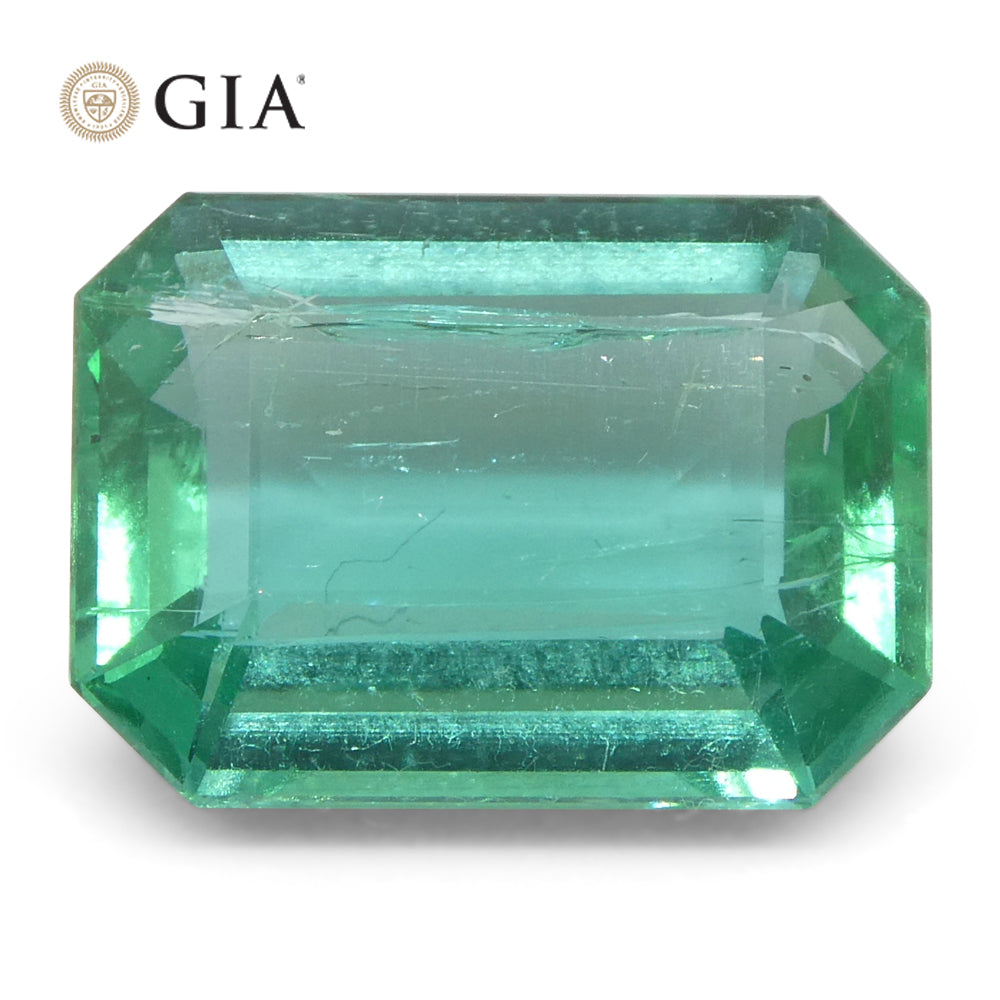


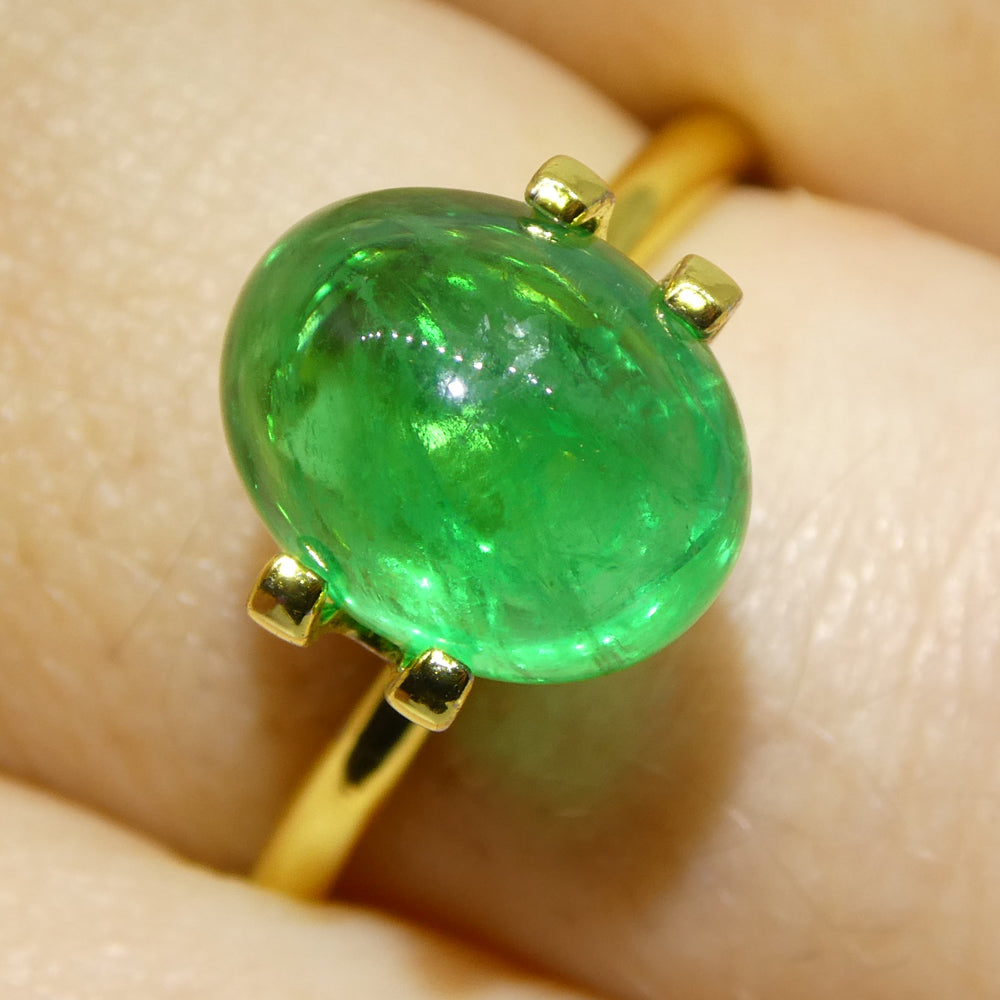


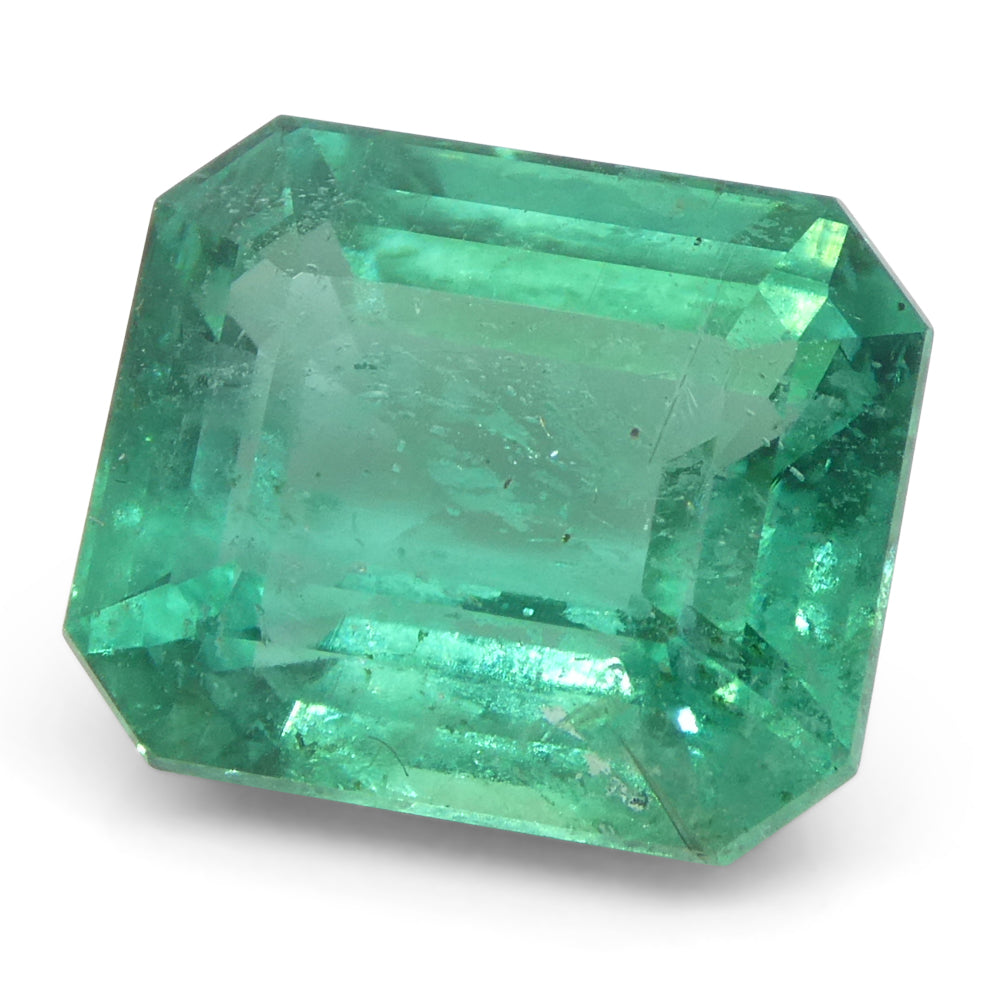


More about Emerald
Emerald is the green variety of beryl, and it's one of the big three coloured gemstones — emerald, ruby and sapphire, the stones the whole trade is measured against. What sets emerald apart is that you're meant to look into it, not just at it. Hold one up and you'll see fine threads, veils and crystals suspended inside, what the French dealers call the jardin — the garden. That garden isn't a flaw to be embarrassed about. It's the fingerprint of a stone that grew slowly underground over millions of years, and it's part of how you tell a natural emerald from glass or a lab-grown one. We'll happily put a loose stone under the loupe with you and walk you through its garden.
Here's the honest part most people don't hear until they're standing at the counter: nearly every emerald you'll ever see has been oiled. Emerald forms with tiny surface-reaching fissures, and for centuries the trade has filled those with a clear, colourless oil — traditionally cedar oil — to settle the appearance and let the colour read cleanly. It's an accepted, disclosed treatment, not a trick, and we tell you exactly what's been done to every stone. We even do it ourselves: Skyjems offers a cedar-oil refresher and a full retreatment service, because oil can dry out over years of wear, and a tired-looking emerald often just needs a refresh rather than anything drastic. What you want to avoid is heavy resin or dyed filler dressed up as "oil" — and that's exactly the kind of thing a loupe, a lab report, and an honest dealer are for.
Origin tells you a lot about character. Colombian emeralds are the benchmark for a pure, slightly bluish-green with a soft, almost velvety glow — that's the colour most people picture when they hear the word. Zambian emeralds tend to run a touch darker and cooler, often a little cleaner in the garden, and many people find they hold up beautifully against white gold and platinum. Neither is "better" — they're different personalities, and the right one is simply the one that stops you when you see it. We carry both, so you can compare them side by side in daylight instead of guessing from a photo.
We currently hold more than 220 emeralds, over 70 of them certified by GIA New York, with more in the vault than we've had time to list. That depth is the whole point: instead of ordering one stone in and hoping, you sit down with a tray, compare gardens and colours in person, and choose the exact emerald your ring gets built around.
More questions
What should I look for when buying an emerald?
Colour first — emerald is a colour stone, so a rich, even green with good saturation carries more than perfect clarity does. Then look at the garden: you want inclusions that give the stone life without breaking up the colour or threatening the structure where it'll sit in a ring. Ask what treatment the stone has had and whether it's only oil or something heavier. The nice thing about choosing in person is you don't have to take any of that on faith — you hold the stone, we show you under magnification, and the lab report backs it up.
Are your emeralds treated, and will you tell me how?
Yes, and yes. Assume any natural emerald is oiled — that's the norm for the species, not a red flag — and we disclose the treatment on every single stone. Traditional cedar-oil treatment is fully accepted in the trade; what matters is that it's disclosed and that it isn't masking a heavier filler. If a stone has had more than a standard oiling, we'll tell you plainly, and the GIA report on our certified stones spells it out too.
Do you offer emerald oiling or re-oiling?
We do. Over years of wear the oil in an emerald can dry out and the stone can start to look a little flat or show its fissures more. Skyjems offers a cedar-oil refresher for that everyday tune-up, and a full retreatment when a stone needs to be properly stripped and redone. Most emeralds only ever need the refresher. Bring yours in or send it to us and we'll tell you honestly which one it actually needs — often it's the lighter service.
What's the difference between Colombian and Zambian emeralds?
Broadly, Colombian stones lean toward a warmer, slightly bluish pure green with a soft glow, and they're the classic reference colour. Zambian stones often run a little darker and cooler and can be cleaner inside. It really is a matter of which character speaks to you, and the only honest way to decide is to see them together. We stock both, so you can lay them next to each other and trust your own eye rather than a screen.
I already have a jeweller — can I just buy the emerald from you?
Of course. Plenty of people come in, find the right emerald with us, and take it to a jeweller they already know and trust. We're a coloured-gemstone dealer first, so we're genuinely happy to simply sell you the stone — with its origin, its treatment, and its lab report — and let your own jeweller set it. No pressure to have us build the ring.
Do you ship emeralds across Canada and the US?
Yes — complimentary insured delivery within Canada and the United States, with international delivery arranged on request. Your stone travels fully insured, and you can always call us first to talk it through at 416-366-3335. We're coloured-gemstone specialists, dealing wholesale straight to the public since 1967.