
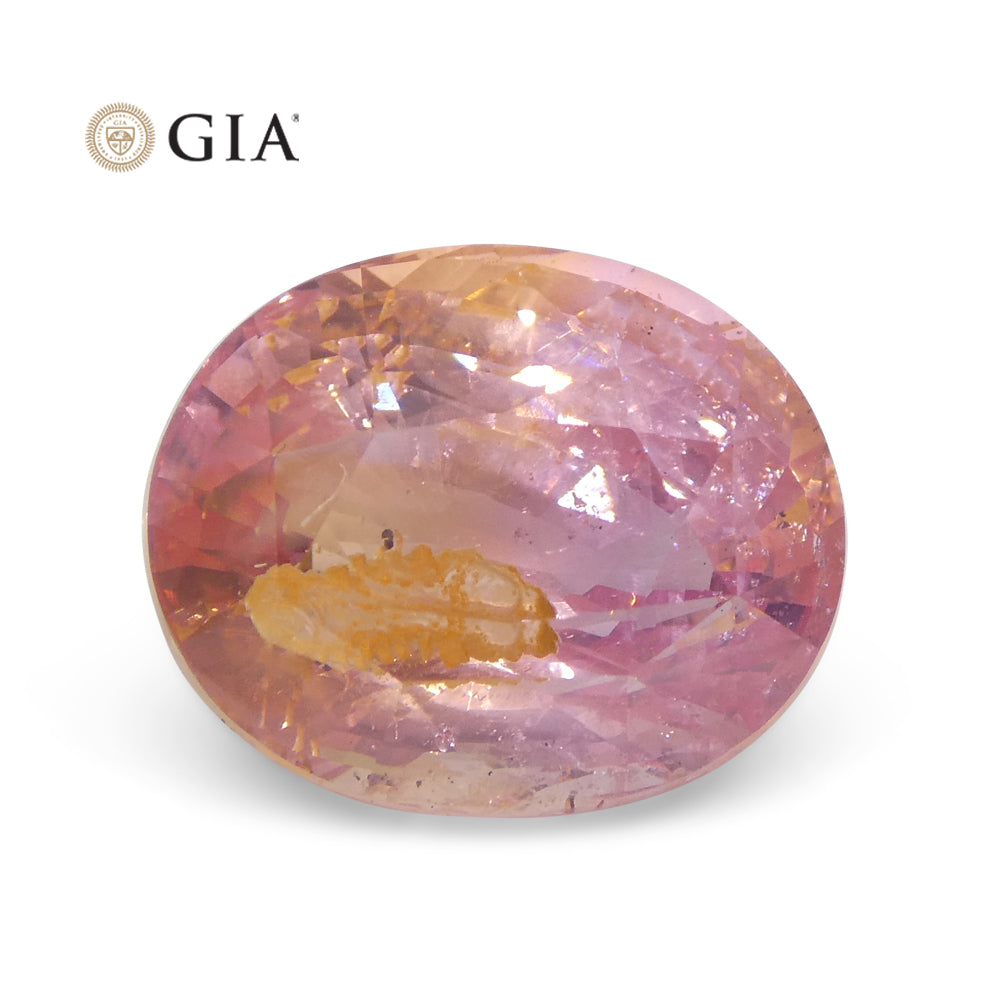
Padparadscha Sapphire
The Rare Padparadscha Sapphire, Made Into Your Ring in Toronto
Of all the sapphires we keep, the padparadscha is the one people travel for — that improbable pink-orange glow you can't quite name and can't forget. It's also the stone even good jewellers struggle to source; Skyjems is a Toronto-based dealer holding 16 of them loose right now, 6 certified by GIA New York, with more in the vault. Come and sit with them, pick the one you love, and our goldsmiths build the ring around it by hand, set in gold that was recycled right here in Toronto. Coloured-gemstone specialists since 1967 — and we sell wholesale, straight to the public. Call us at 416-366-3335.
Frequently asked questions
Where can I get a padparadscha sapphire ring made in Toronto?
At Skyjems, 27 Queen St East, Suite 1011. We hold 16 loose padparadscha sapphires — 6 certified by GIA New York — with more in the vault. Choose your stone in person and our master goldsmiths design and build the ring here in Toronto. A family gemstone dealer since 1967.
Can I see loose padparadscha sapphires before I choose one?
Yes — that's how we work. Book a viewing or walk in, sit down with the actual stones, and we'll discuss the origin and treatment on every one.
Are your padparadscha sapphires GIA-certified?
Many are. Of the 16 we hold, 6 are certified by GIA New York, and every stone is graded on site by a GIA-certified specialist. The lab report comes with the stone.
Filters


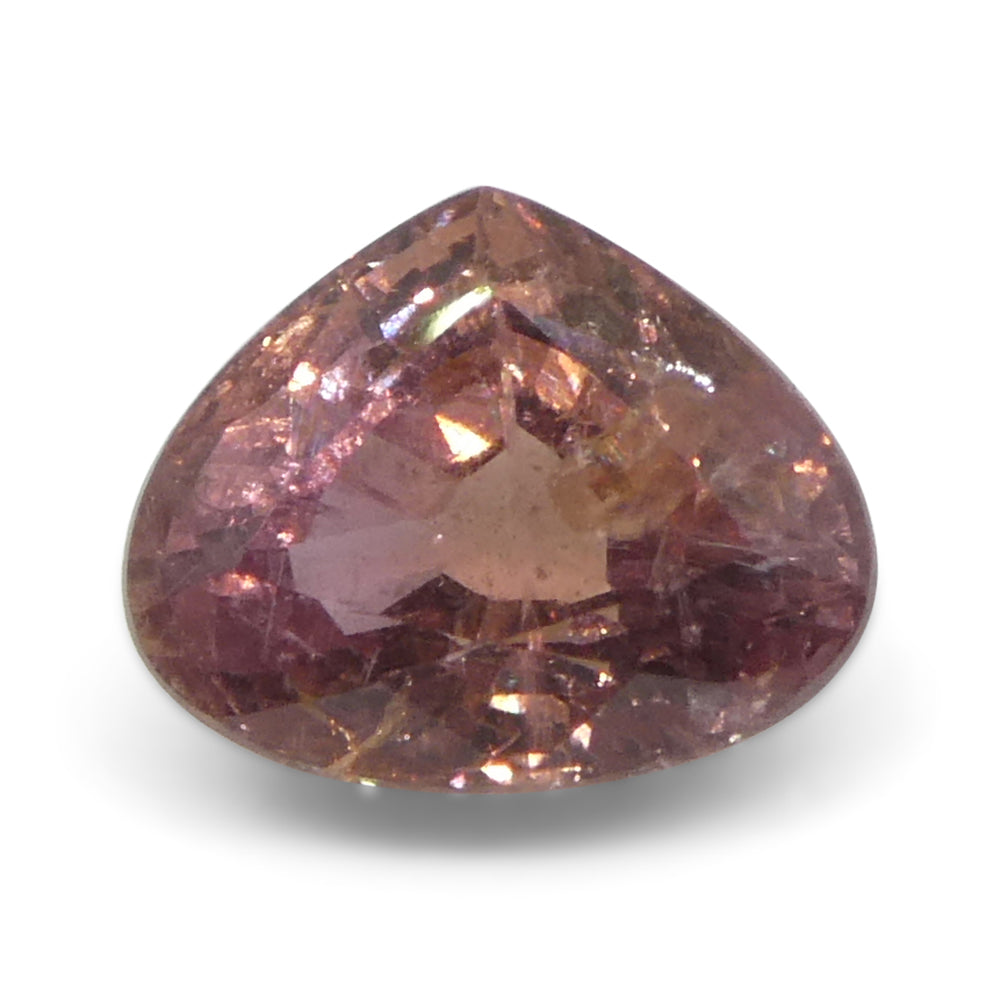
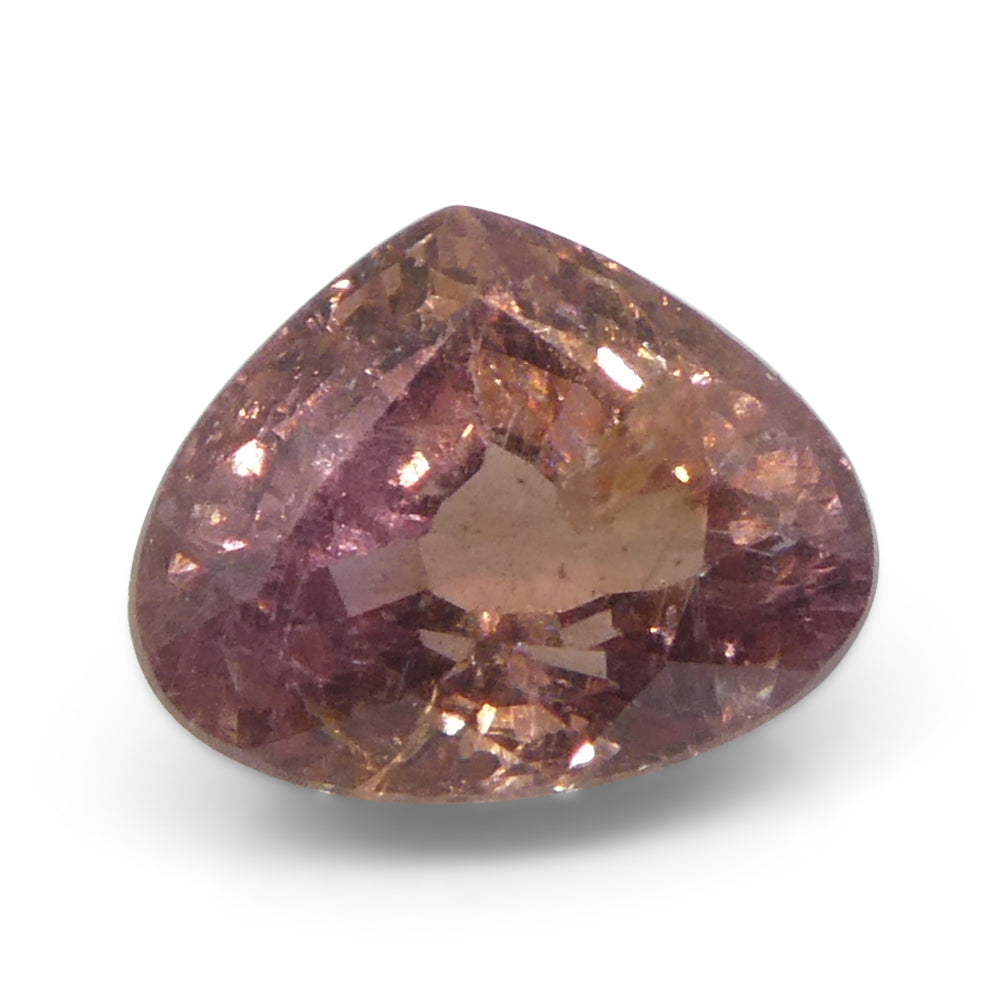


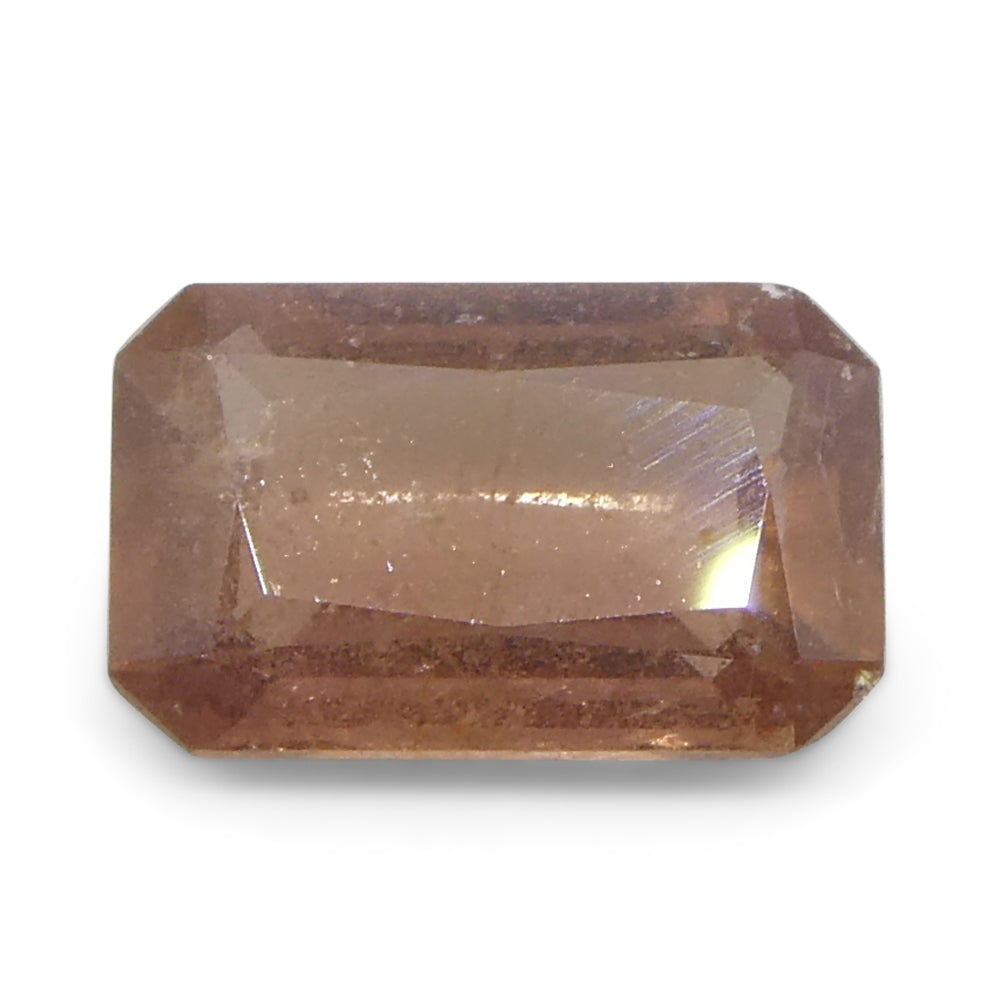
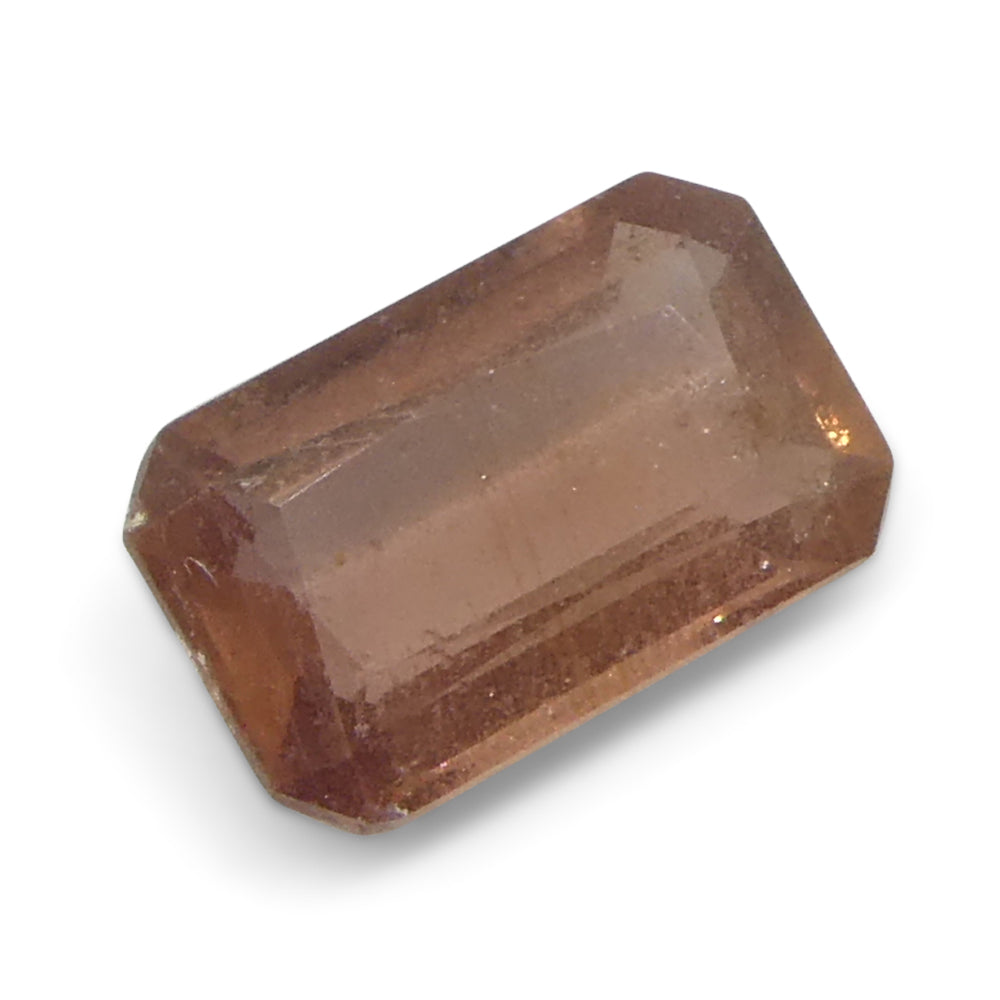
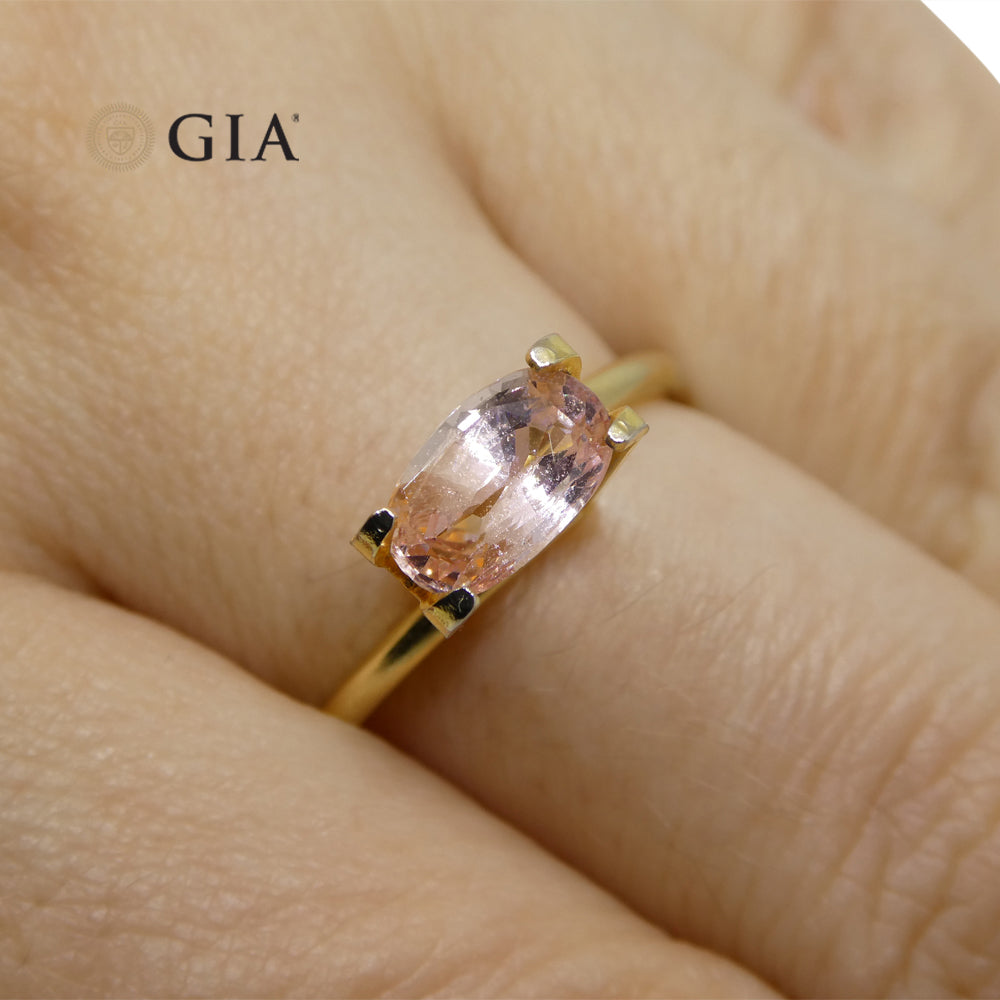
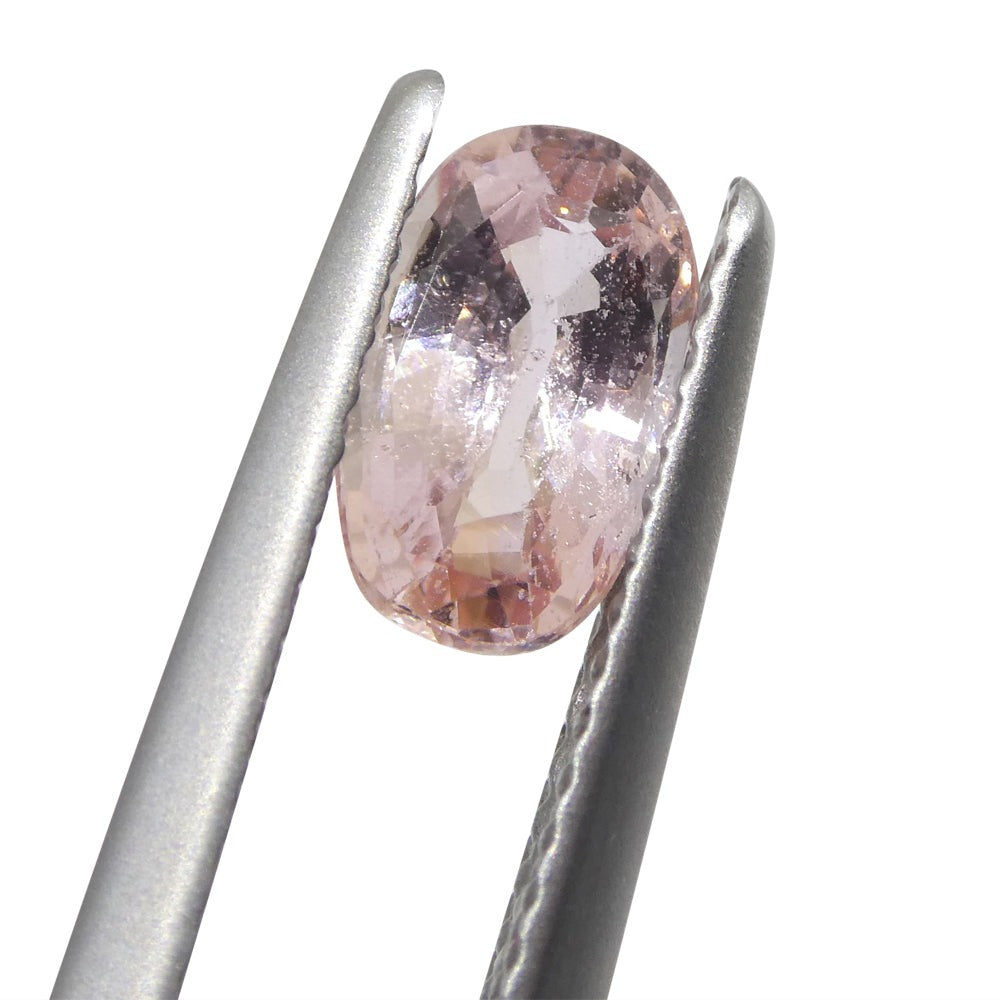
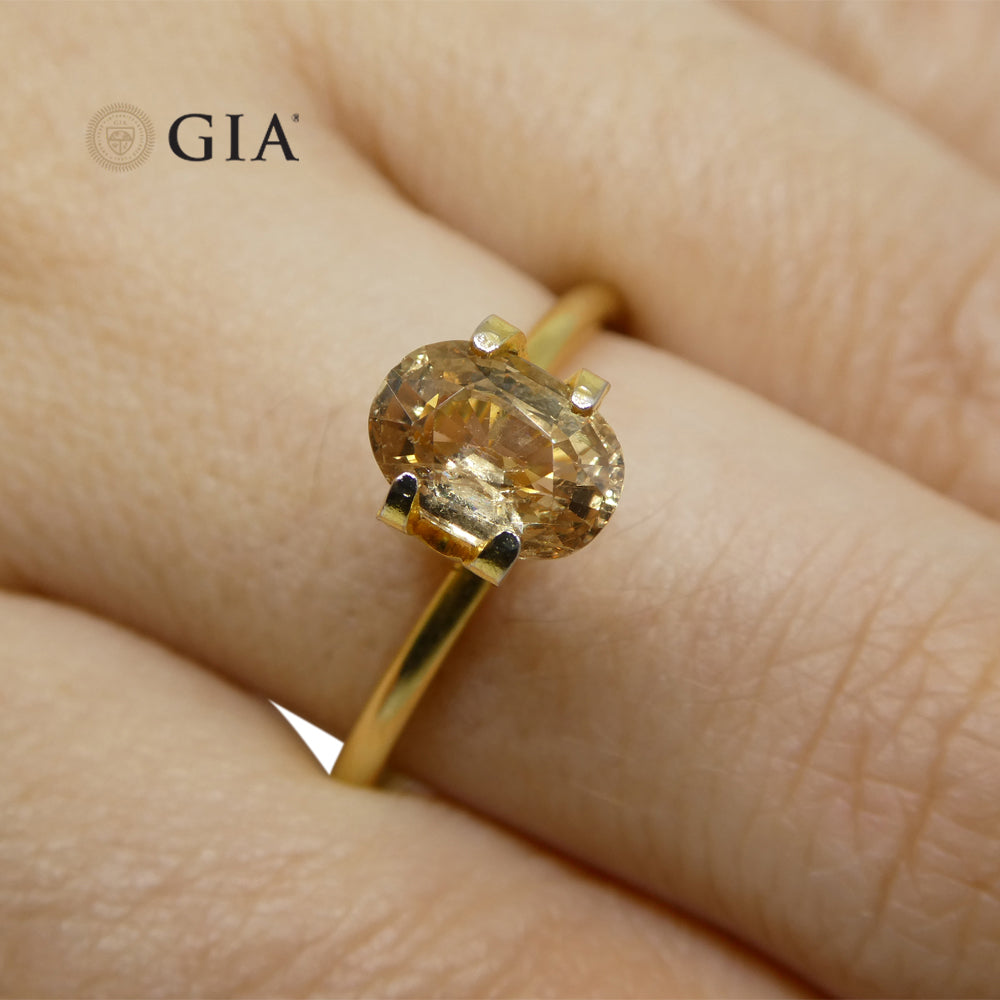
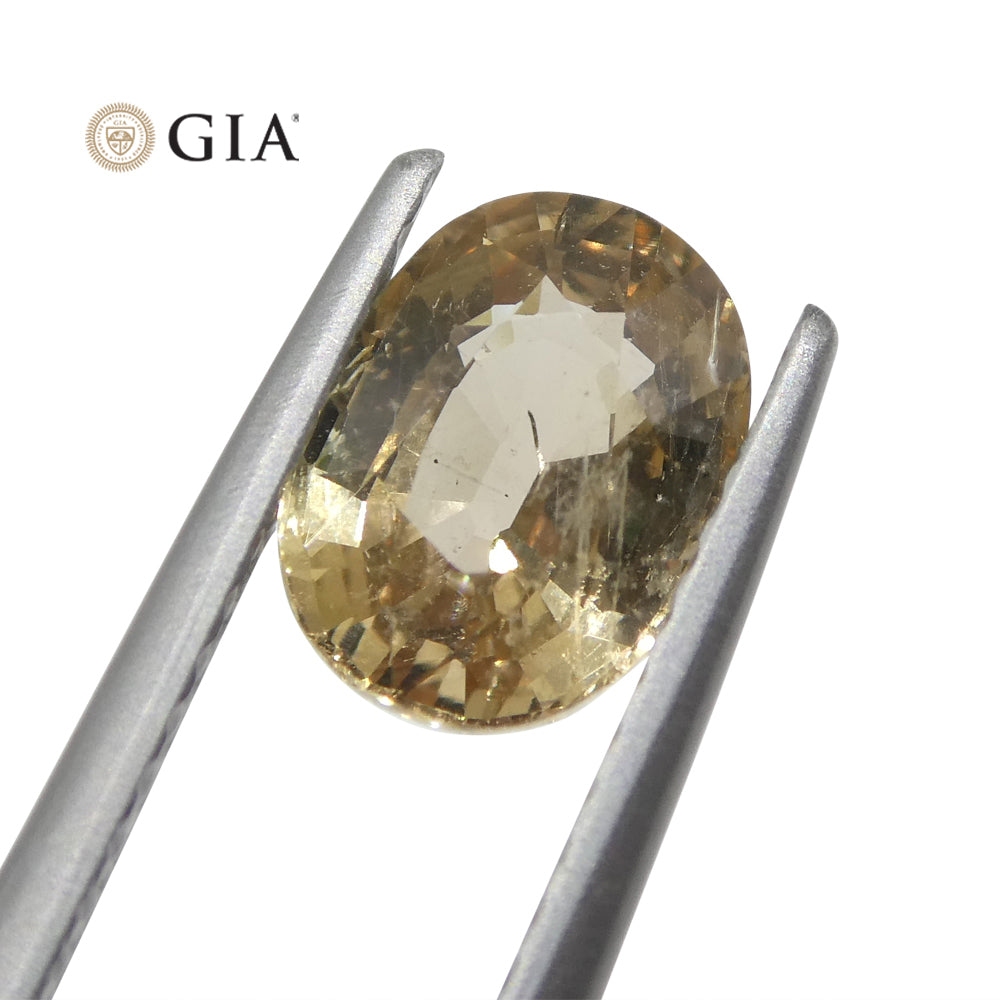
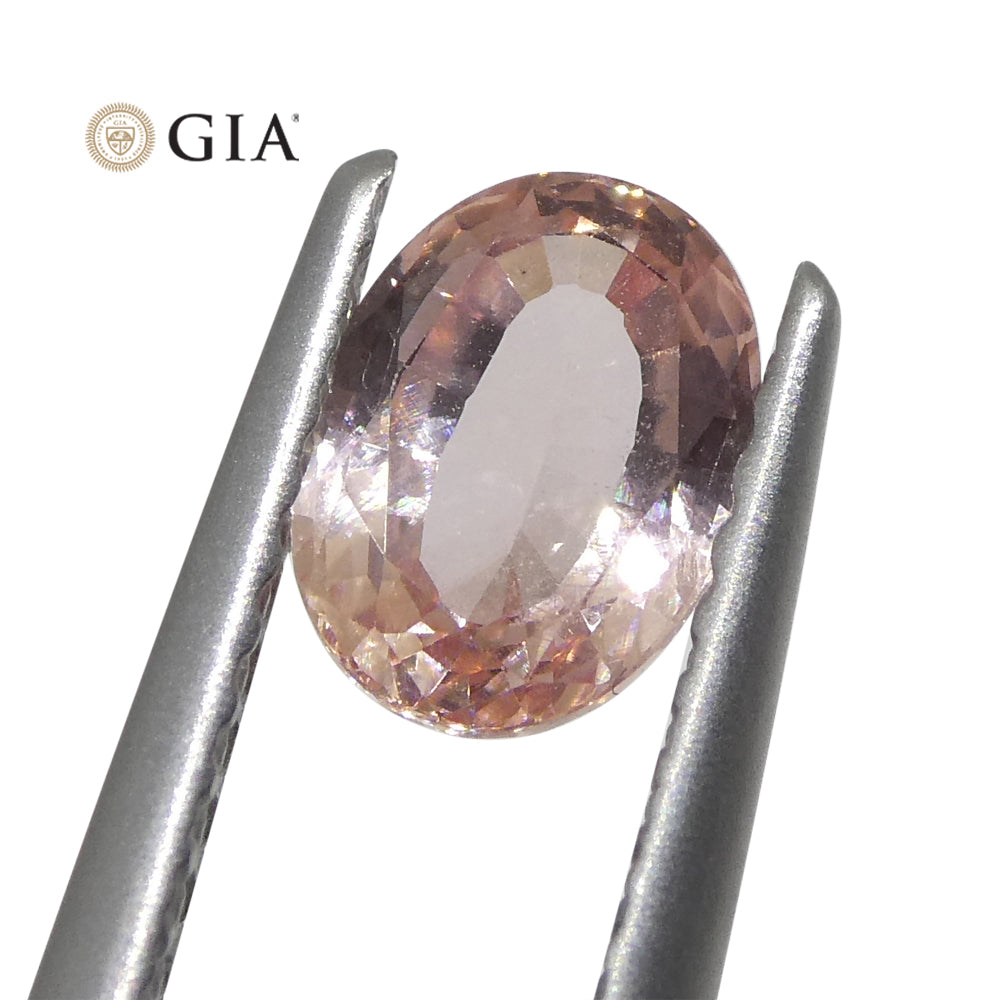


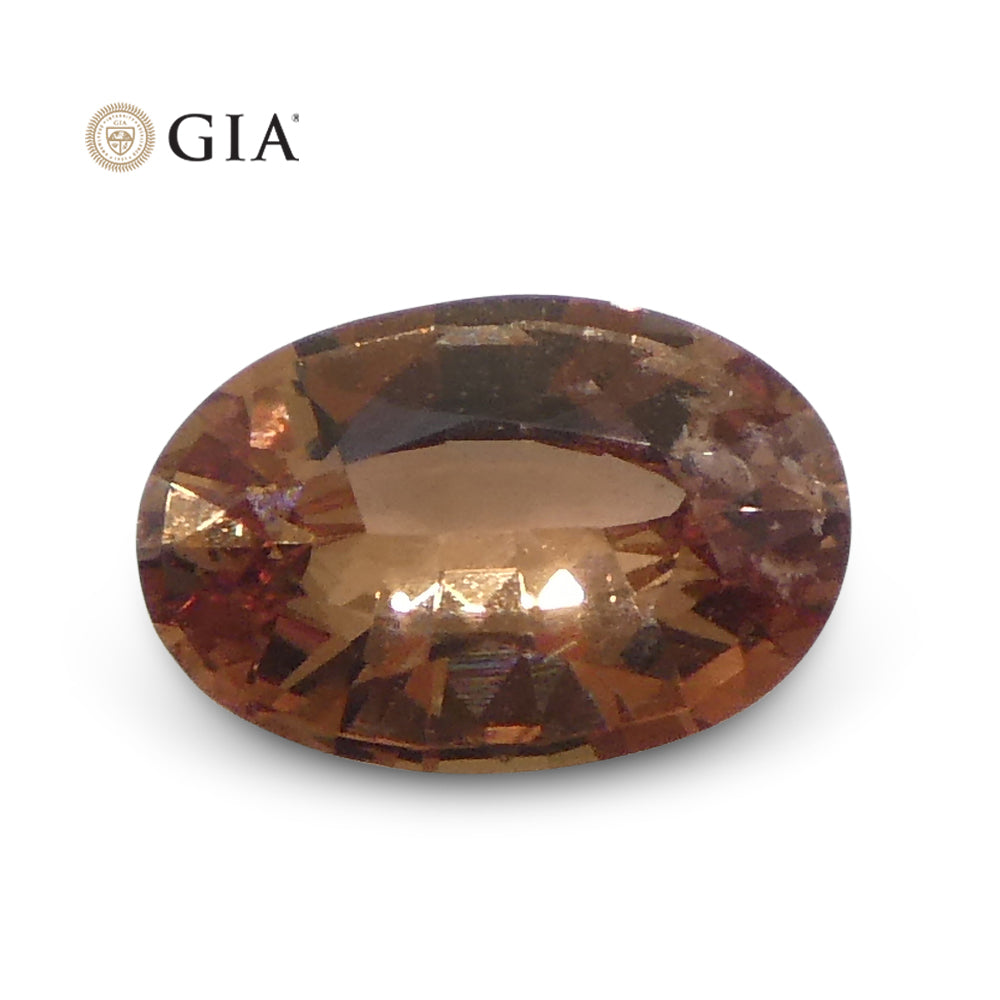
More about Padparadscha
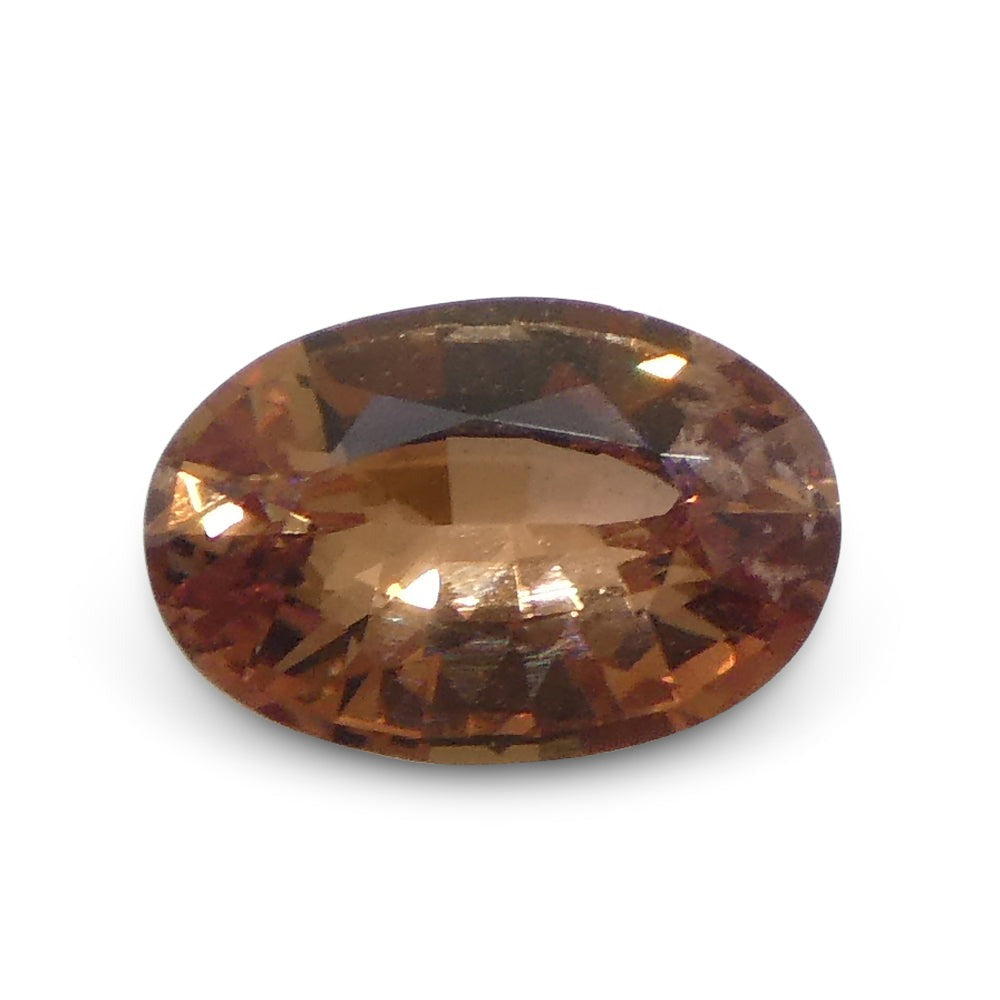
Padparadscha is a sapphire — the same mineral as a blue one, corundum — but it's the one colour of sapphire that gets its own name, and there's a reason for that. The name comes from the Sinhalese word for the lotus blossom, and that's the target: a soft, glowing blend of pink and orange, like a sunset sitting inside the stone. Get it right and there's nothing else like it. The catch is that "right" is genuinely hard to pin down, which is half of what makes these stones so scarce.
Here's the honest bit most people never hear. The major labs don't fully agree on where padparadscha starts and stops. Everyone accepts it has to be a pink-and-orange mix, but how much pink, how much orange, how dark, how saturated — the boundaries shift from lab to lab, and a stone that earns the padparadscha name on one report can come back as "pink-orange sapphire" on another. So the word on a certificate is doing real work. When we hand you a stone certified by GIA New York, you're getting one of the most conservative calls in the trade — GIA doesn't give that name away.
That disagreement is exactly why even good jewellers struggle to source these. A blue sapphire, a jeweller can phone in. A true padparadscha they often can't find at all — the supply is thin, the colour is a moving target, and the certified ones get spoken for fast. It's why people travel for them. We're a Toronto dealer holding 16 loose padparadschas right now, 6 of them certified by GIA New York, with more in the vault — that's a real depth in a stone most shops can't put a single example of on the counter.
On treatment, we'll always tell you straight. The vast majority of padparadscha sapphires on the market — ours included unless a report says otherwise — are gently heated, a standard, stable, permanent practice that's been used on sapphire for centuries. Genuinely unheated padparadschas exist and command a premium, and where a stone is unheated its lab report will say so. Either way you'll know before you choose, because the report comes with the stone.
More questions
What separates a true padparadscha from a regular pink-orange sapphire?
It's the balance and the name on the paper. A true padparadscha holds both pink and orange together in a soft, lotus-like glow — not mostly-pink with a hint of warmth, and not a bold orange. Because the labs draw that line slightly differently, the most reliable shortcut is a report from a conservative lab. Our GIA-New-York-certified stones have cleared that bar; come in and we'll show you side by side why one earns the name and another, just as pretty, lands as "pink-orange sapphire" instead — and costs accordingly.
Why are padparadscha sapphires so much rarer than blue ones?
Two reasons stacked on top of each other. First, the colour itself is uncommon in nature — that specific pink-orange mix is a rare accident of chemistry. Second, the definition is narrow and disputed, so even among warm sapphires only a slice qualify for the name. Thin supply plus a tight, contested boundary is why your local jeweller likely can't get one, and why holding 16 at once — 6 GIA-certified — is unusual for a Toronto dealer.
Are your padparadscha sapphires heated, and does that matter?
Most are gently heated, and we disclose it on every stone. Heating is a long-standing, permanent, widely accepted treatment that helps colour and clarity — it doesn't make the stone less real, and it's the norm for almost all sapphire you'll ever see. Unheated padparadschas are rarer and priced higher; if a stone is unheated, its lab report says so plainly. We'll never blur that line — you'll have the treatment in front of you before you decide.
Can I see the actual stone before I commit?
Yes, and with a stone this subjective you really should. Padparadscha colour shifts with the light and is genuinely hard to judge from a photo on a screen. Book a viewing or walk in to 27 Queen St East, Suite 1011, sit down with the loose stones under proper light, and compare them in your own hand. We'll talk you through the colour, the origin, and the treatment on each one — no pressure to pick that day.
I already have a jeweller — can I just buy the padparadscha?
Of course. If you've found a padparadscha you love and you've already got a jeweller you trust, come in, choose the right stone, and take it to them — we're glad to simply sell you the gem. We sell wholesale, straight to the public, so it's a sensible way to start with a certified stone and have your own jeweller set it. If you'd rather we built the ring here in Toronto, we can do that too.
Do you deliver padparadscha sapphires outside Toronto?
We do. There's complimentary insured delivery within Canada and the United States, so you can buy with confidence from anywhere in either country, with the stone's lab report in the parcel. Shipping further afield can be arranged on request. Coloured-gemstone specialists since 1967.