
Ruby
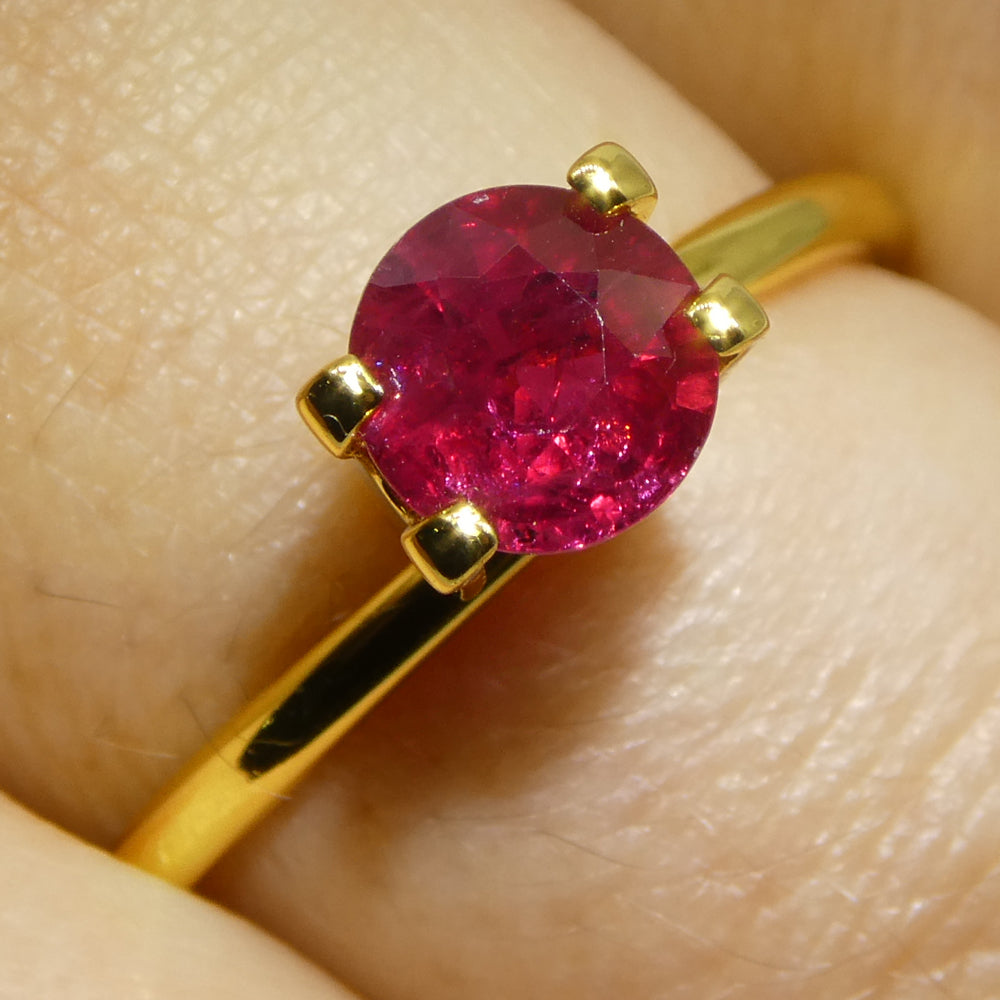
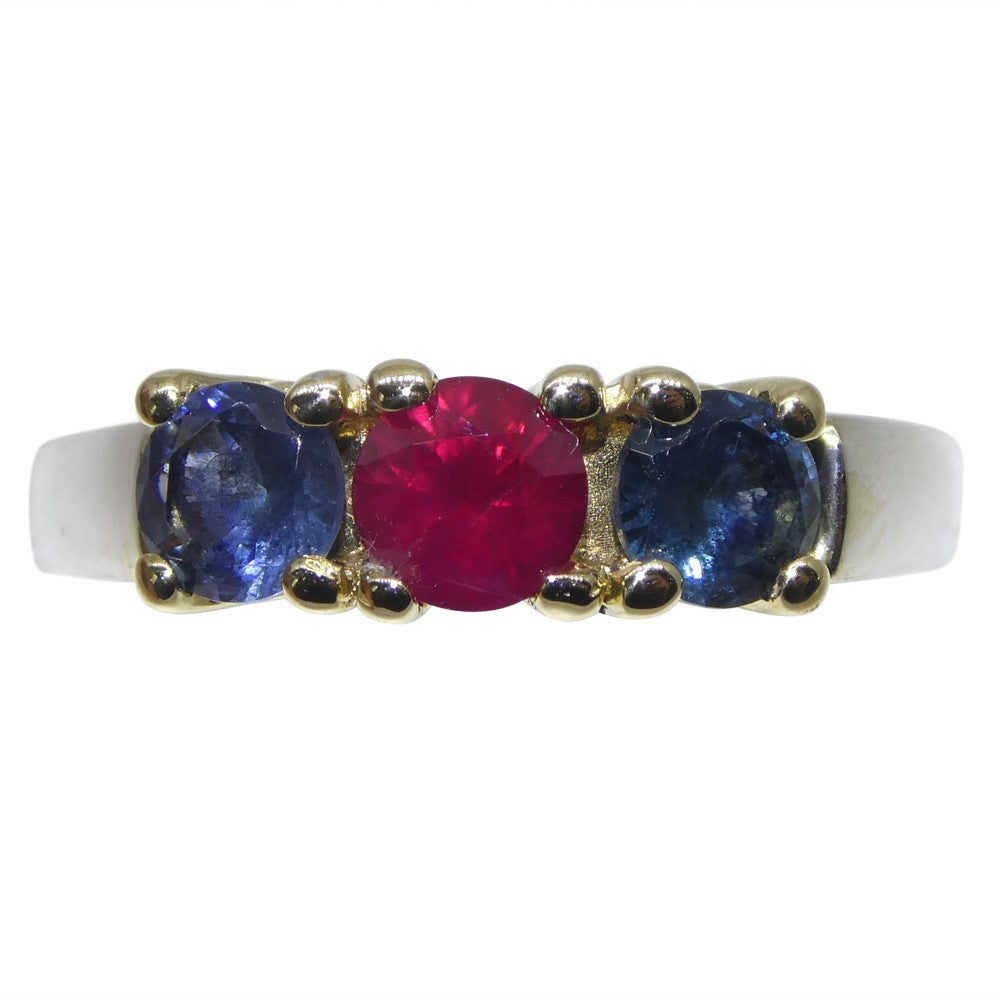
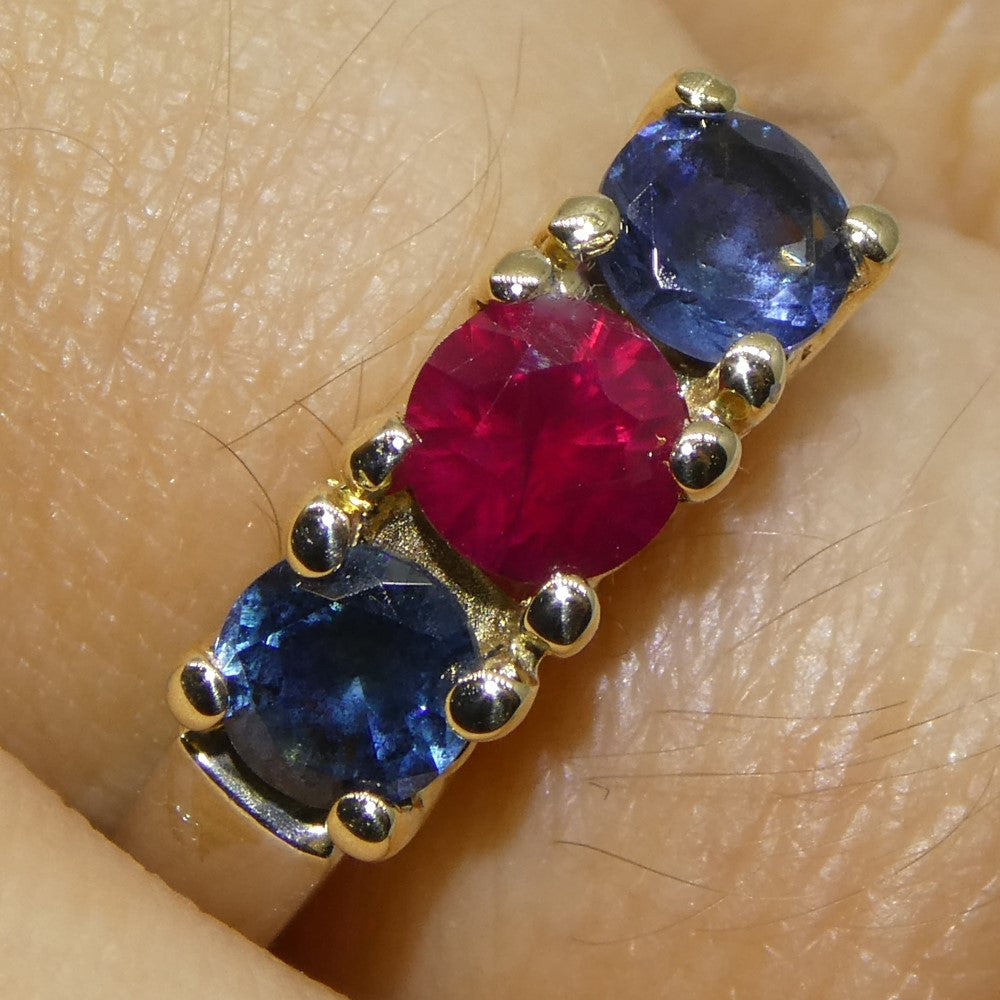
Custom Ruby Rings in Toronto, Made Around Your Stone
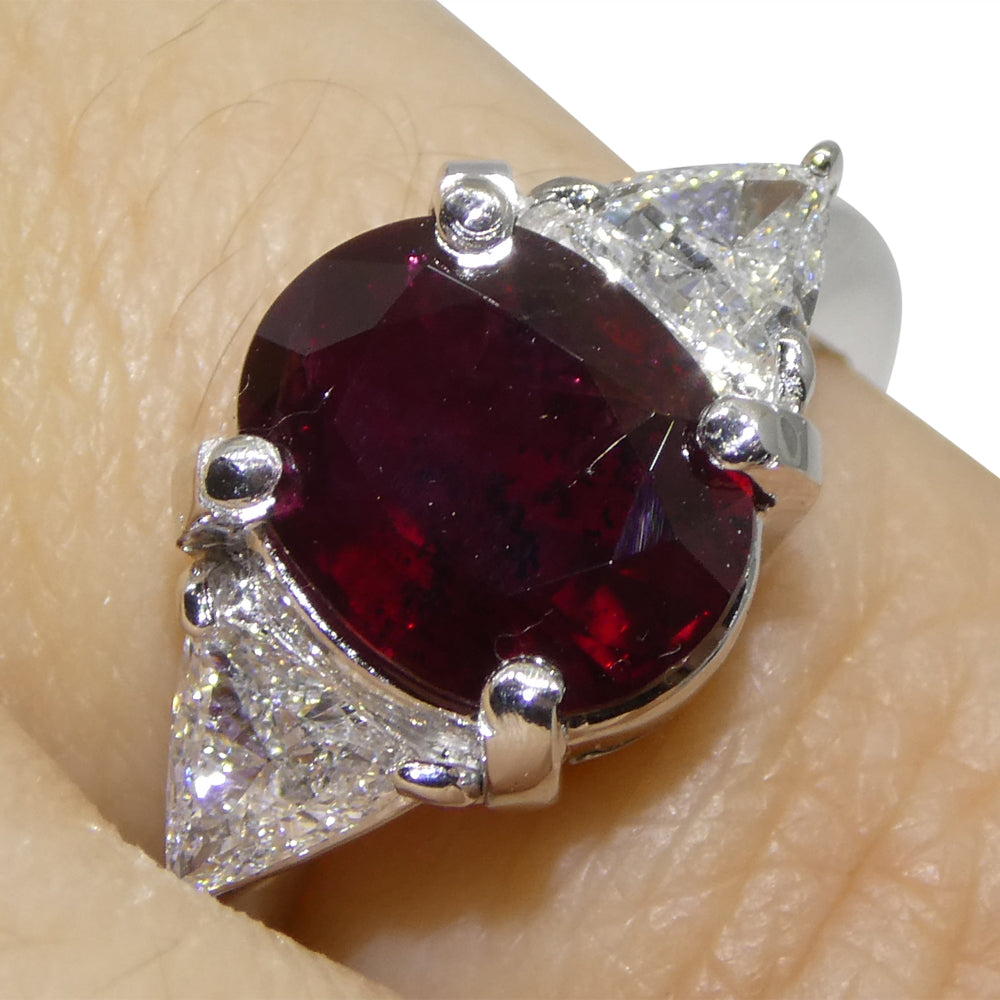
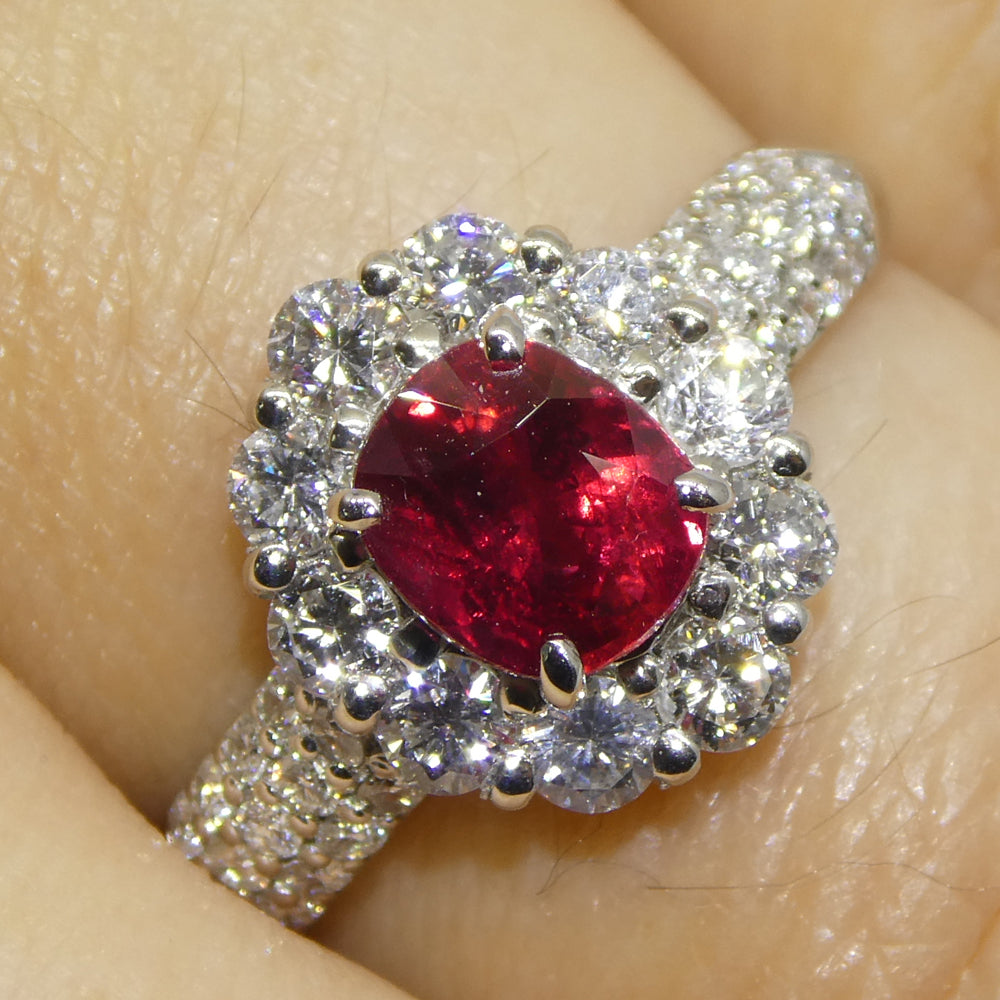
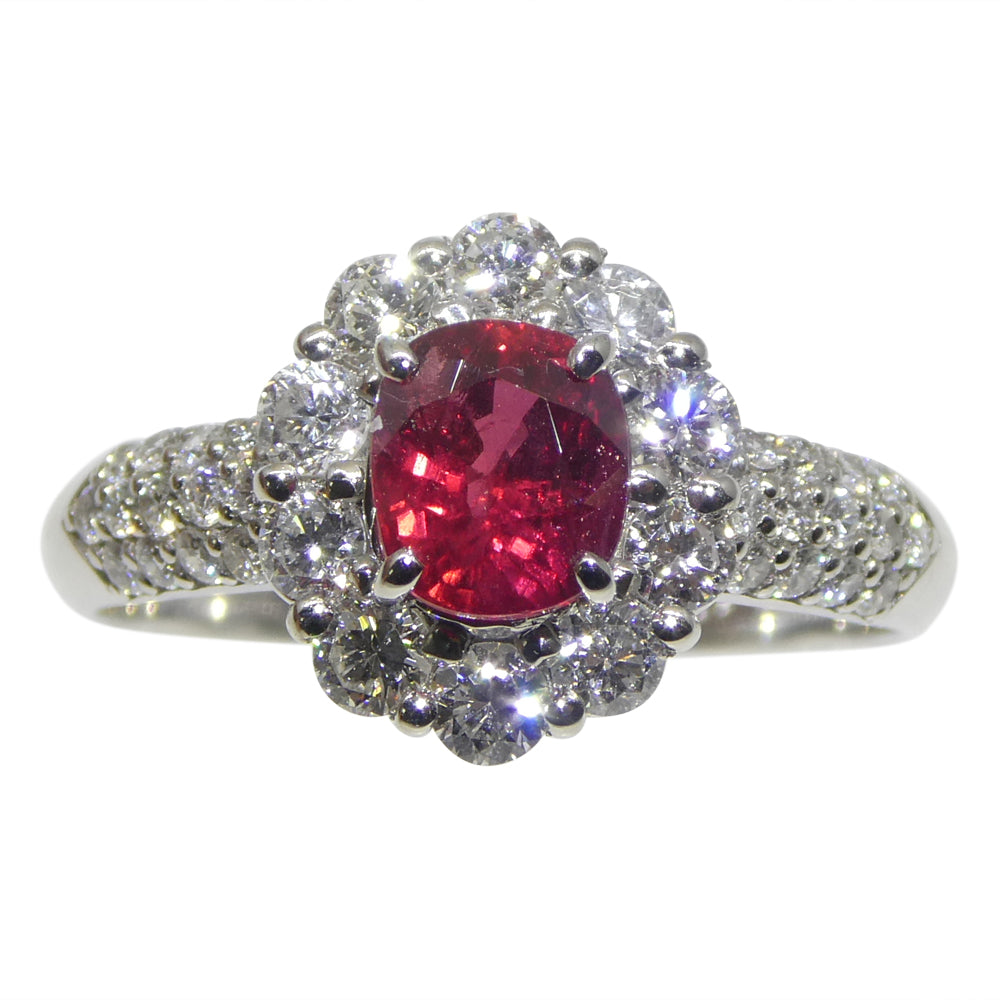
Come and sit with our rubies — 50+ in stock, over a dozen certified by GIA New York, heated and unheated. Pick the one you love and we'll build your ring by hand in Toronto. Wholesale, straight to the public, since 1967.
Frequently asked questions
Where can I get a custom ruby ring made in Toronto?
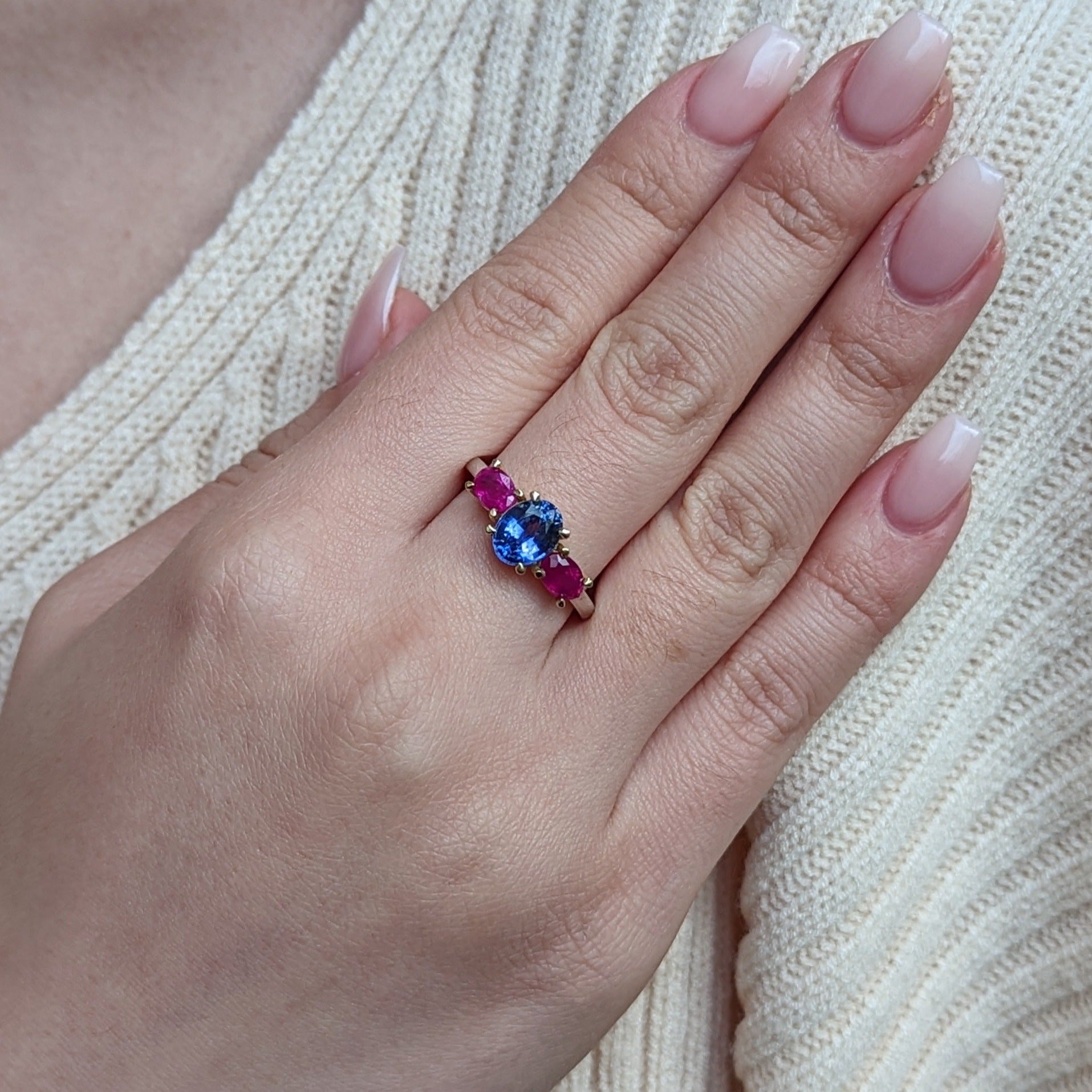
With us, at 27 Queen St East, Suite 1011. We list more than 50 rubies online — over a dozen certified by GIA New York — and keep more on hand than we've listed. Choose your stone in person and our master goldsmiths build the ring here in Toronto. We've been a family dealer since 1967.
Can I see loose rubies before I choose one?
Yes — that's how we like to do it. Book a viewing or walk in, sit down with the actual stones, and we'll tell you the origin and treatment of every ruby on the table.
Are your rubies GIA-certified?
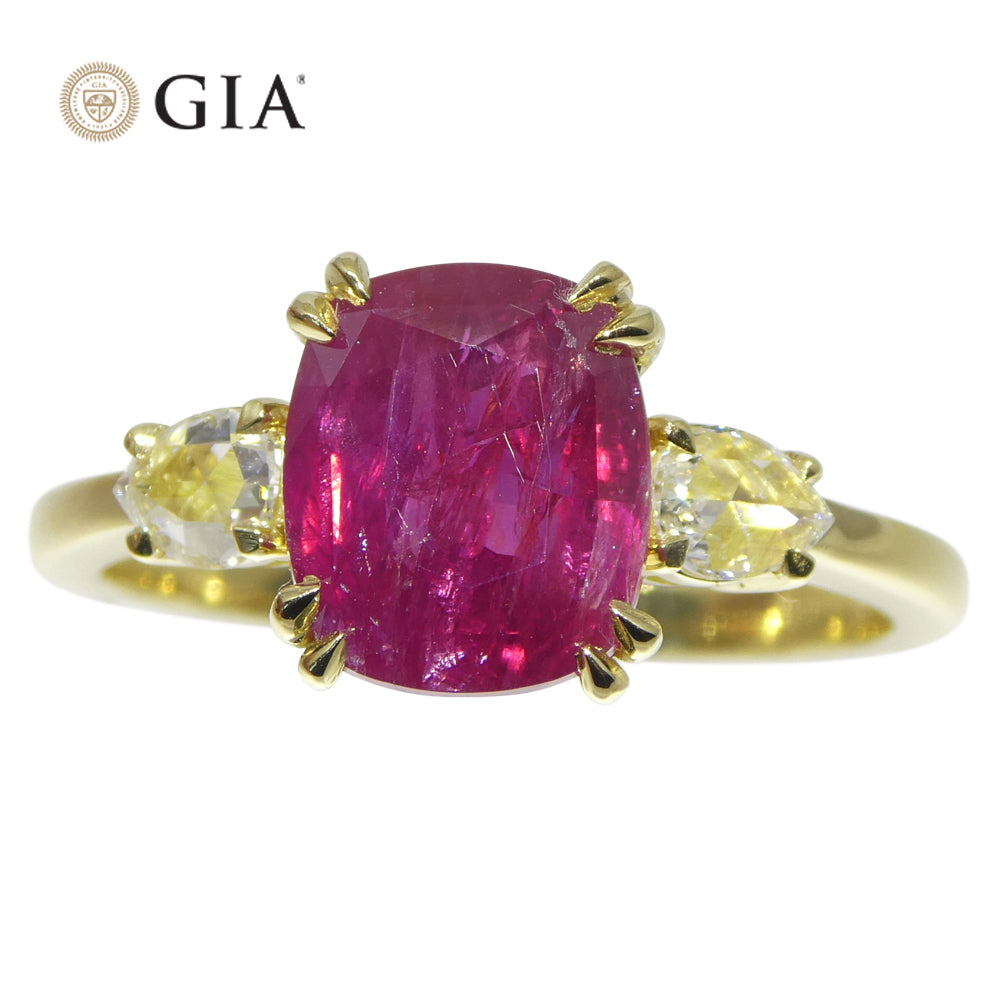
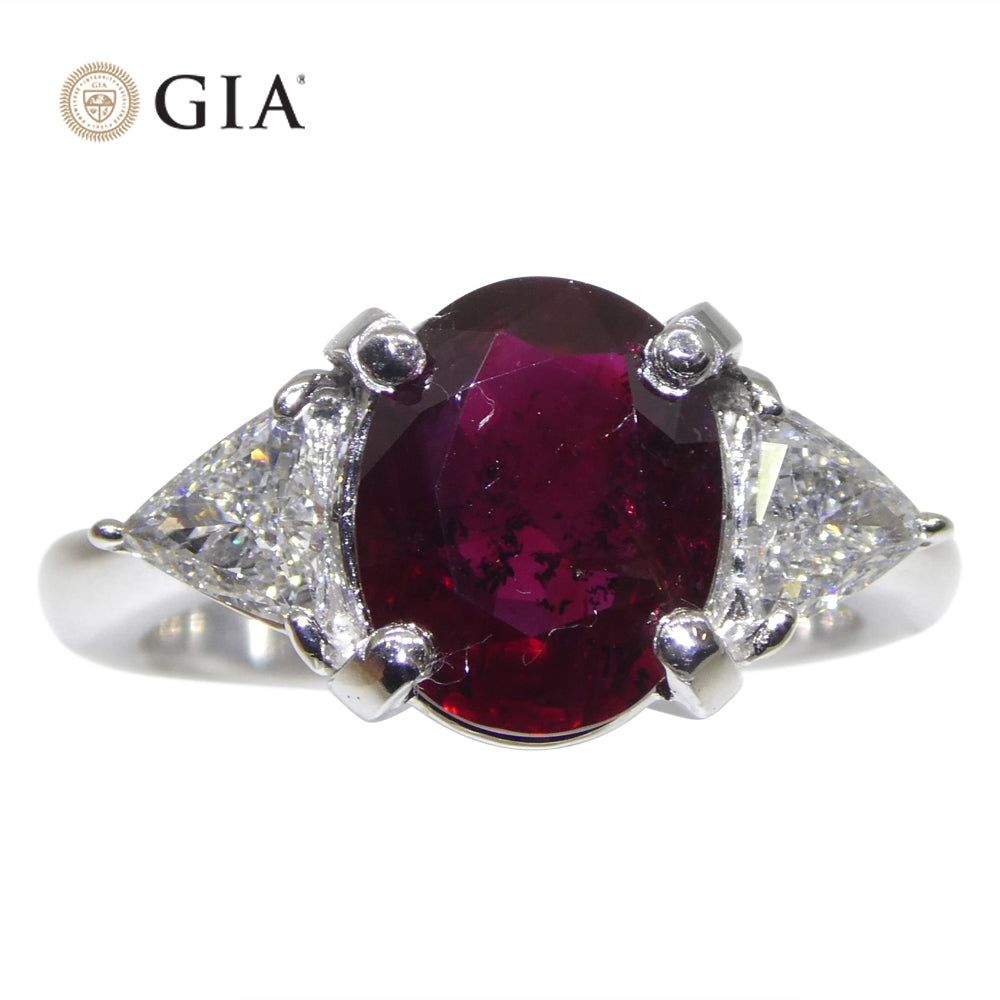
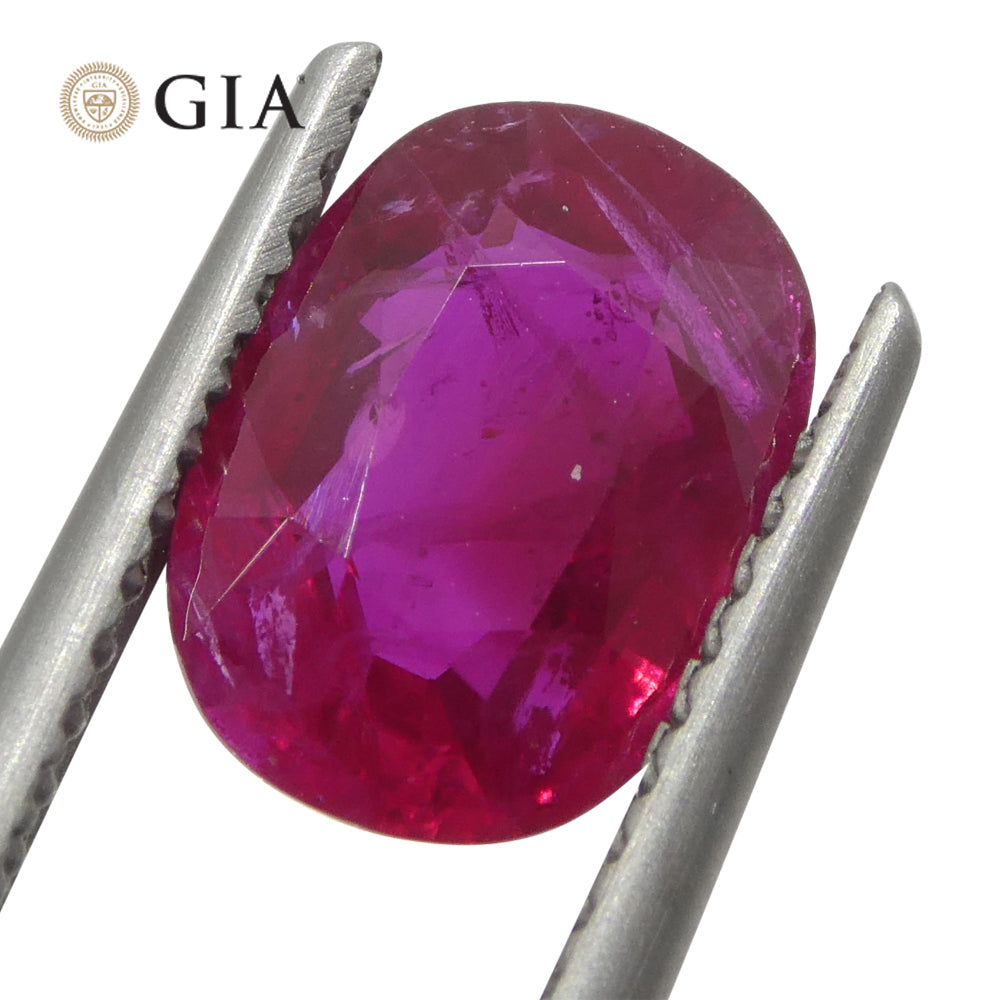
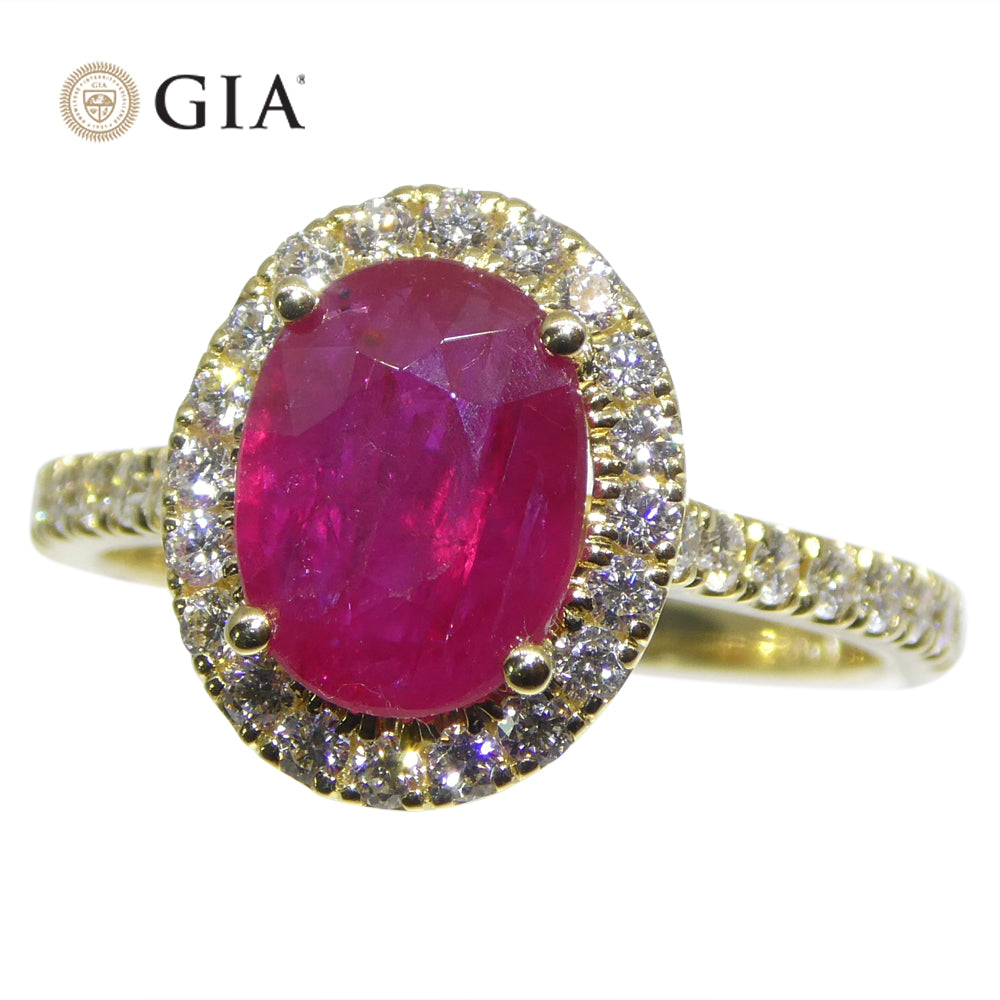
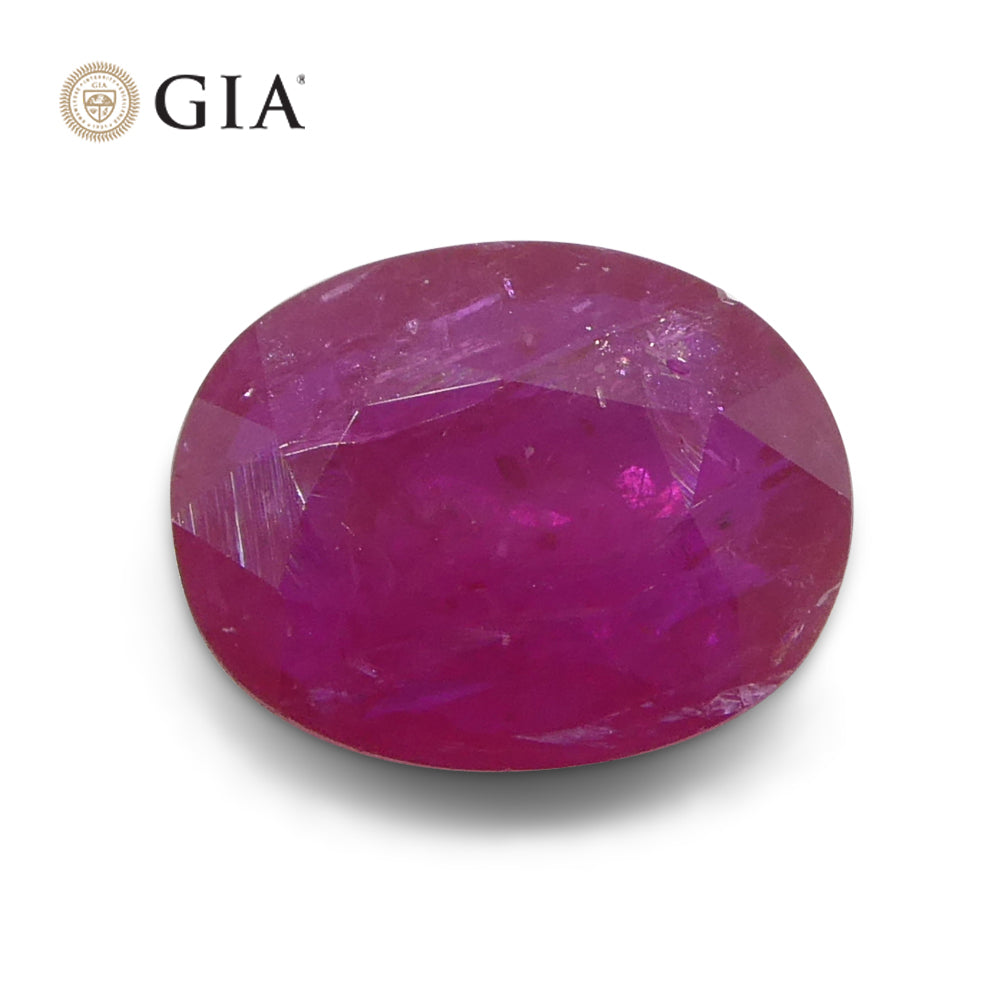
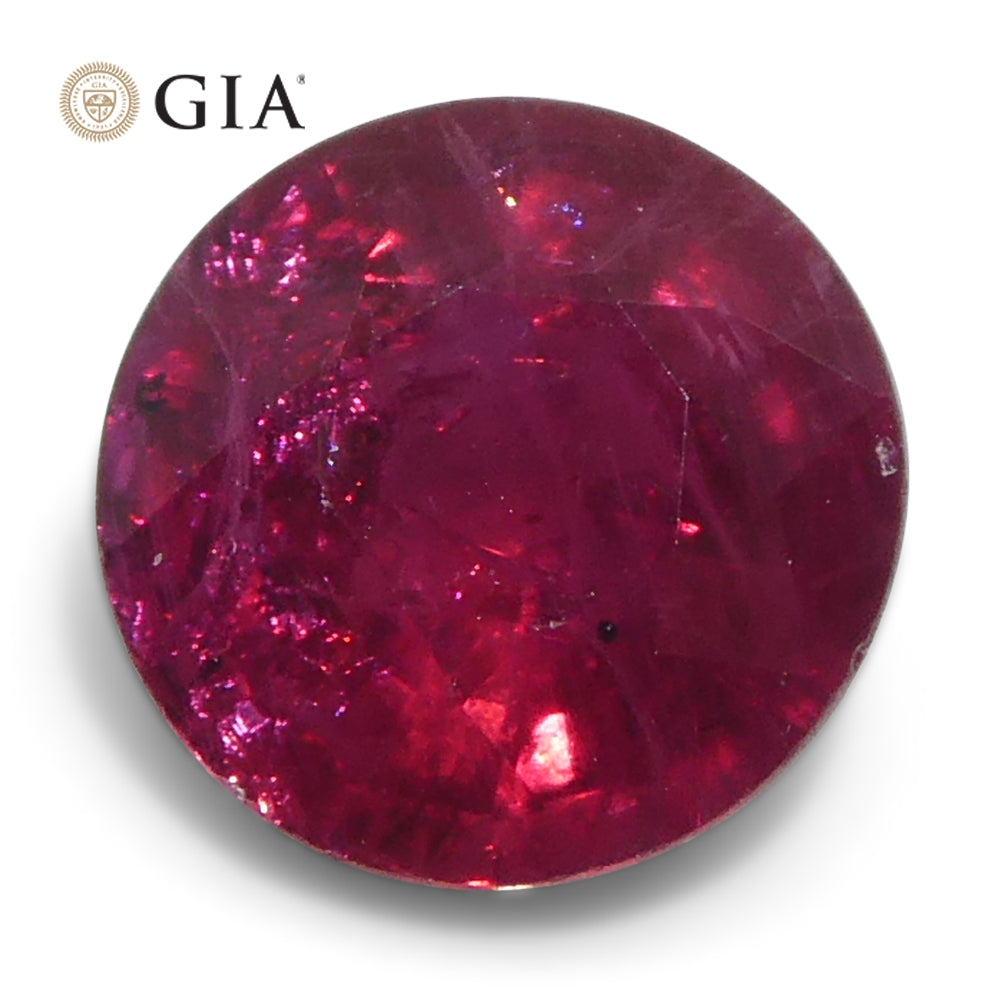
Many are — over a dozen of our rubies carry a GIA New York report, and every stone is graded on site by a GIA-certified specialist. The lab report comes with the stone.
Filters
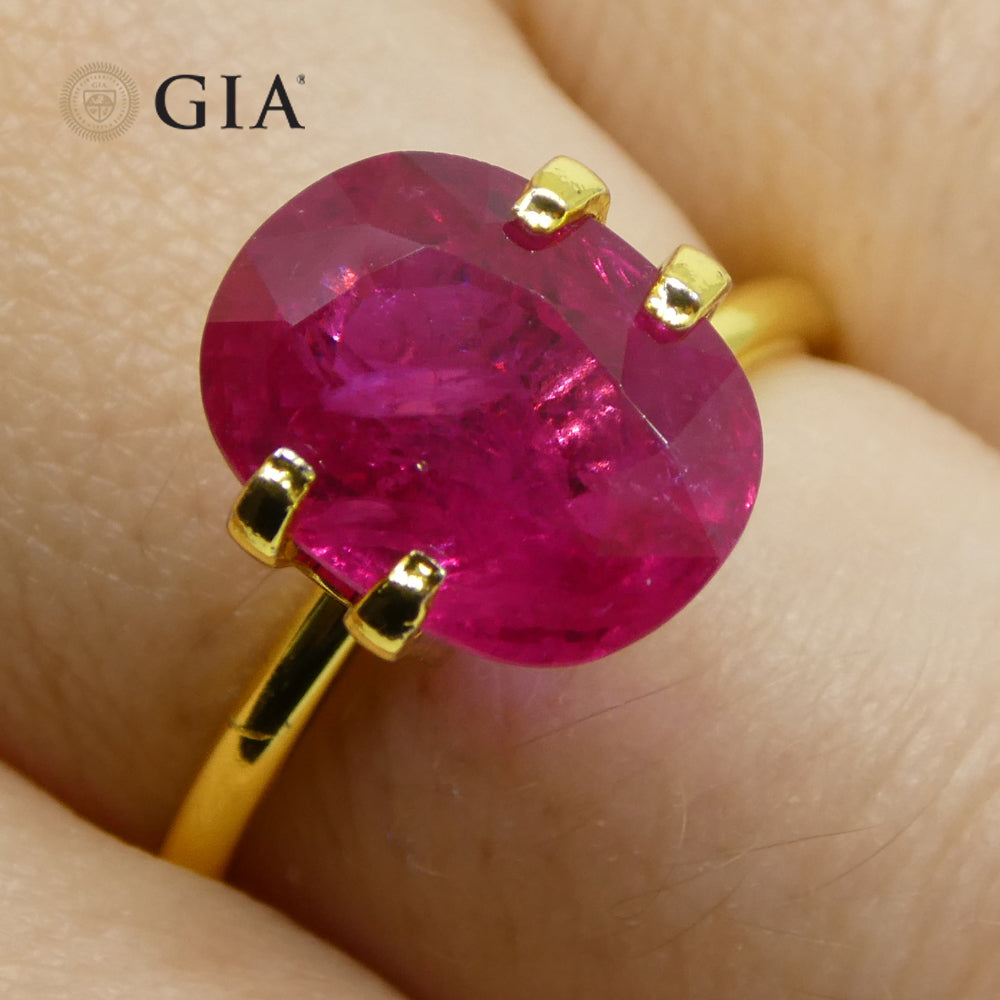
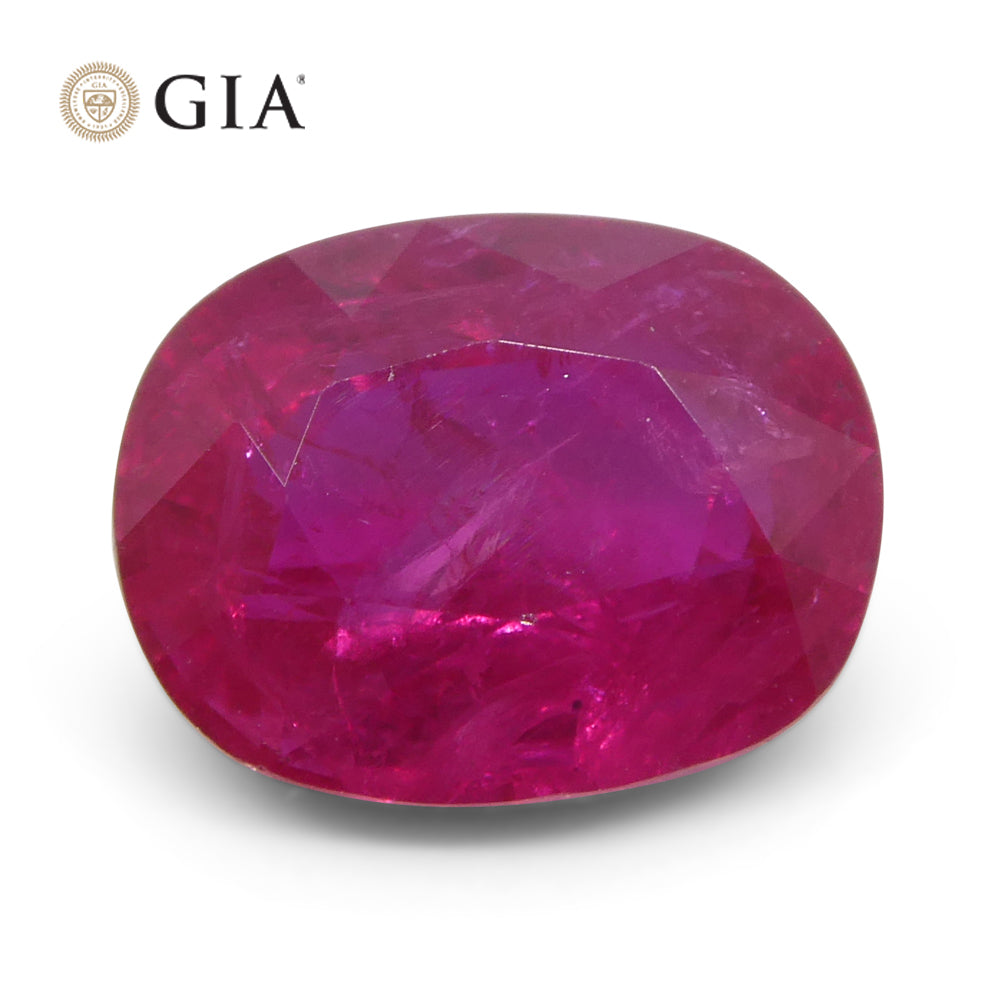




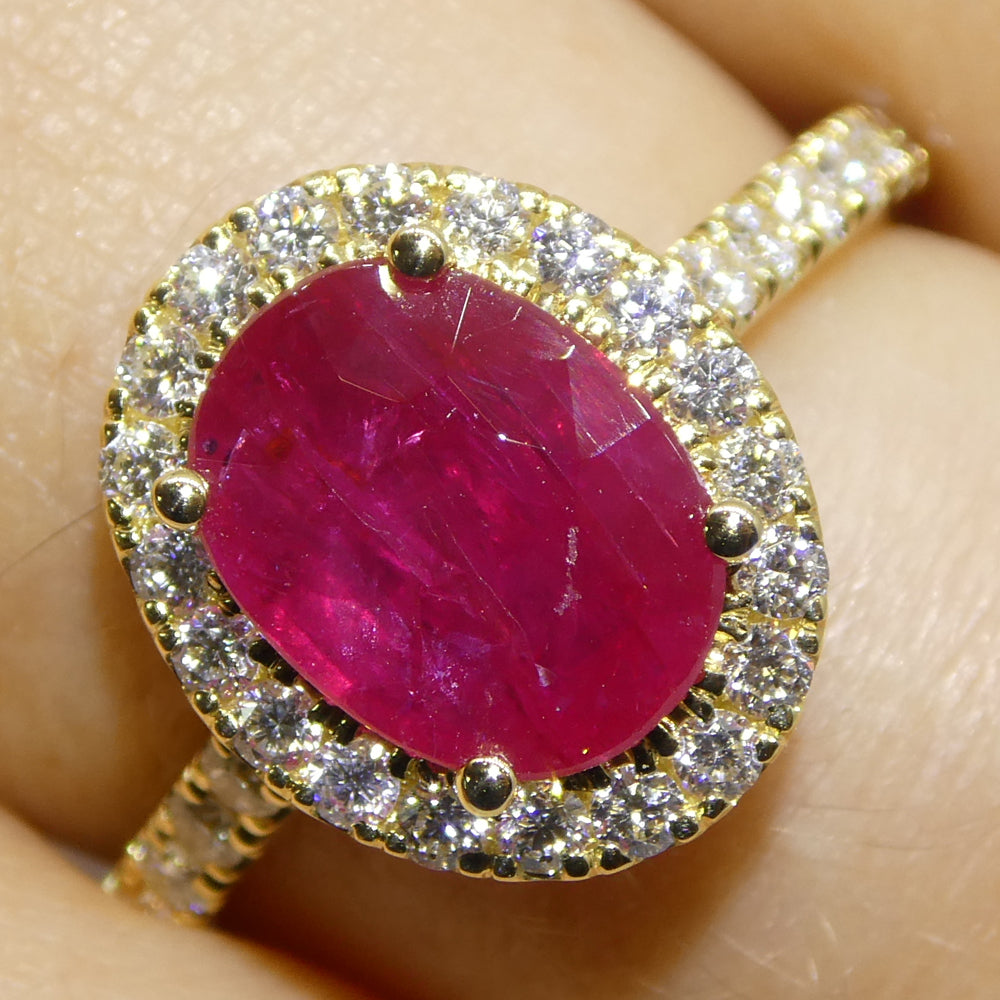
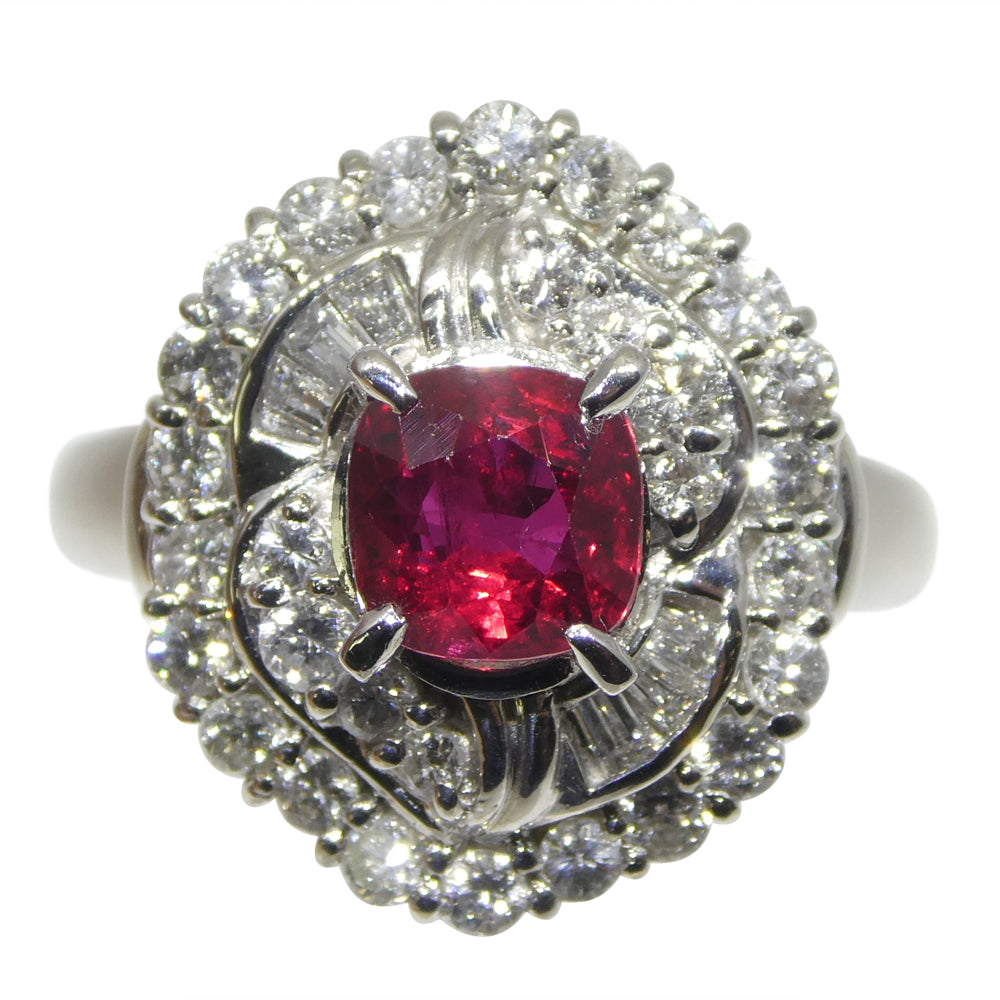
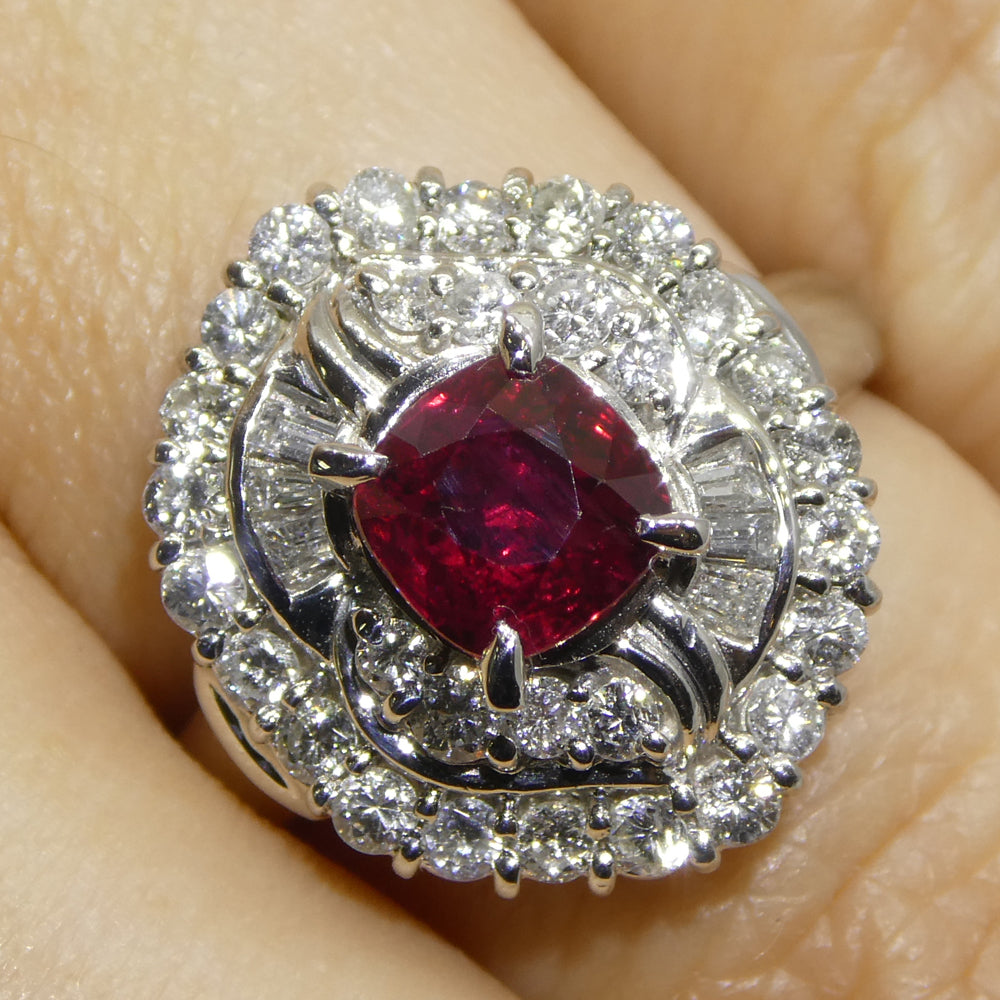
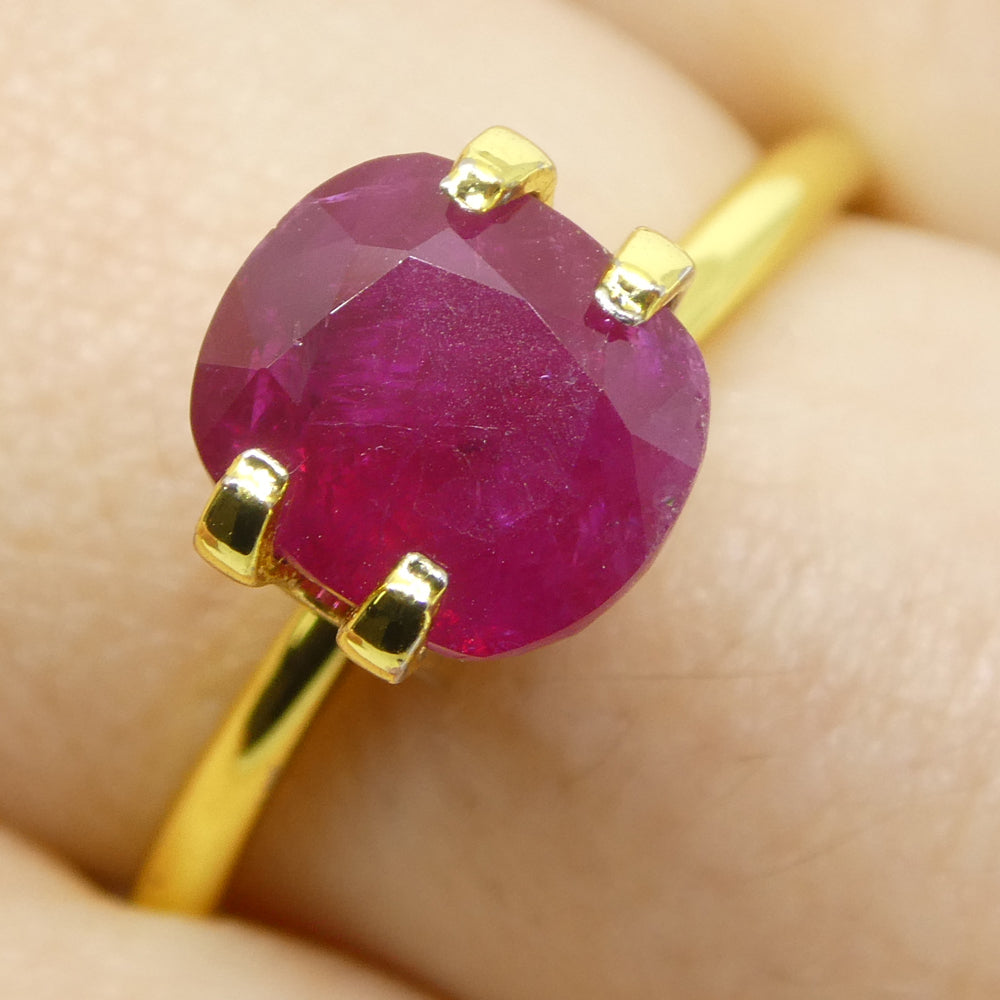


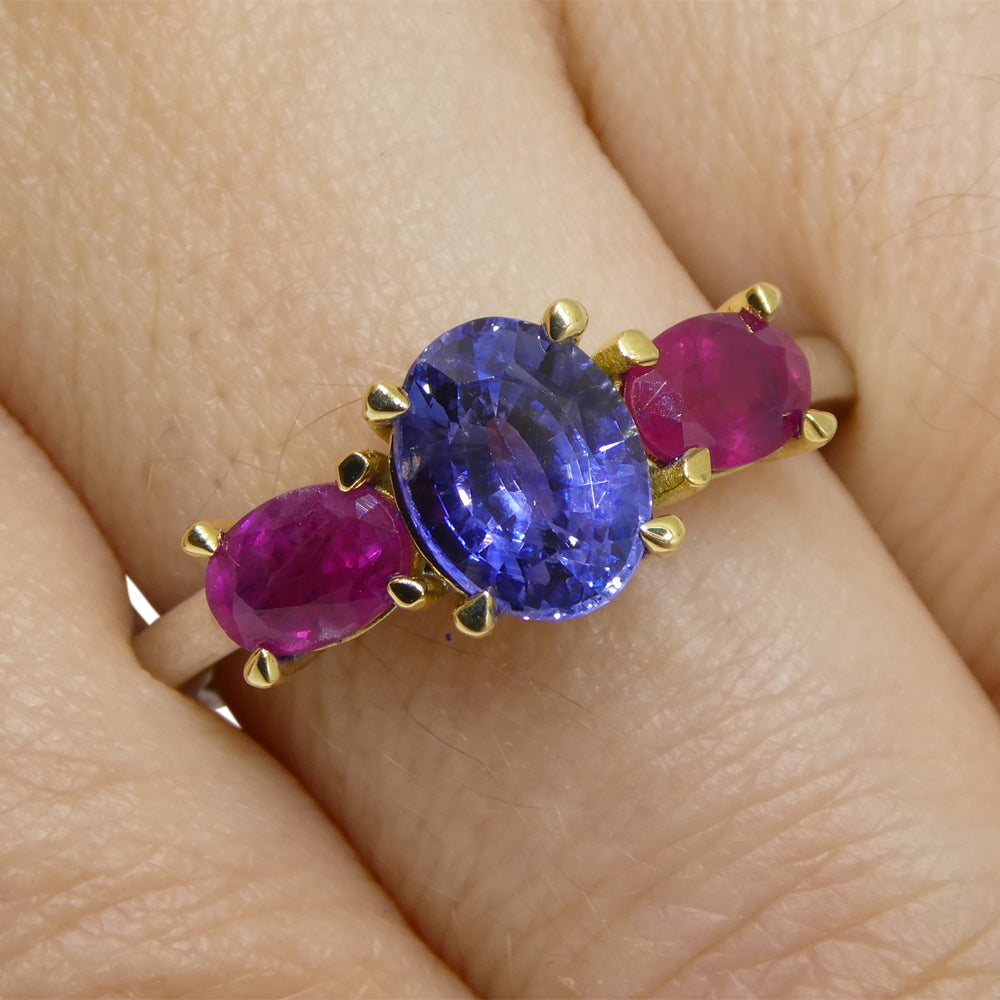


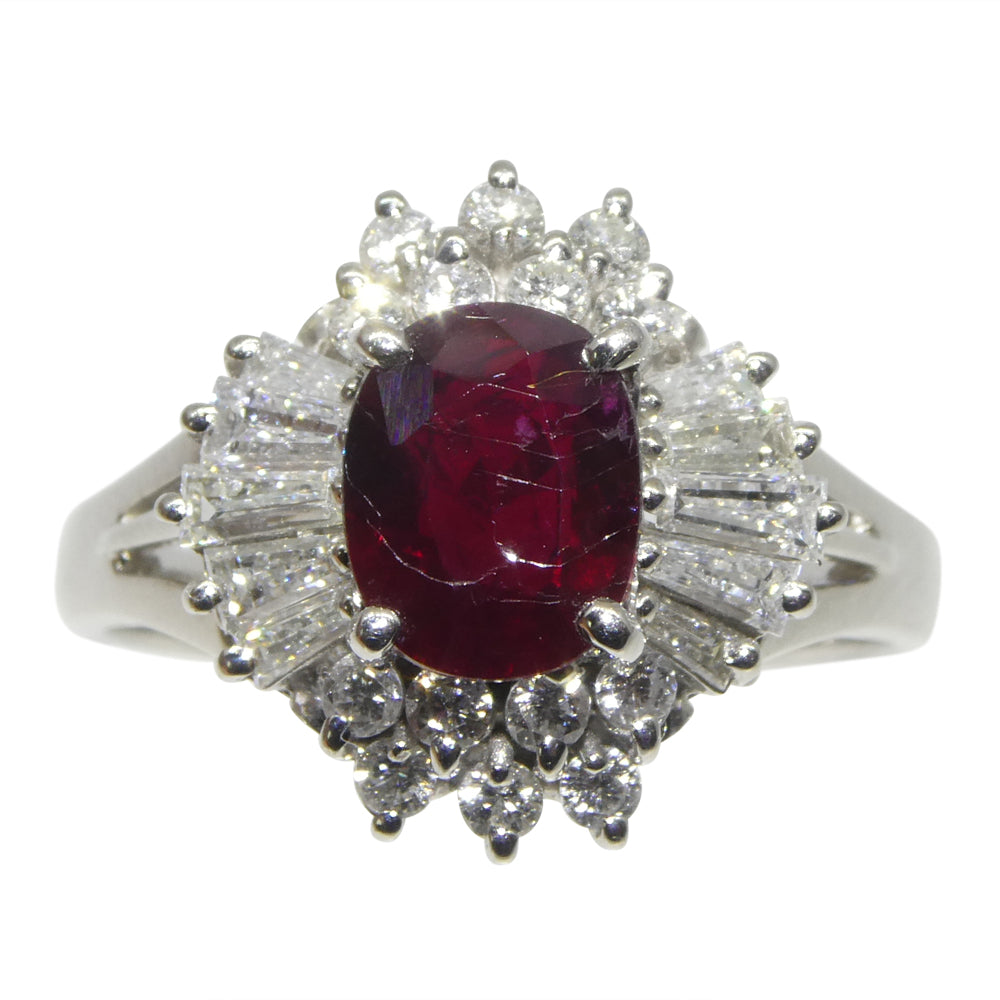
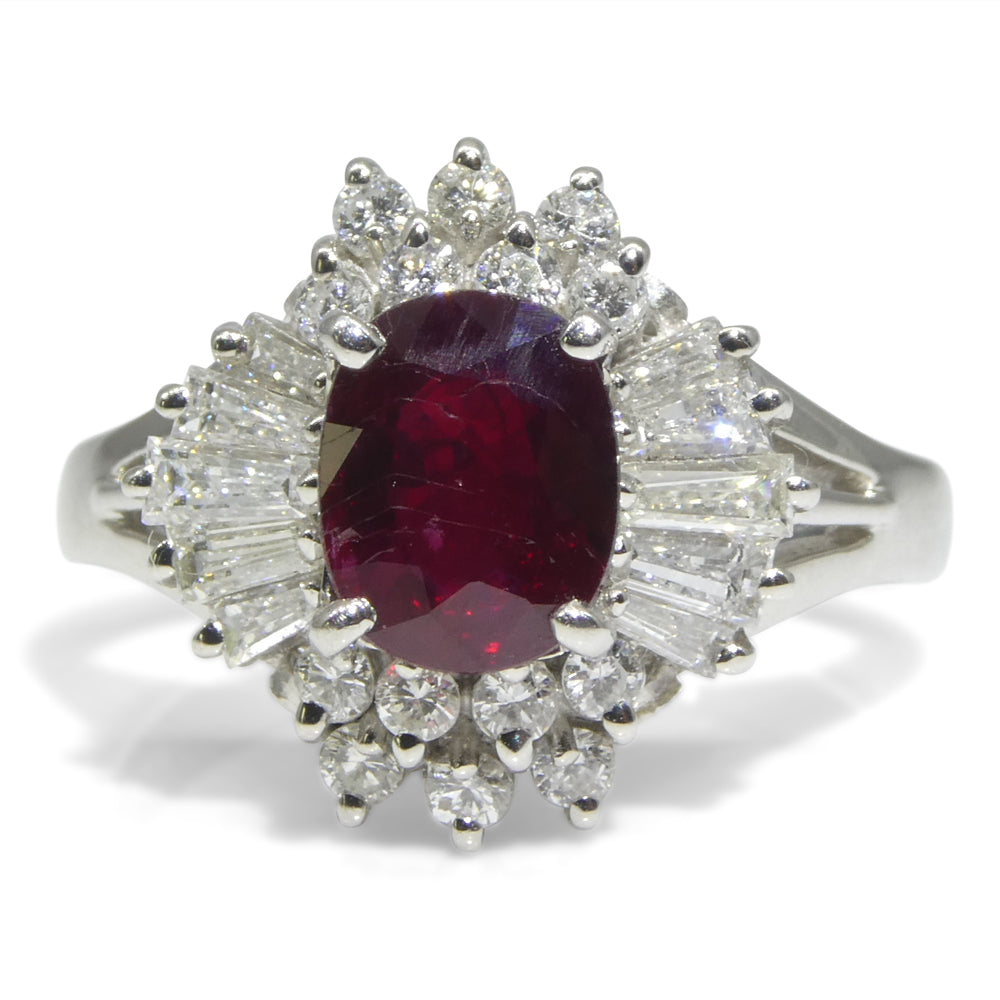


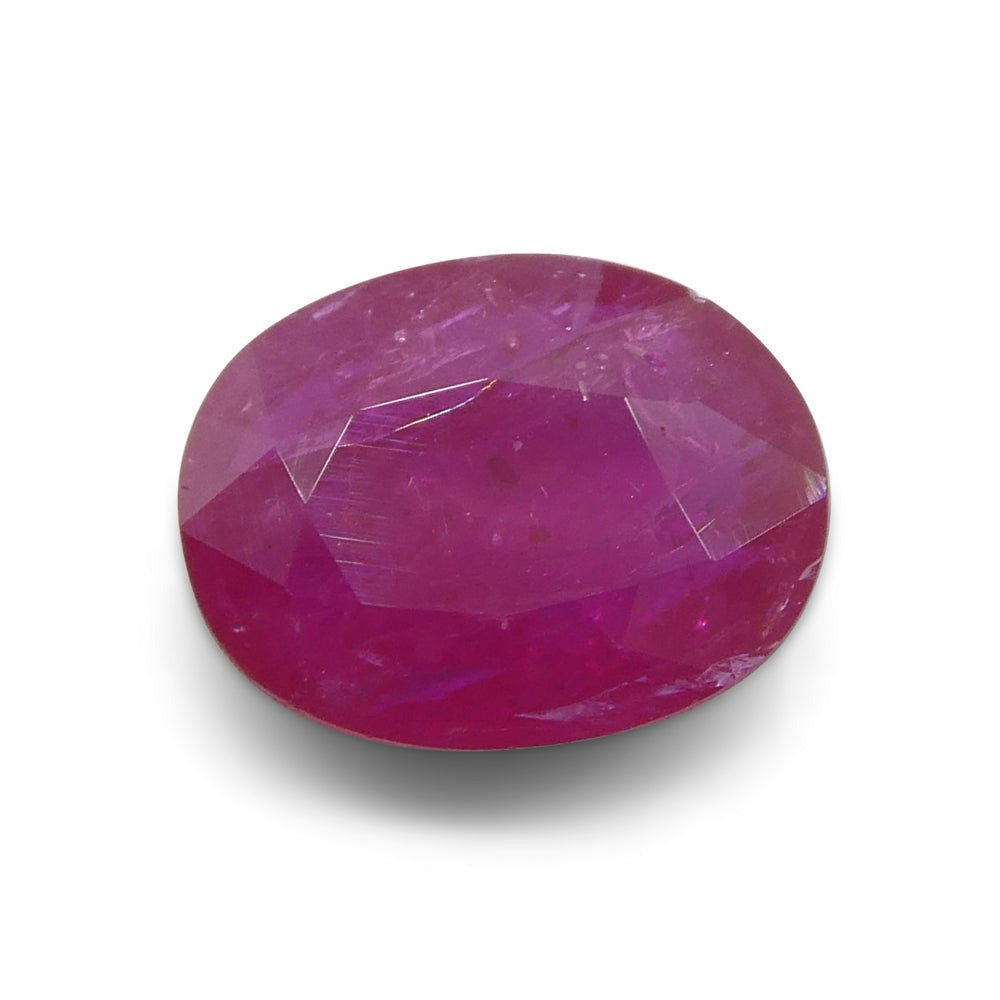


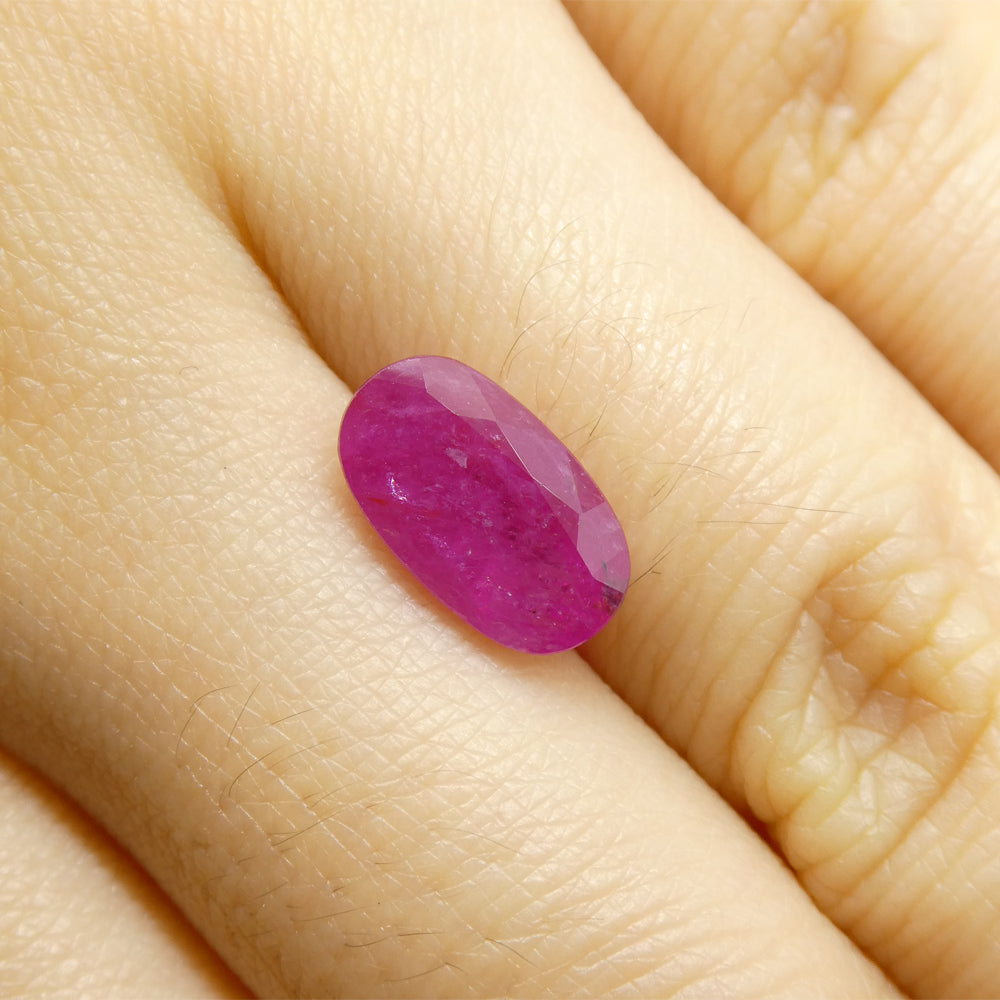
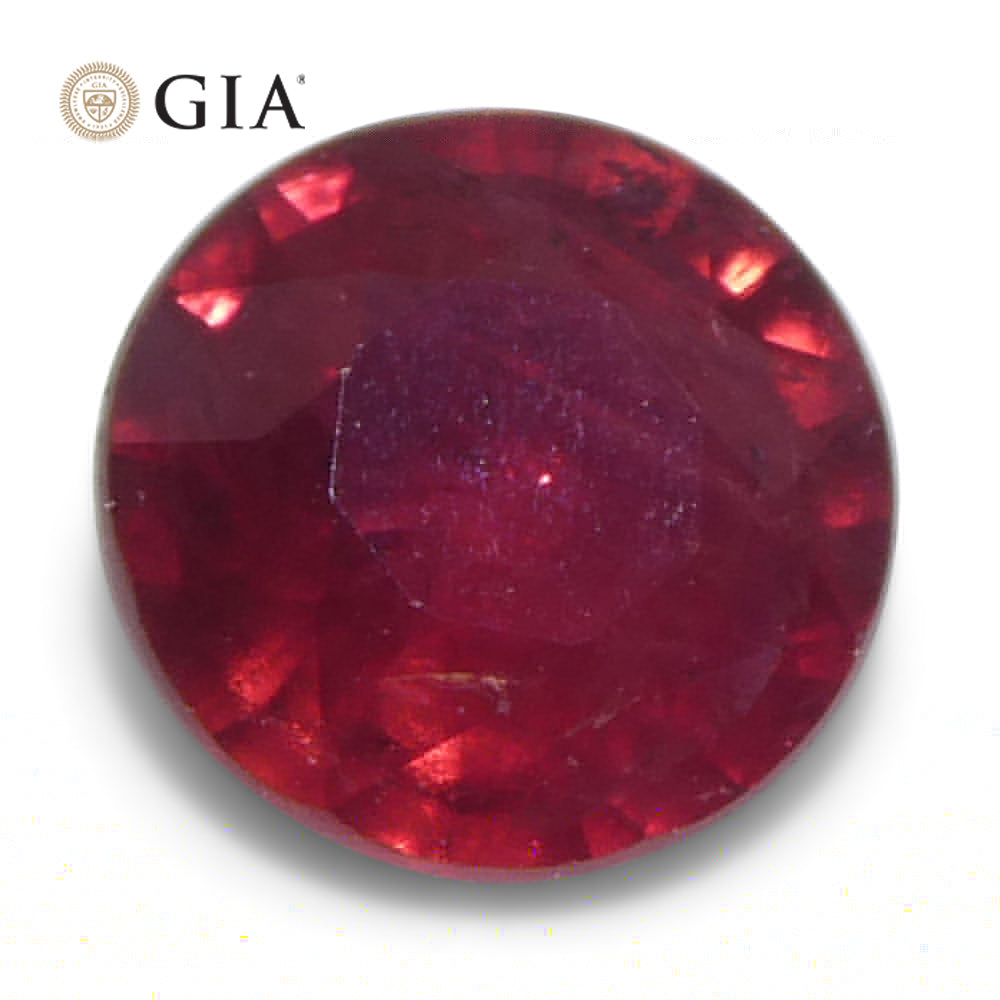
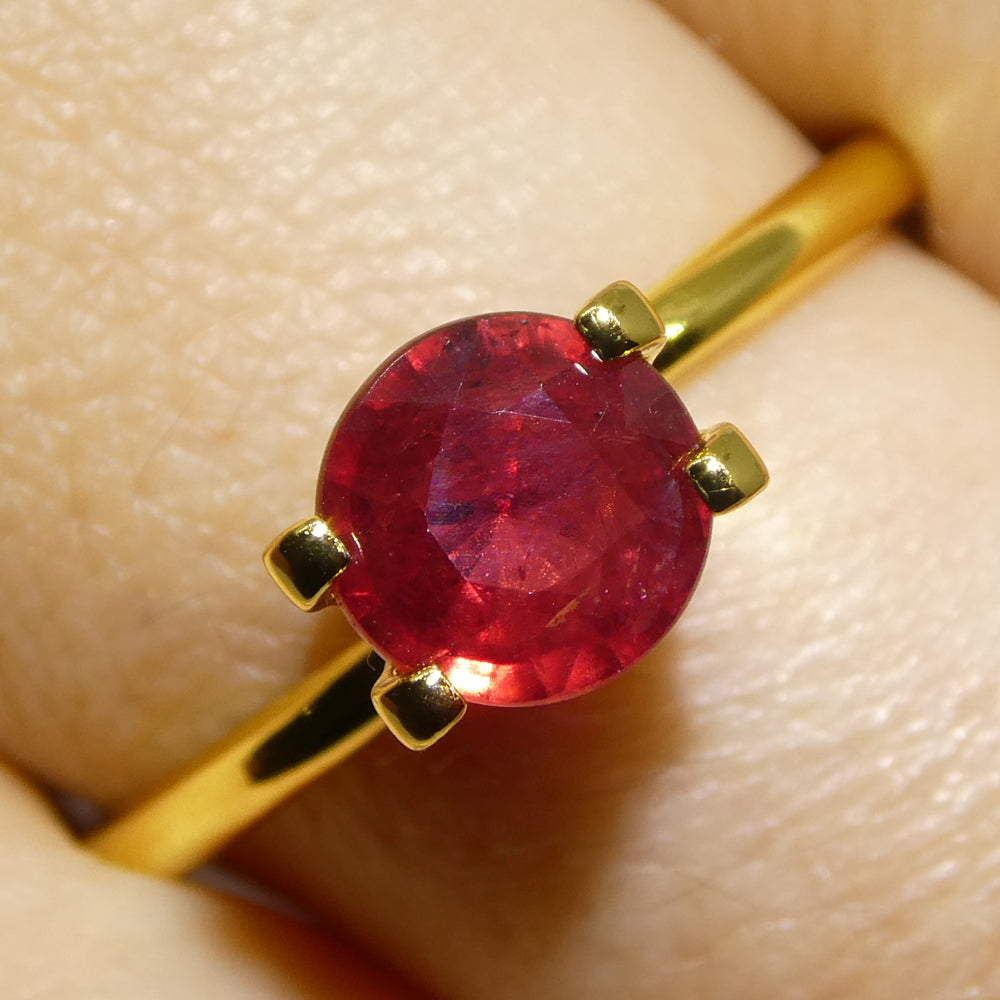
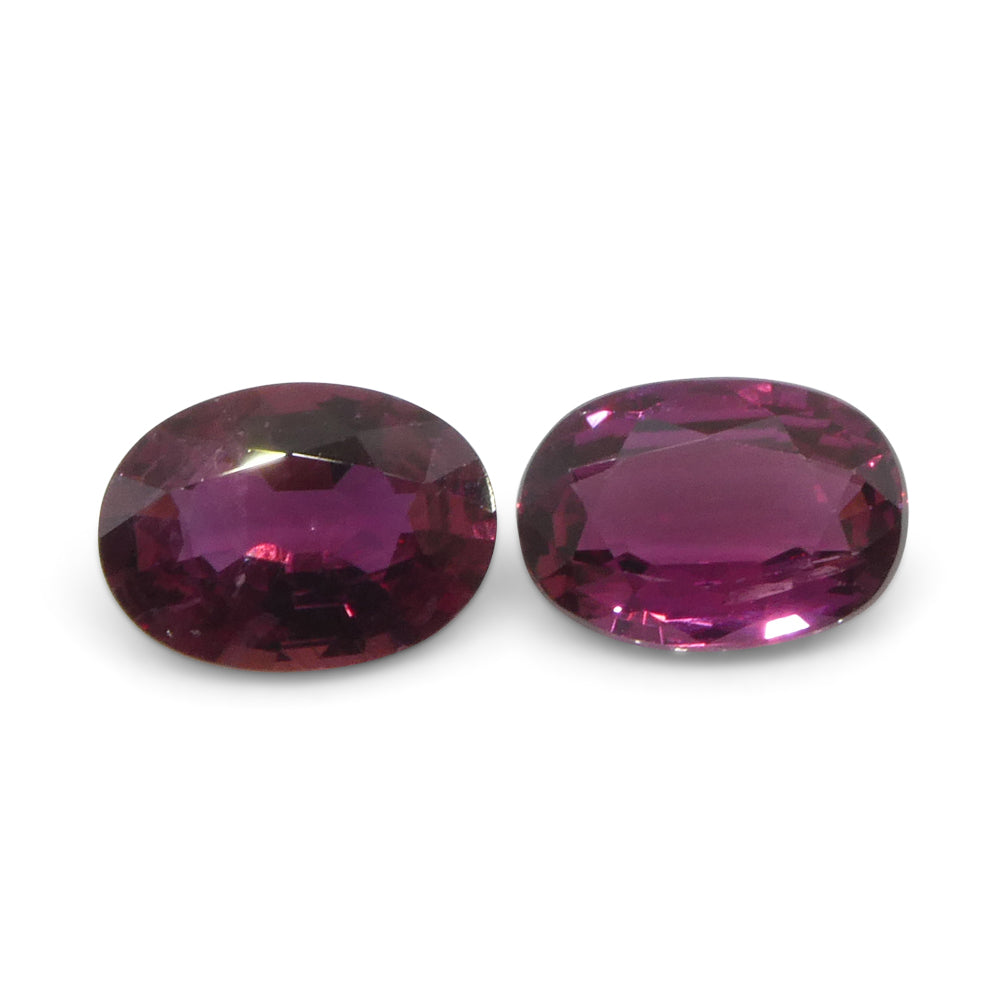
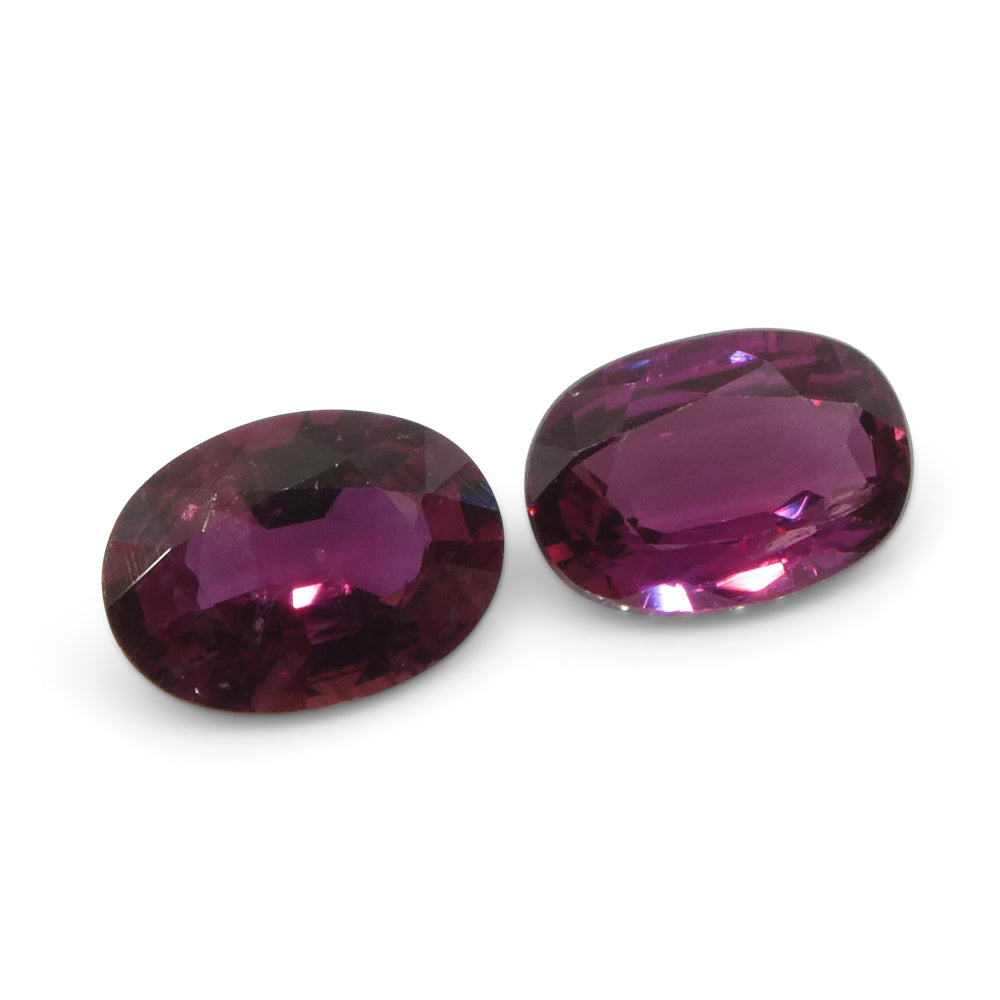


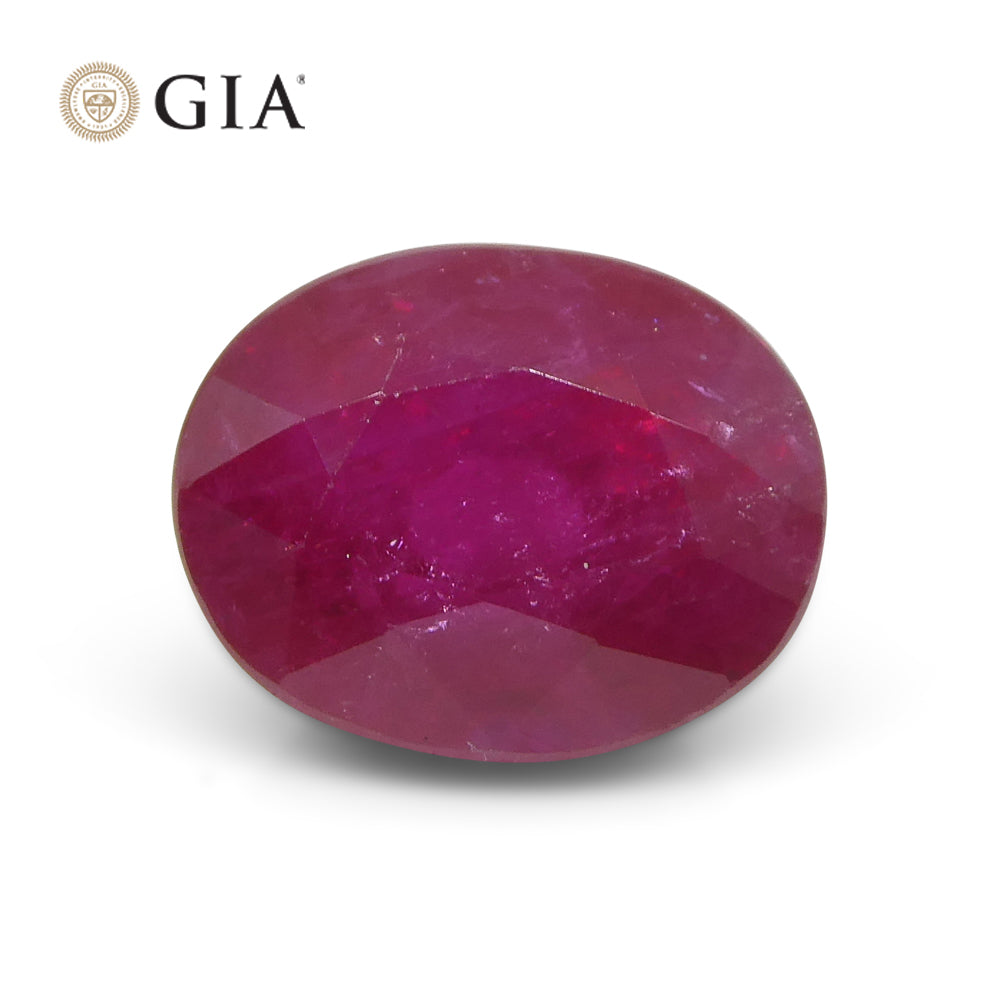
More about Ruby
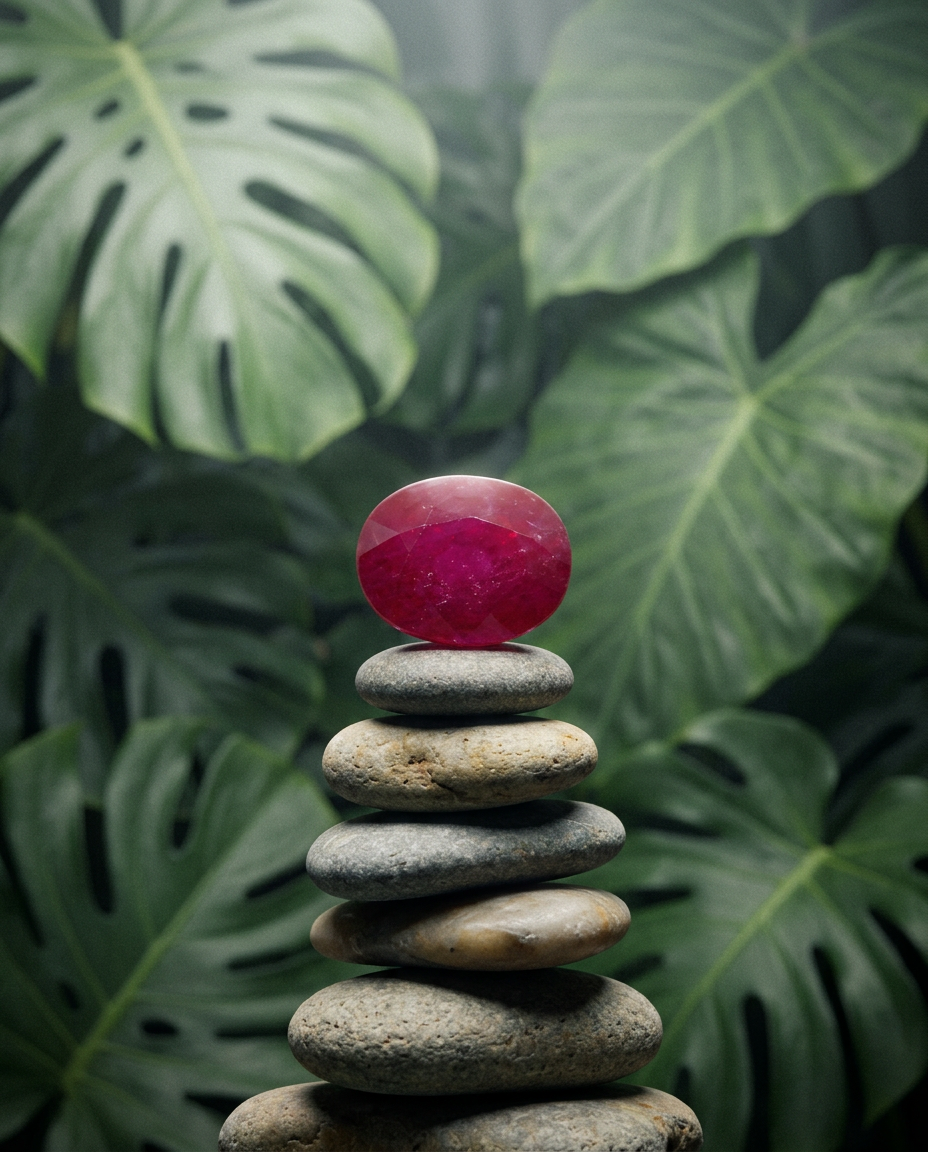
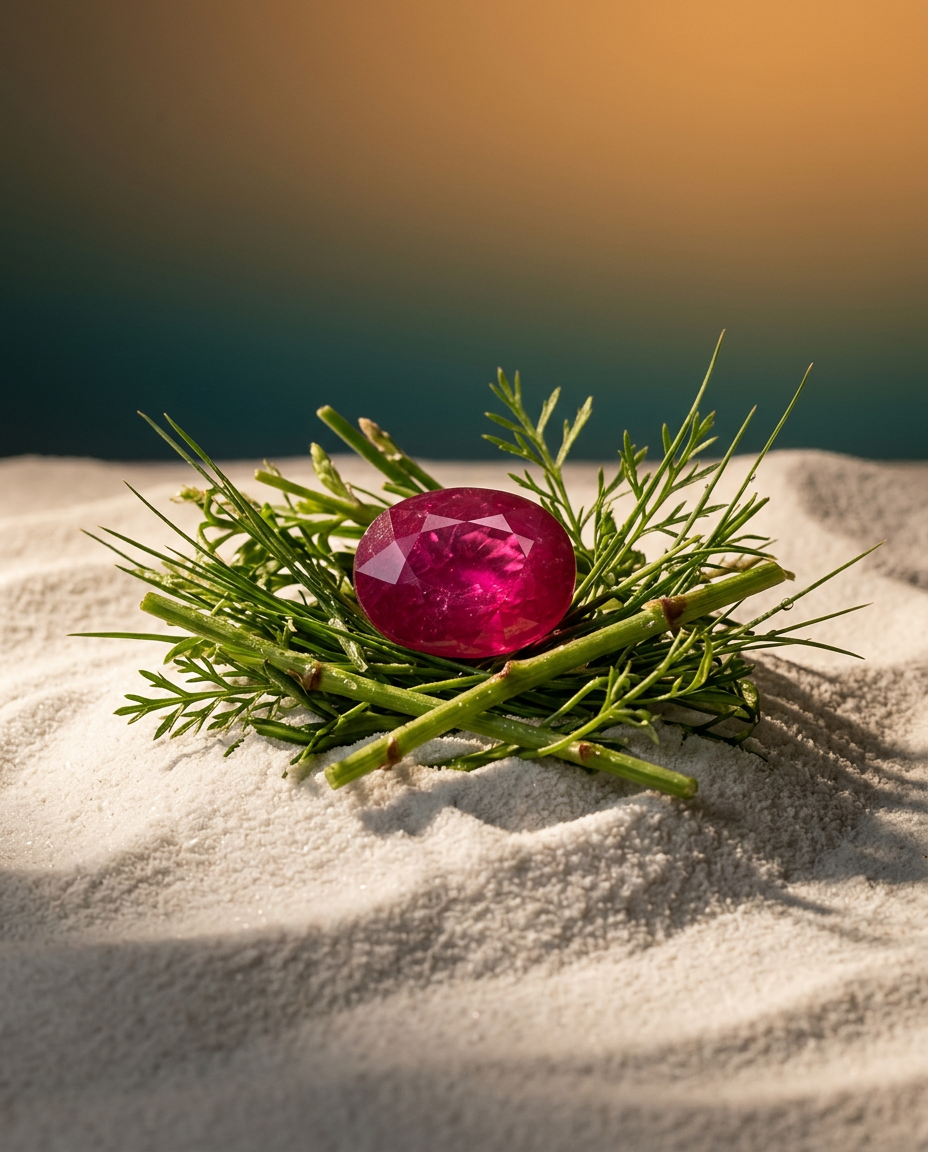
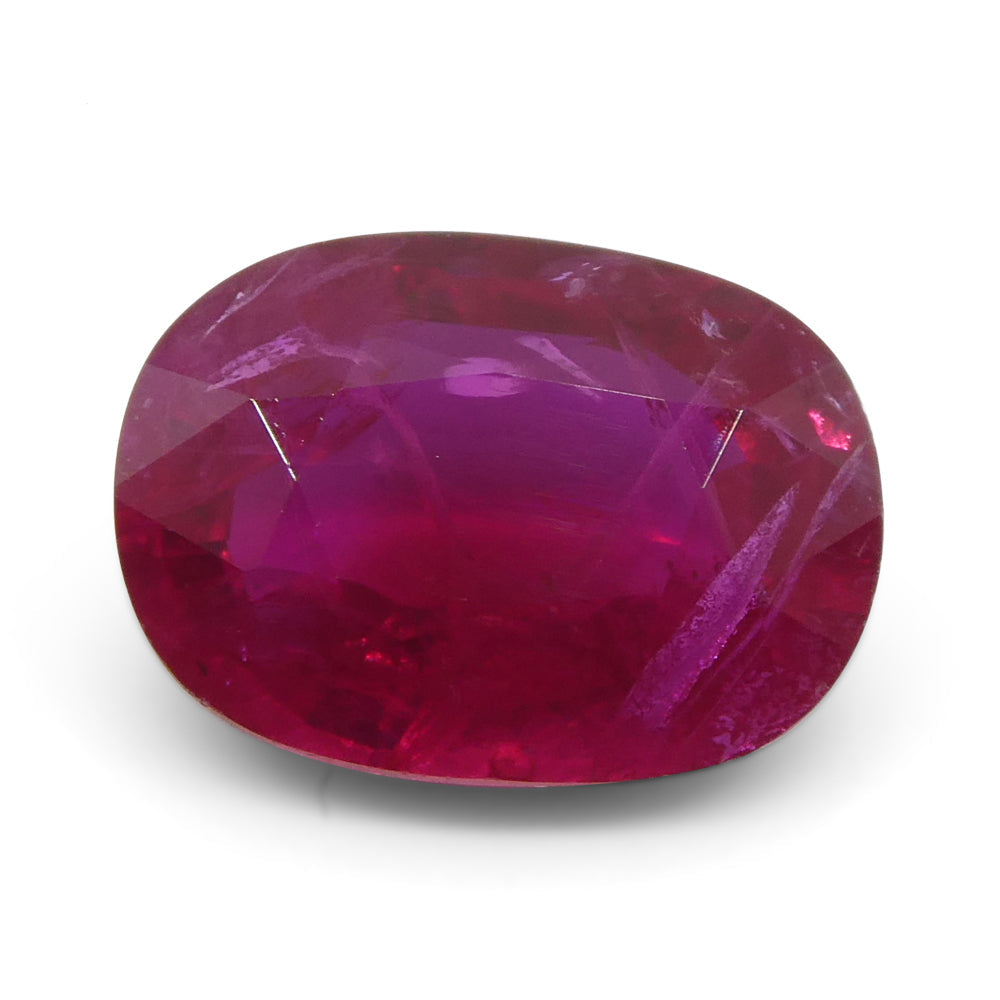
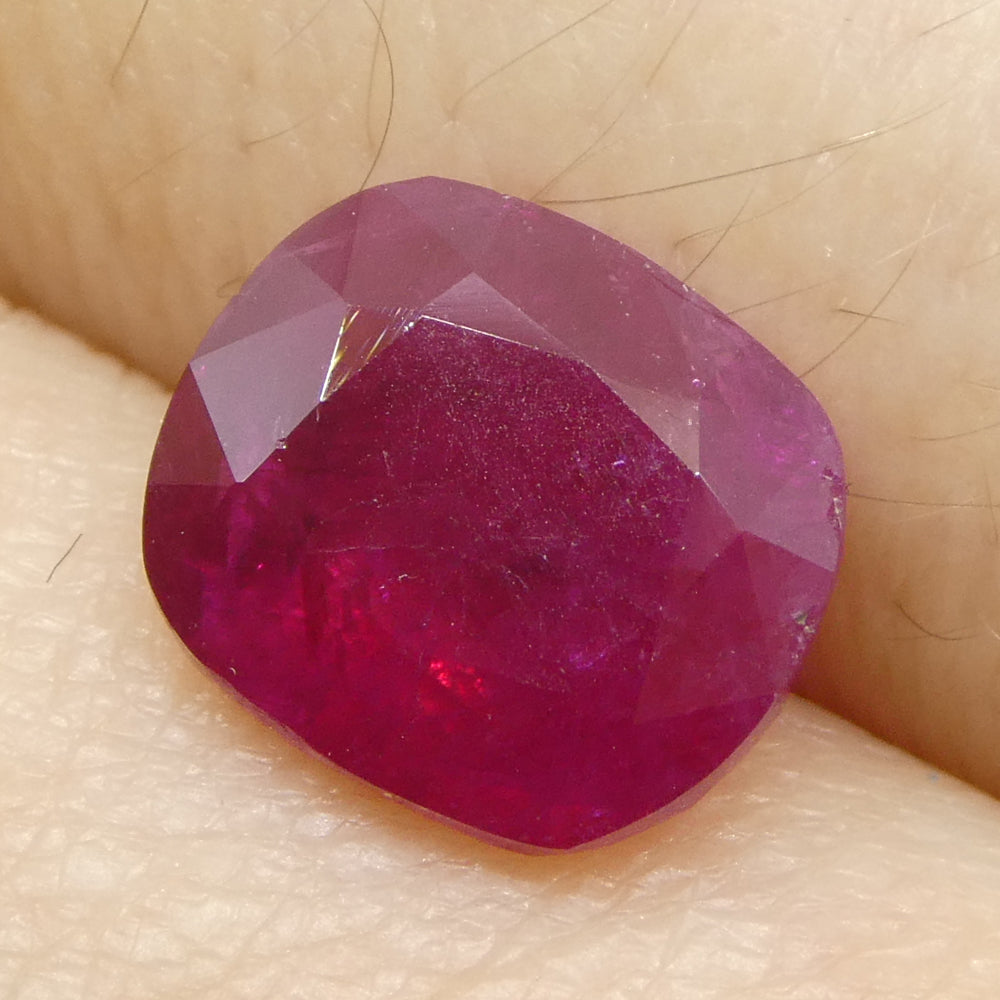
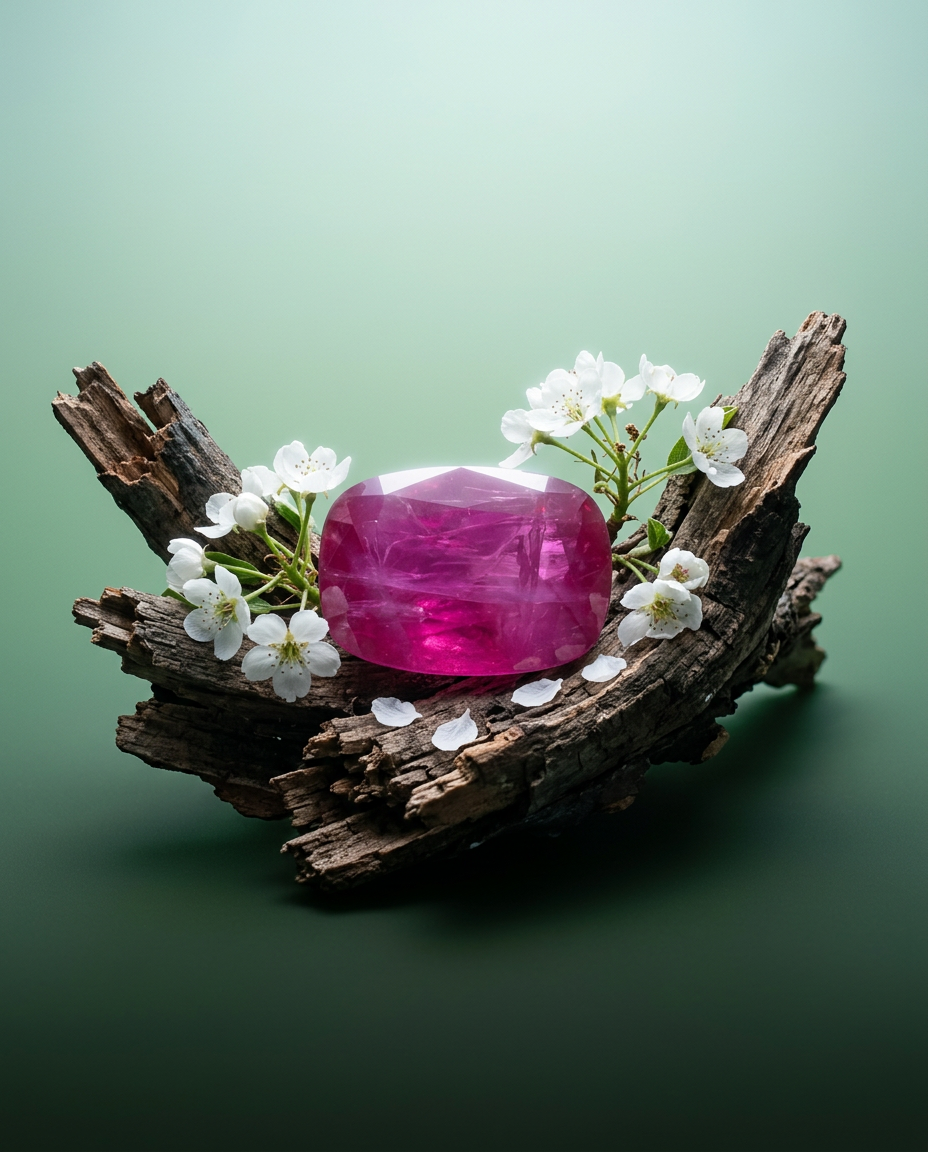
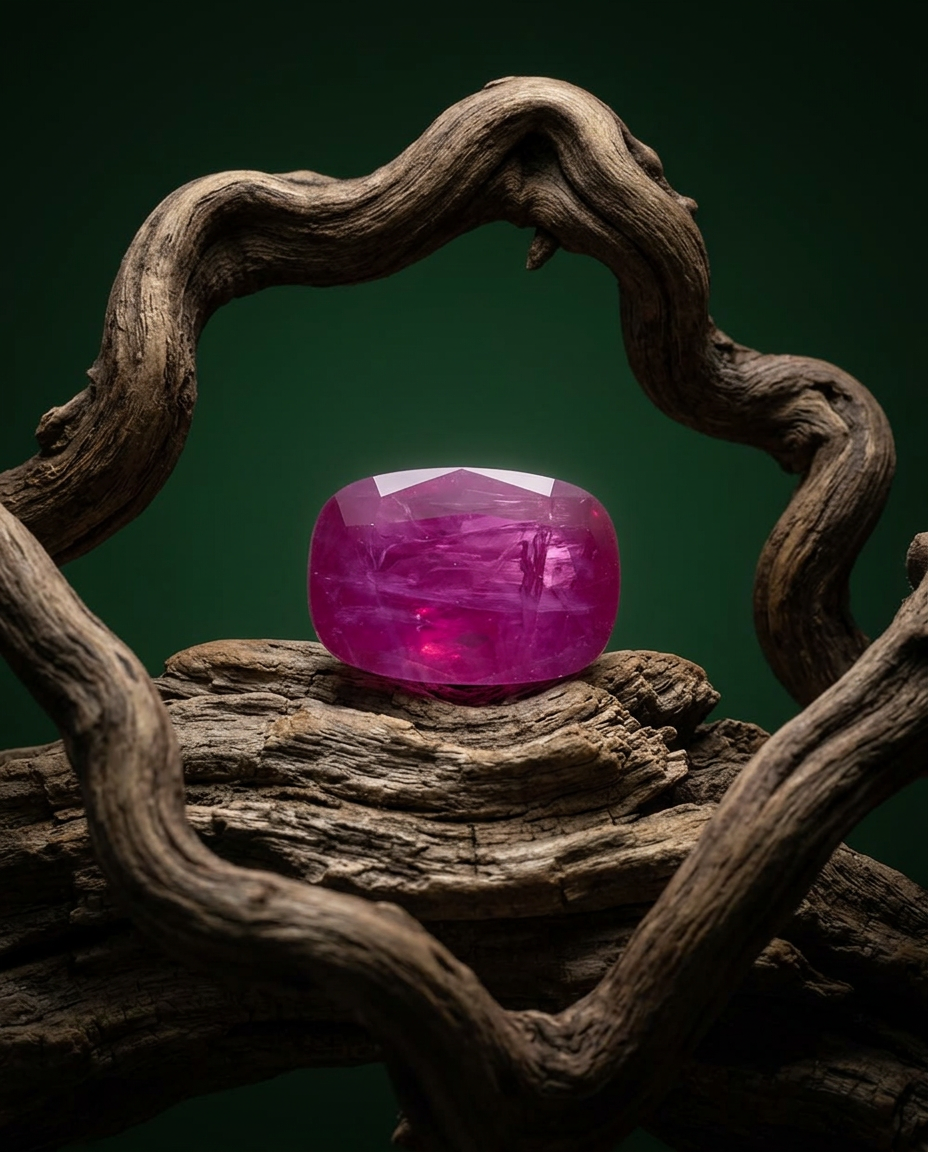
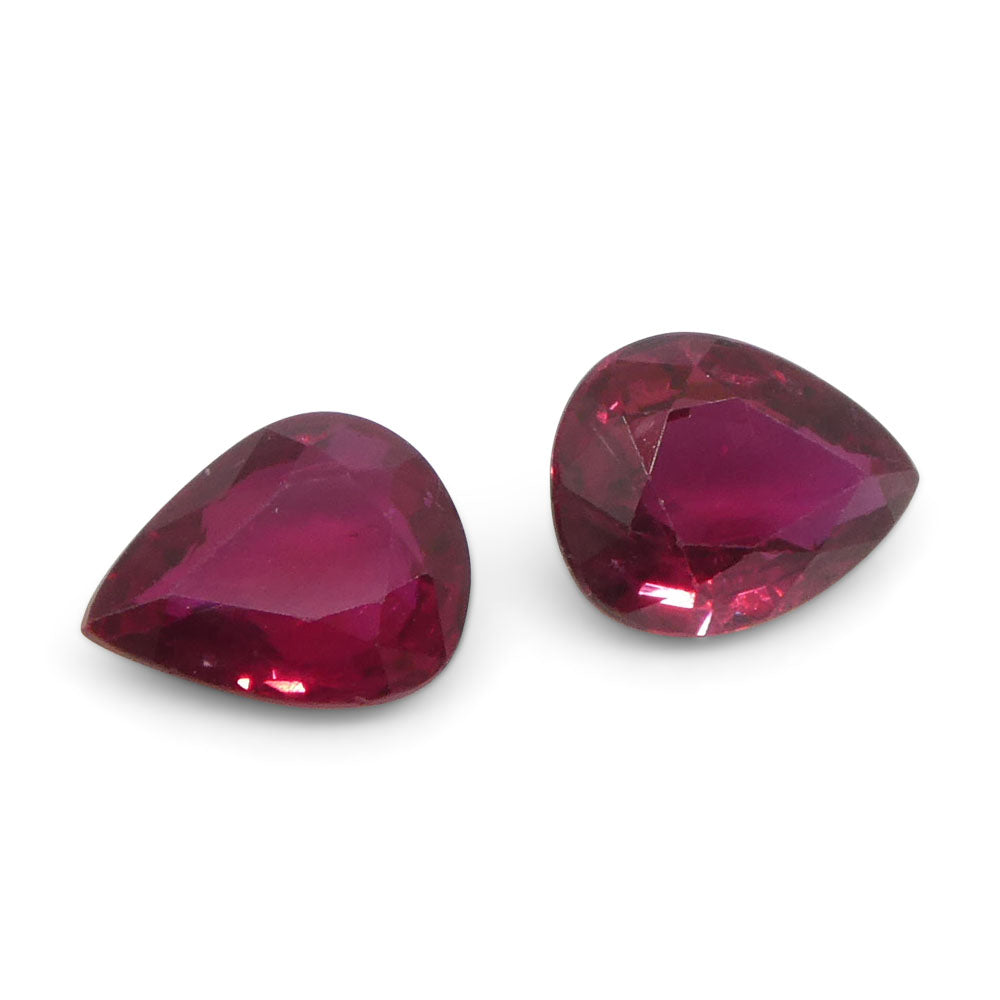
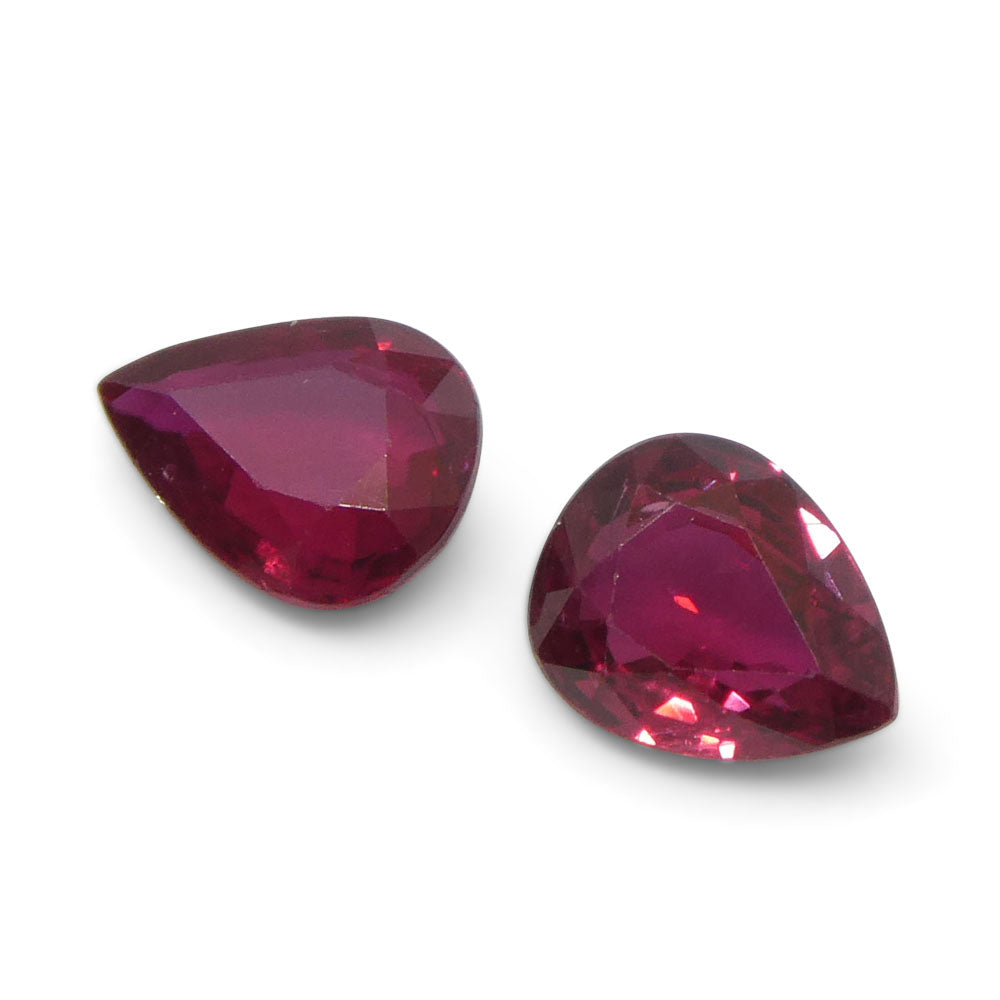
Ruby and sapphire are the same mineral — corundum. What makes a ruby red instead of blue is a trace of chromium sitting in the crystal, and that one element does two things at once: it gives the stone its red, and it makes that red glow. Chromium doesn't just colour the light passing through, it fluoresces, so a fine ruby can look almost lit from within in daylight. The more chromium, the deeper and more saturated the red — and at the very top of that scale you get the colour the trade calls pigeon-blood.
Here's the thing about pigeon-blood that's worth understanding before you spend on it: it's a colour grade, not a guarantee of anything. It describes a vivid, slightly purplish-red with strong saturation and that characteristic glow — and some of the major labs will note it on a report when a stone qualifies. It's not a stamp of origin, it's not a measure of how clean the stone is, and it doesn't by itself mean unheated. A heated Mozambique ruby can earn the pigeon-blood call; so can a Burmese one. When you sit with our rubies we'll show you the difference in the actual stones rather than leaning on the word.
Origin matters to a lot of buyers, so let's be plain about it. Burmese (Mon Hsu and Mogok) rubies are the historic benchmark — often a pure, glowing red with that chromium fluorescence — and they carry a premium. Mozambique is the great modern source: since around 2009 it has produced superb rubies, some every bit as beautiful as Burmese, frequently a touch cleaner, and generally at a more reachable price. Neither is automatically "better." We hold both, and we'd rather match you to the stone your eye loves than to a country name on paper.
On treatment, we don't hide the ball. Most rubies on the market — the vast majority — are heated, a permanent, long-accepted process that clears the colour and clarity the stone was born with. Heated is not a lesser ruby; it's the norm, and a heated stone with the colour you want is a genuinely lovely thing to own. Truly unheated rubies are rarer and command a real premium, and when a stone is unheated we'll tell you and the lab report will back it up. We stock both, heated and unheated, and we'll always say which is which. And because ruby sits at 9 on the Mohs hardness scale — second only to diamond among the gems you'd wear daily — it's one of the most durable coloured stones you can put into an everyday ring.
More questions
How do I choose a good ruby — what should I actually look at?
Colour first, always. You want a red that's rich and saturated without going so dark it loses life, and that little chromium glow is the thing to look for. After colour comes clarity, but judge it by eye, not under a loupe — fine silk (tiny internal needles) is normal in ruby and can even soften the light beautifully; what you don't want are inclusions that break up the colour or sit dead-centre on the table. Then cut, which controls how evenly the stone returns light. We hold 52 rubies, 14 of them certified by GIA New York, and the honest way to learn the difference is to lay several side by side on the table and let your eye pick. We'll talk you through each one.
Is a heated ruby worth buying, or should I hold out for unheated?
A heated ruby is absolutely worth buying — heating is the long-standing norm and most of the world's loveliest rubies are heated. The colour you see is the colour you keep; it doesn't fade or reverse. Unheated rubies are scarcer and cost more, and they're wonderful if that origin-and-purity story matters to you. For most people choosing a ring, a beautifully coloured heated stone is the smart, honest choice. We carry both and we'll never blur which is which — the treatment is stated, and the lab report confirms it.
Burmese or Mozambique — which should I go for?
Go for the one your eye prefers, then let the price help you decide. Burmese rubies are the classic benchmark and carry a premium for it. Mozambique, the major modern source, gives you superb colour — often a little cleaner — at a more reachable price. We stock both, so the best way to settle it is to compare the actual stones rather than the country names. Plenty of buyers walk in set on "Burmese" and leave delighted with a Mozambique ruby they couldn't tell from one — and the other way round, too.
Are your rubies certified, and what does the report tell me?
Many are — 14 of our rubies carry a GIA New York report, and every stone we sell is graded on site by our GIA-certified specialist. For a ruby, the lab report is especially useful: it confirms it's natural corundum, states whether the stone has been heated, and for the finer pieces may note the colour grade. The report travels with the stone, so whatever we tell you across the counter is on paper too.
I already have a jeweller — can I just buy the loose ruby from you?
Of course. Plenty of people come in, find the right ruby, and take it to a jeweller they already trust to set it — and we're glad to simply sell you the stone. You get the gem expertise and the depth of choice here; you keep the relationship you've got there. Bring your jeweller along to the viewing if you like.
Do you deliver rubies across Canada?
Yes — complimentary insured delivery within Canada and the United States, with international delivery arranged on request. Whether you're choosing a loose ruby to set elsewhere or a finished ring we've built around your stone, it travels fully insured to your door. And every Skyjems piece comes with our 30-day money-back guarantee, lifetime warranty, and free sizing and cleaning for life.