

Sapphire
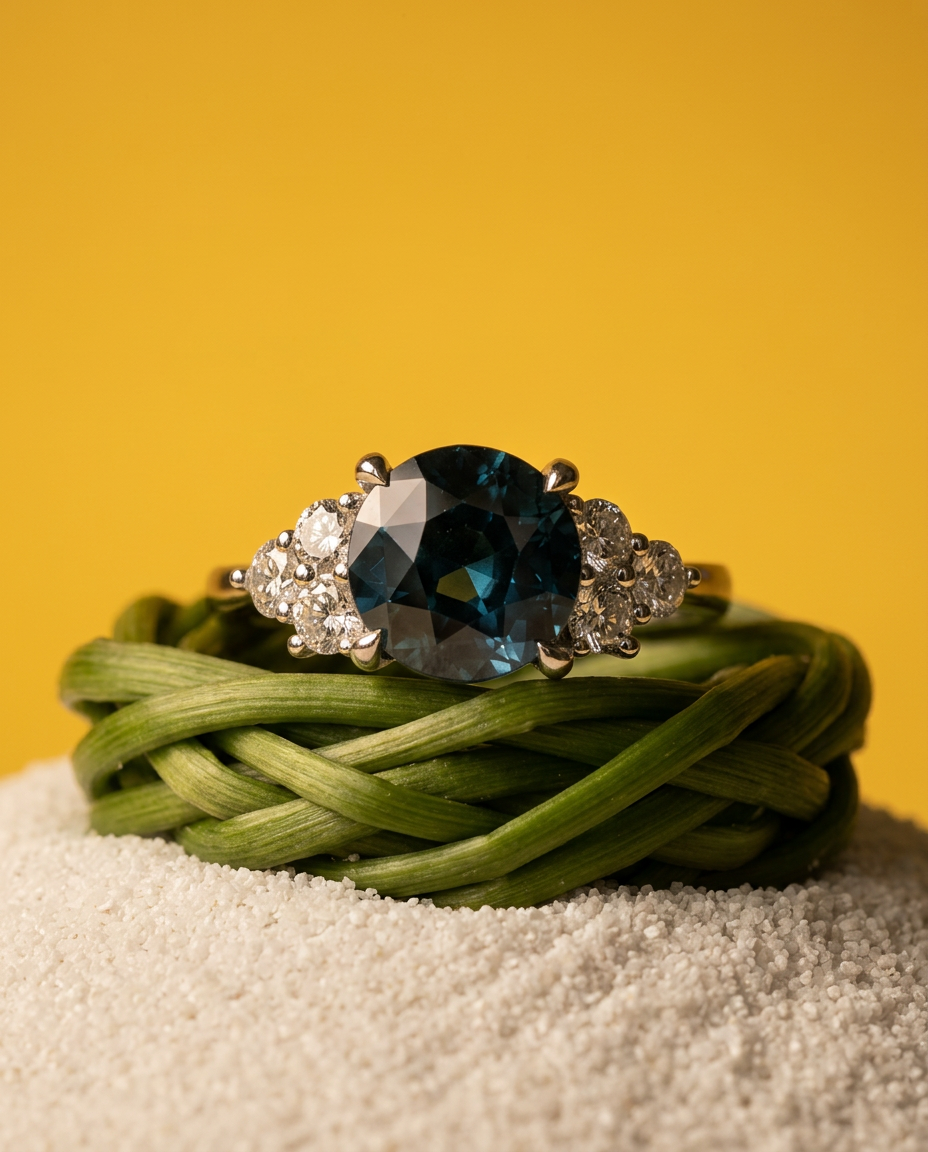
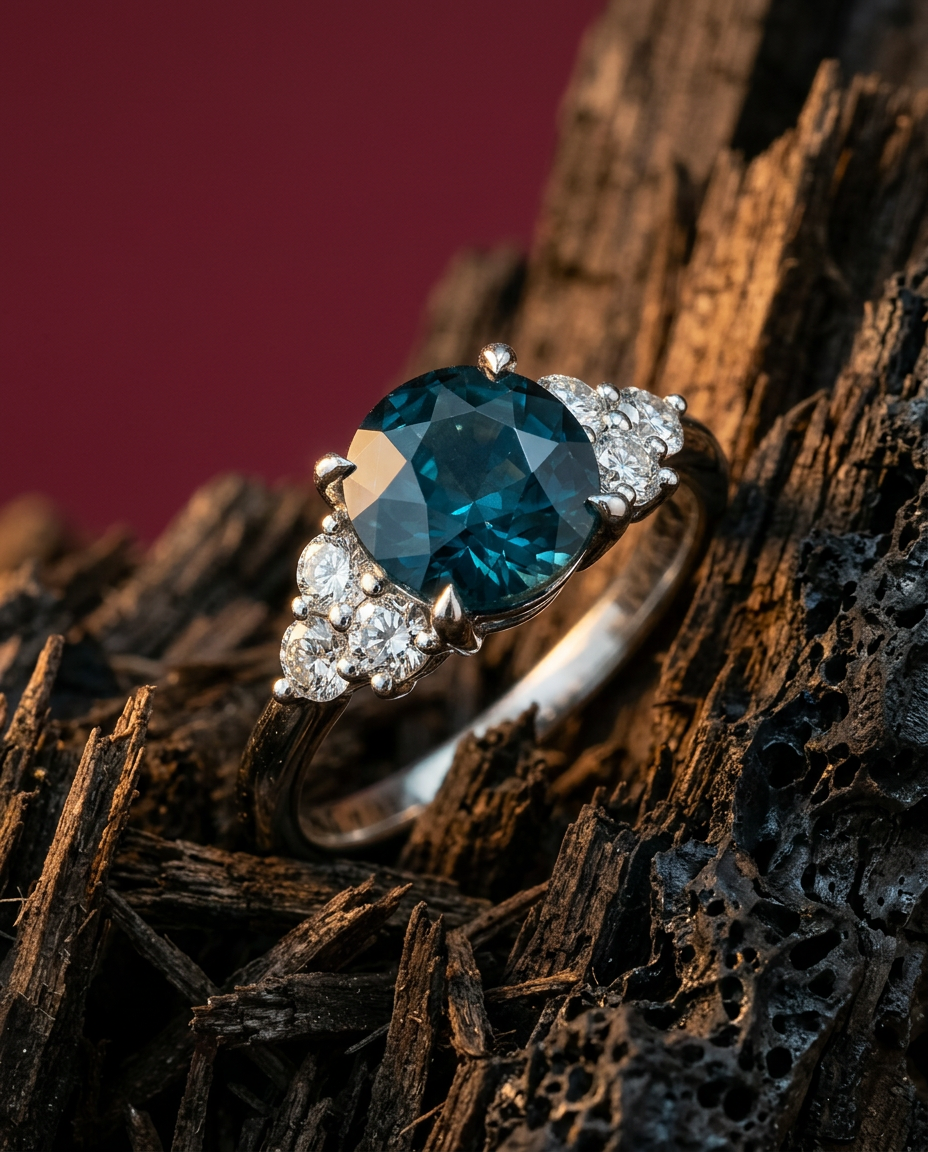
Custom Sapphire Rings in Toronto, Made Around Your Stone
Come and sit with our sapphires — 350+ in stock, over 85 certified by GIA New York, in every colour from blue to the rare padparadscha. Pick the one you love and we'll build your ring by hand in Toronto. Wholesale, straight to the public, since 1967.
Frequently asked questions
Where can I get a custom sapphire ring made in Toronto?
At Skyjems, 27 Queen St East, Suite 1011. We list more than 350 sapphires online — over 85 certified by GIA New York — across blue, pink, teal, yellow and the rare padparadscha, with many more in the vault not yet listed. Choose your stone in person, and our master goldsmiths build the ring here in Toronto.
Can I choose the colour and see the loose stones first?
Yes — that's how we work. Book a viewing or just walk in, sit down with the actual sapphires in every colour, and we'll disclose origin and treatment on each one.
Do you have padparadscha sapphires?
We do. The rare pink-orange padparadscha is the crown jewel of our sapphire collection, several of them certified by GIA New York. Ask to see what's in the case right now.
Filters




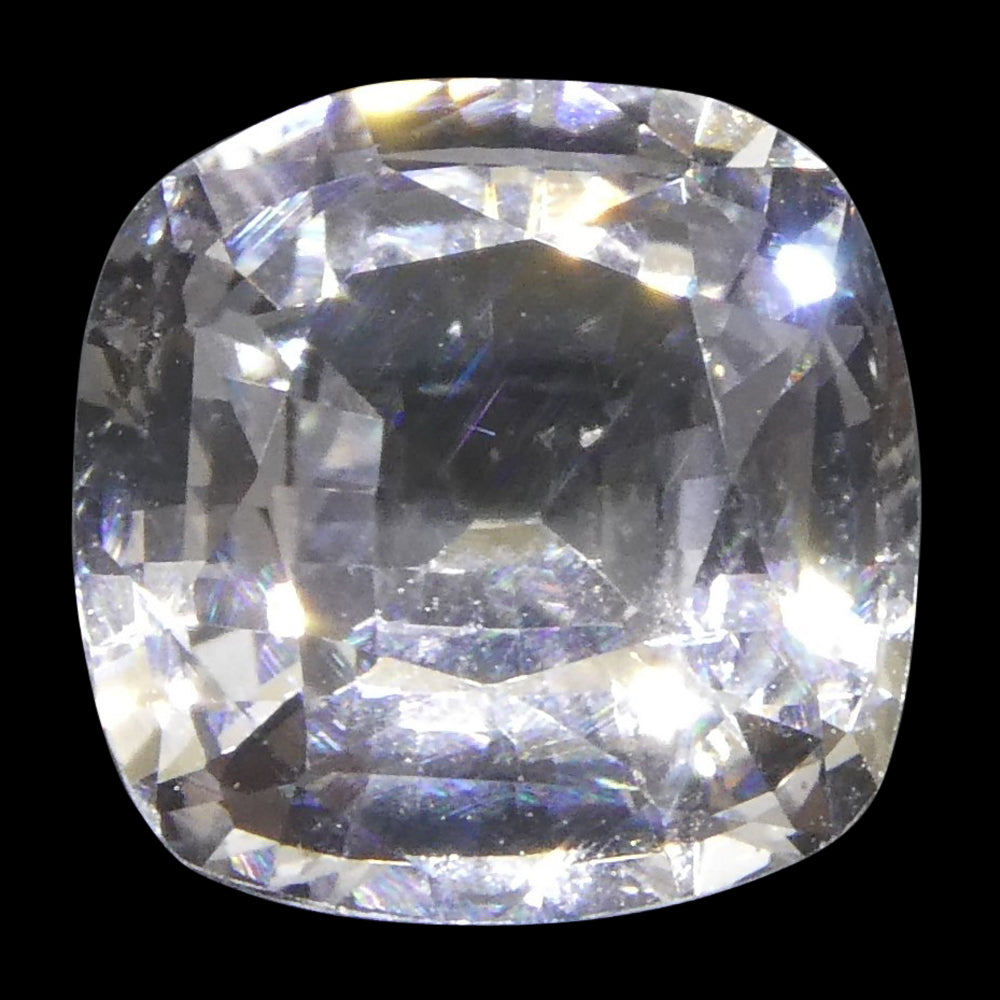
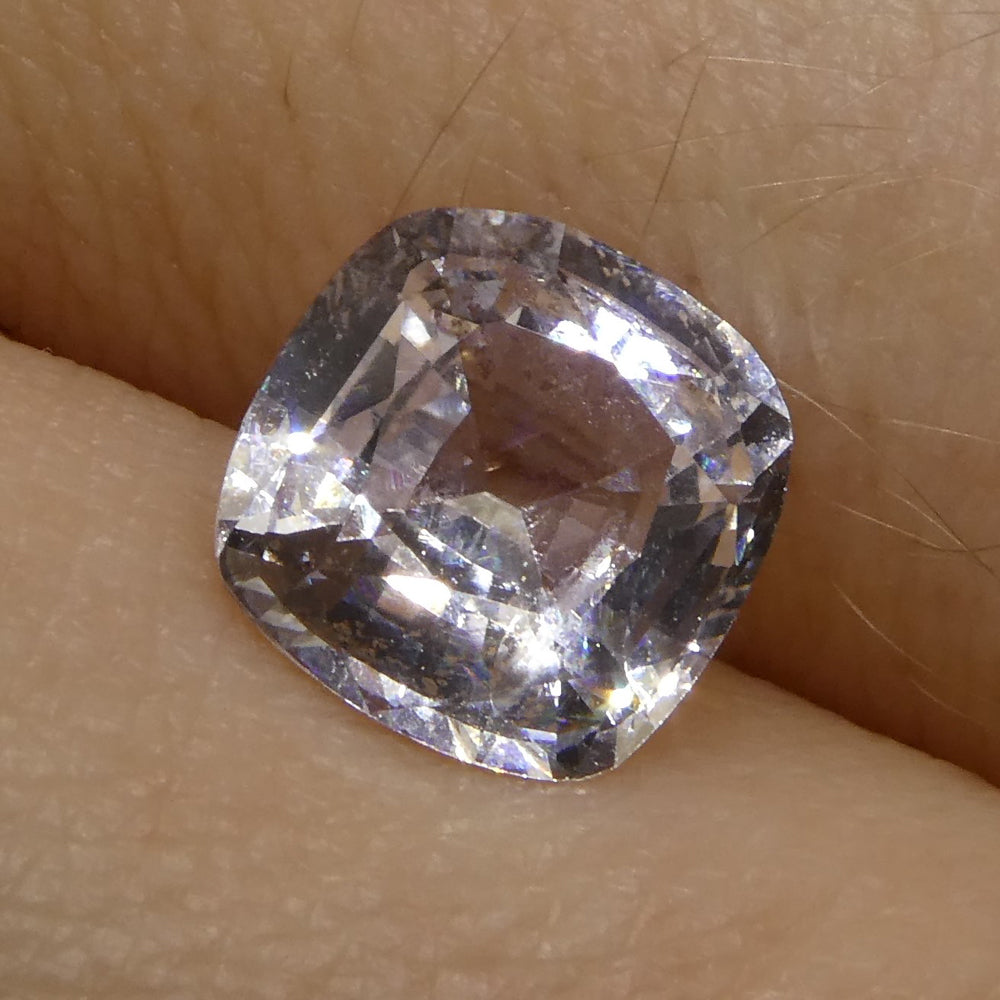
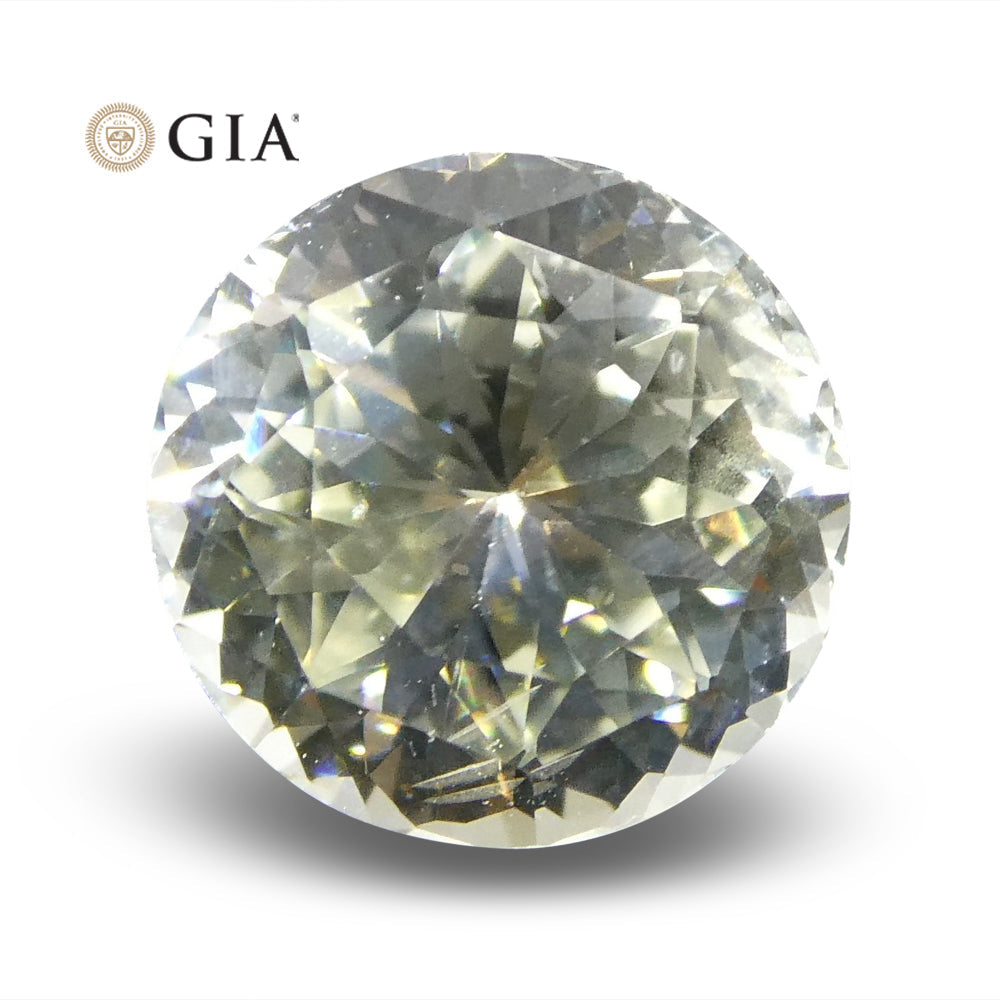
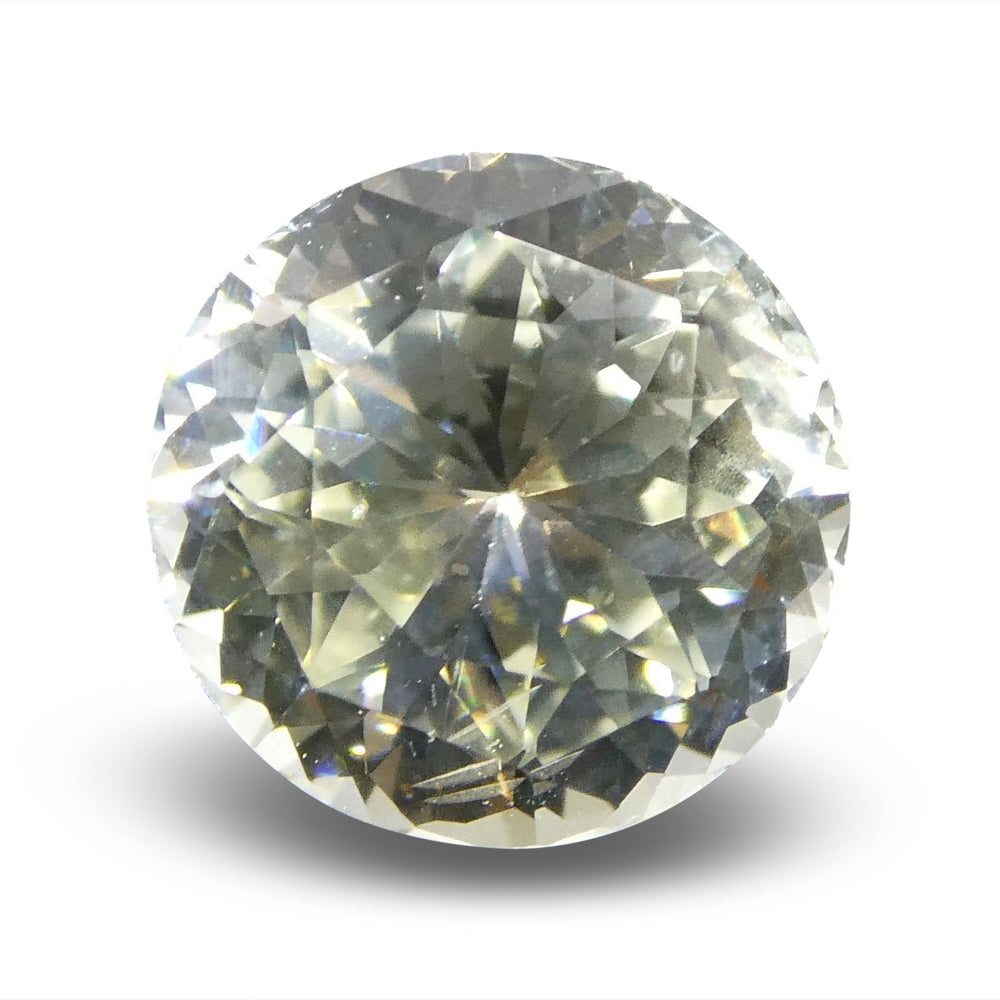
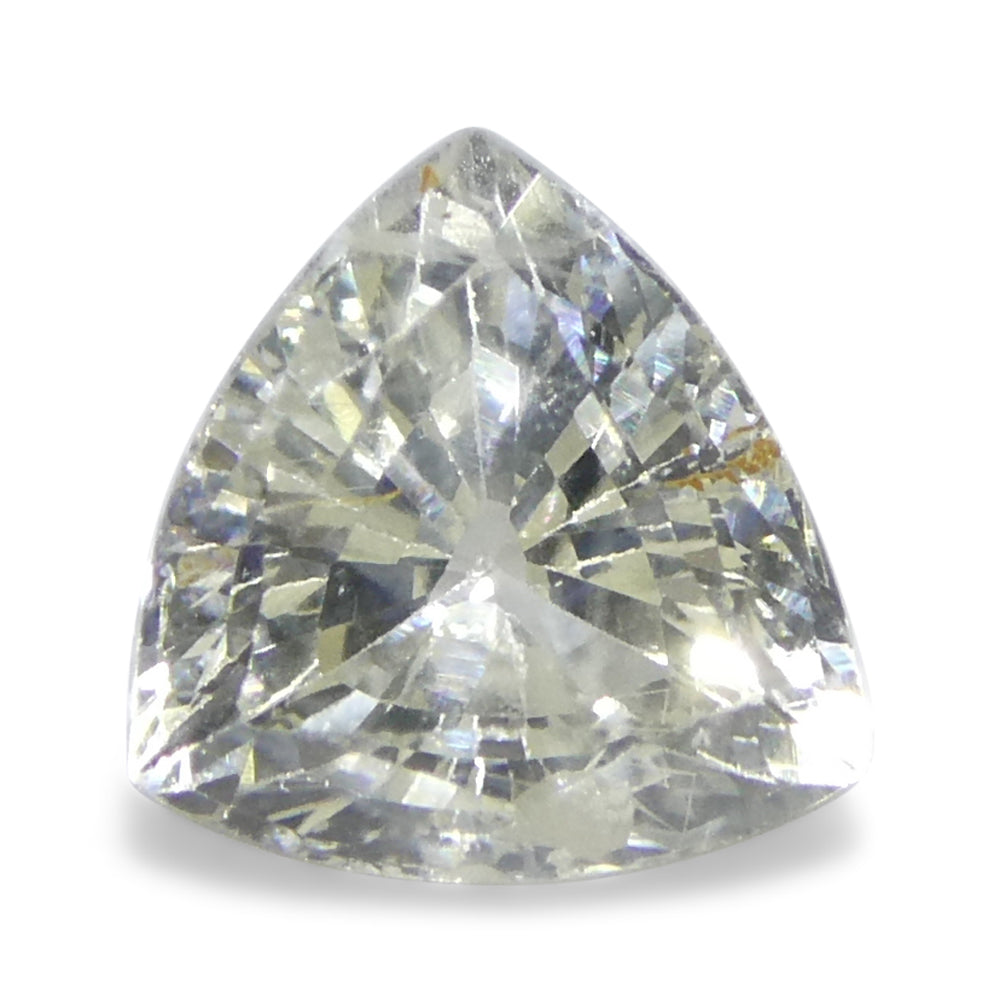
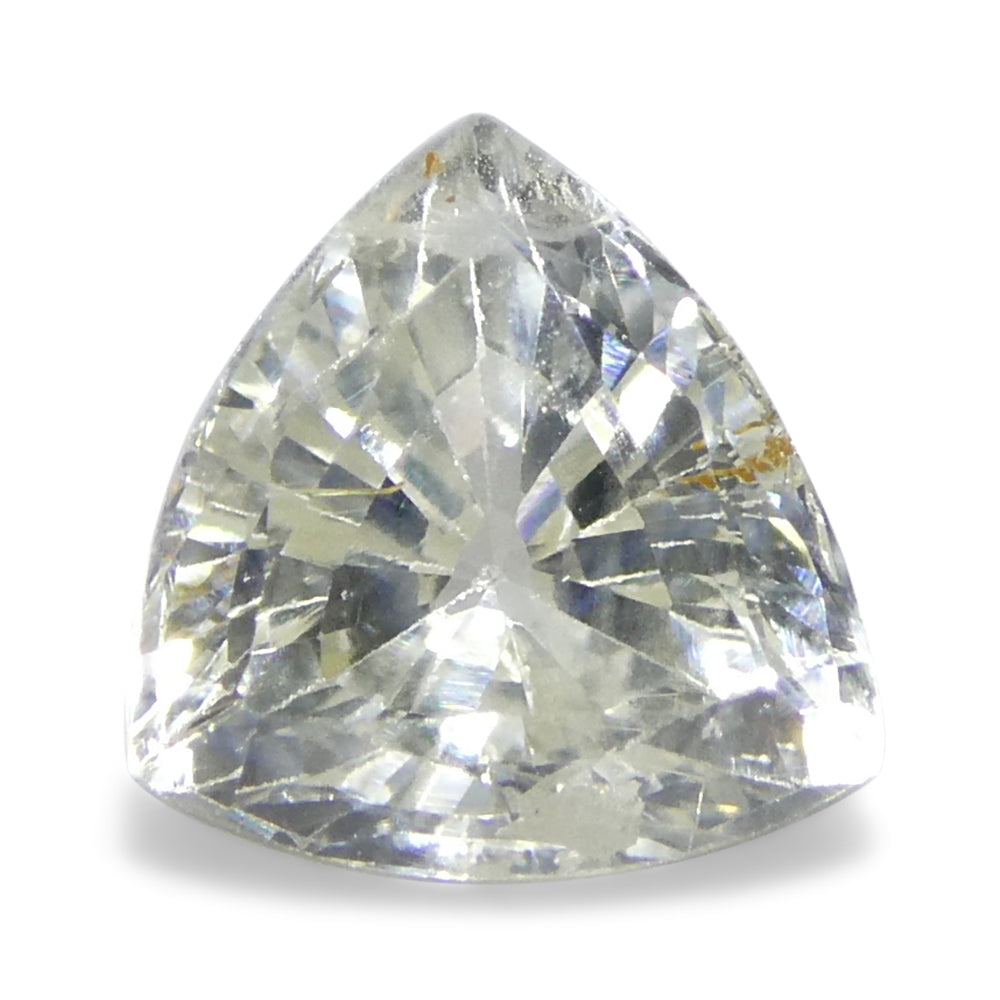
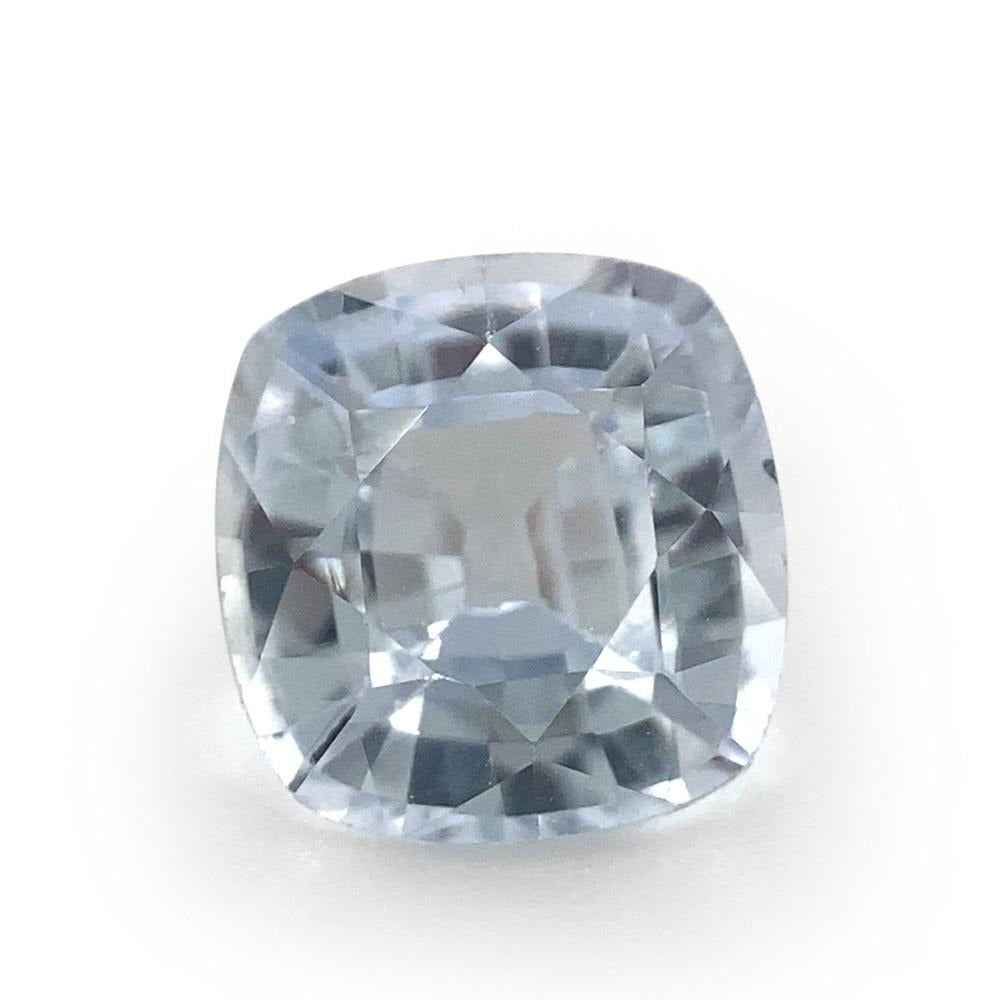
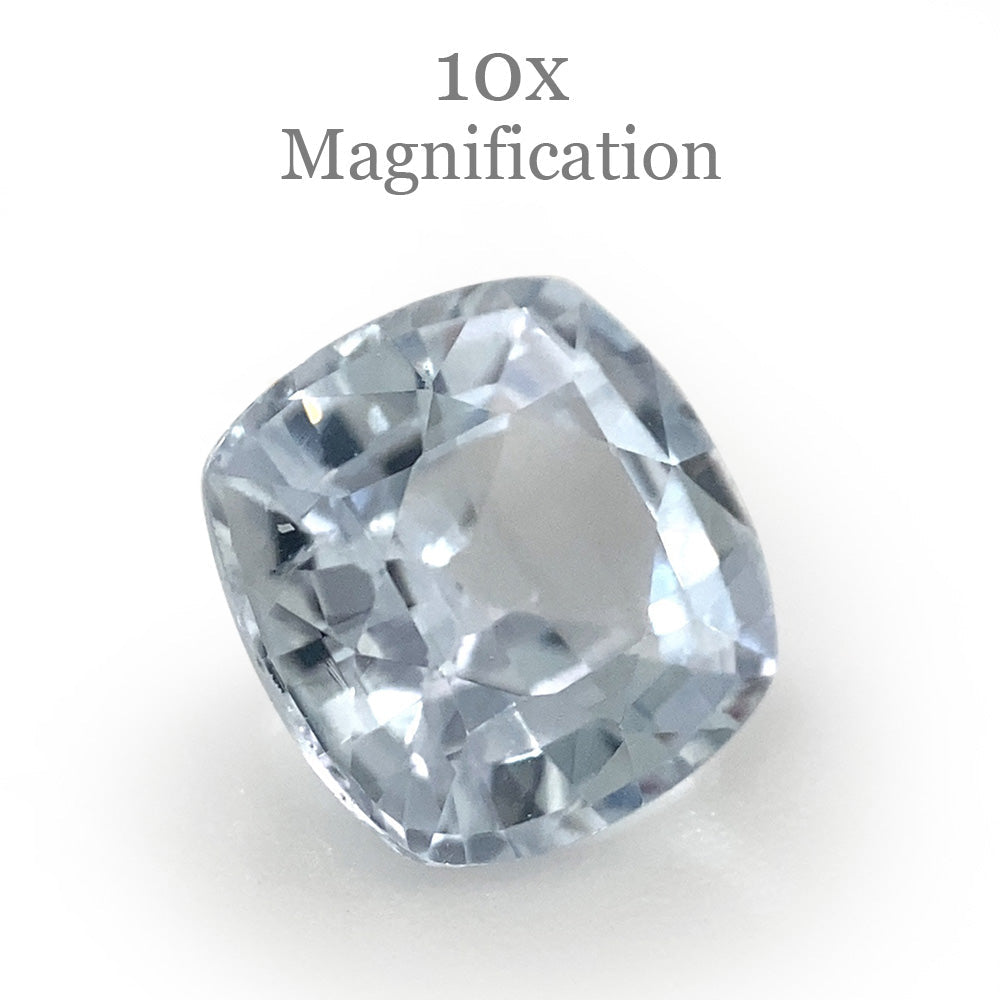
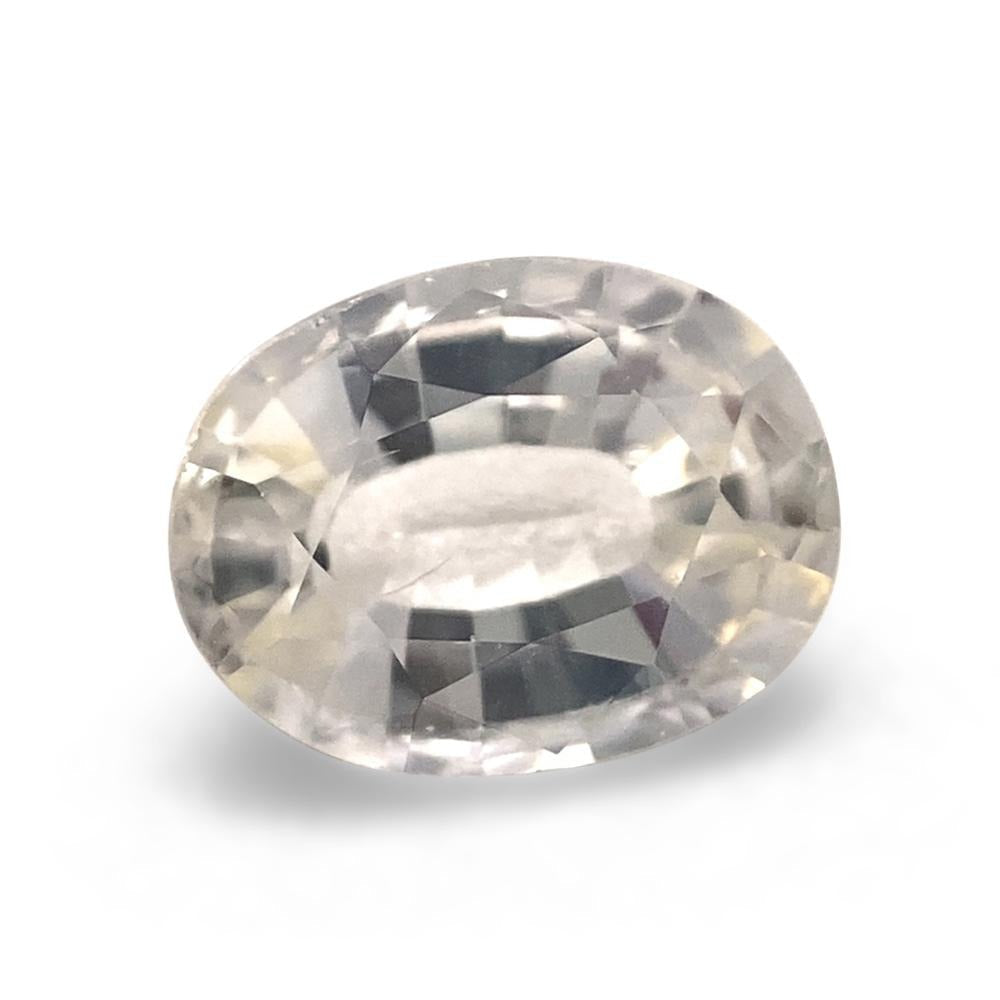
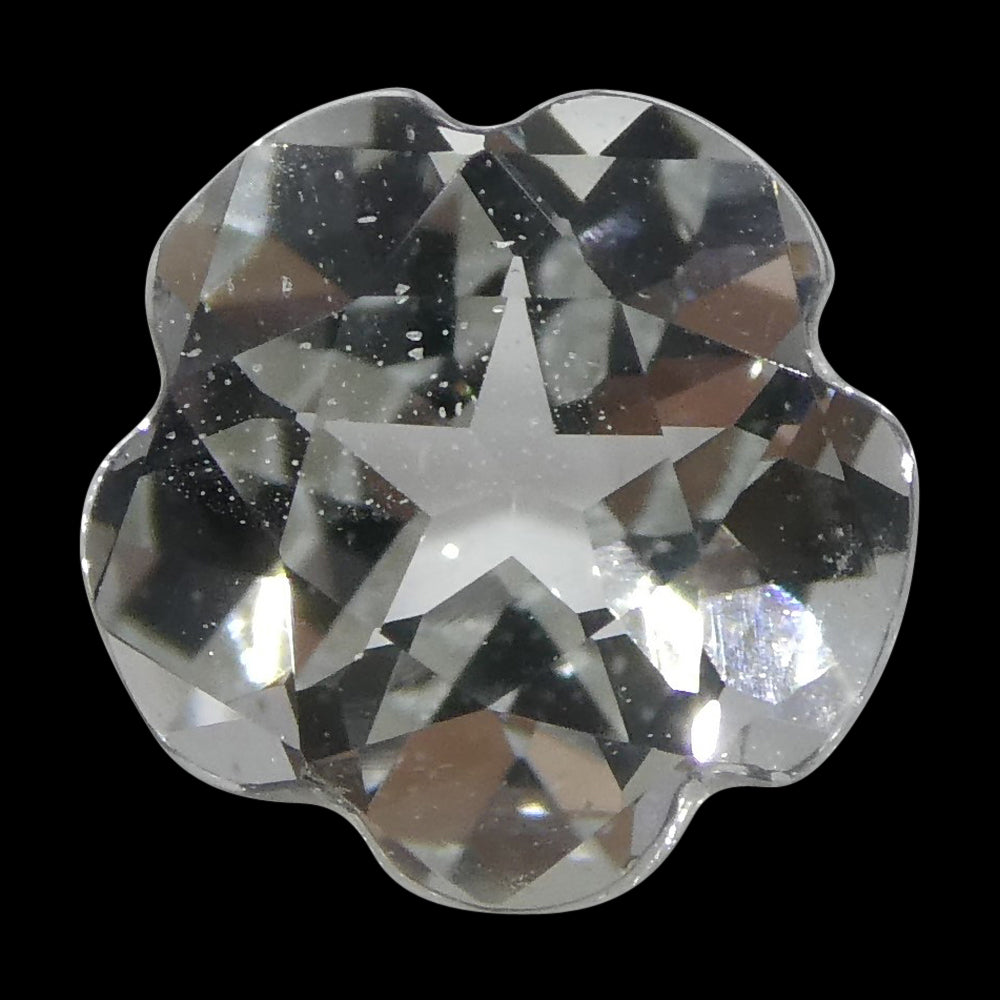
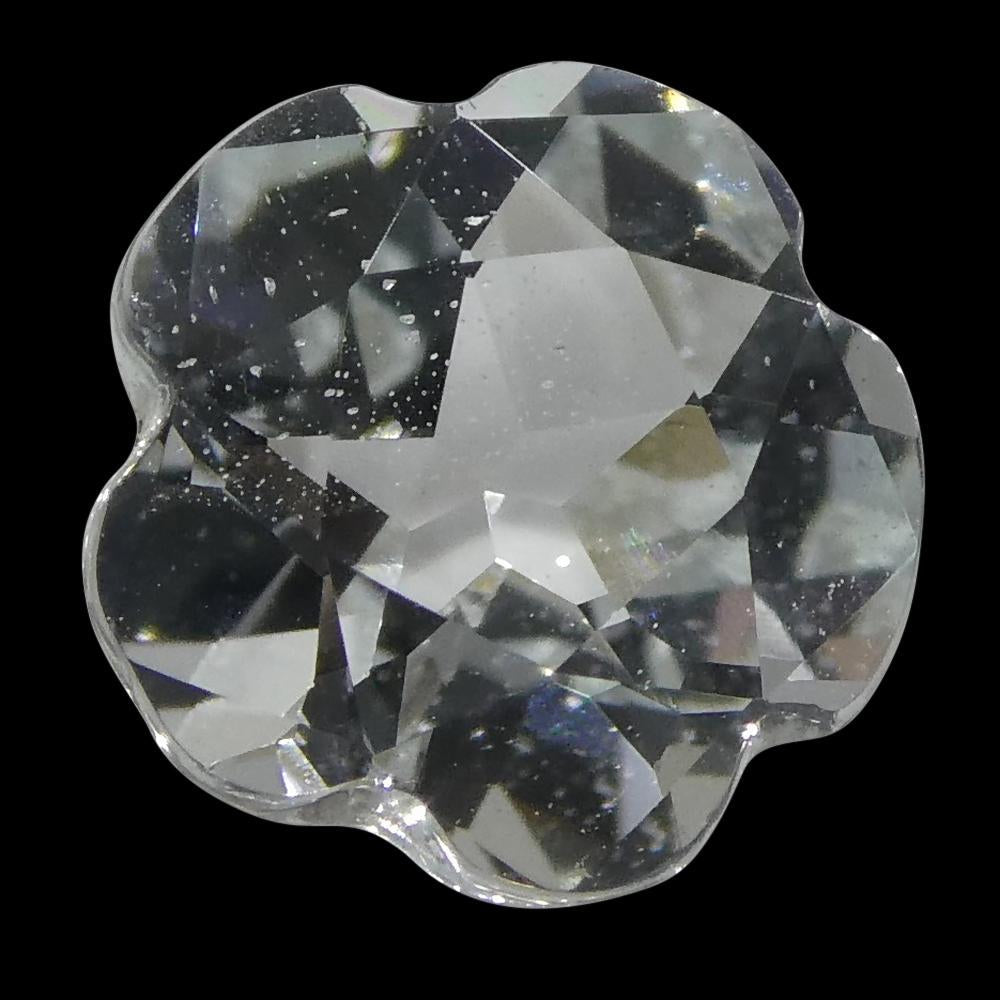
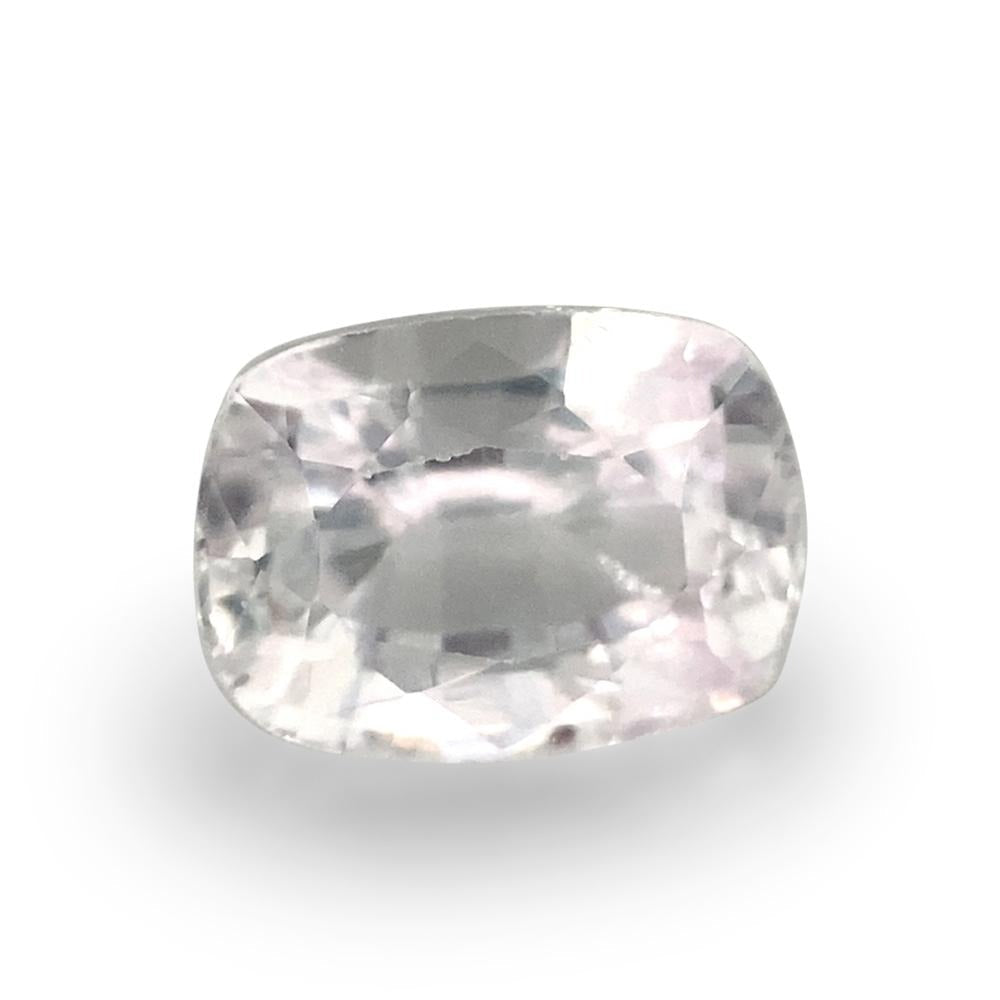
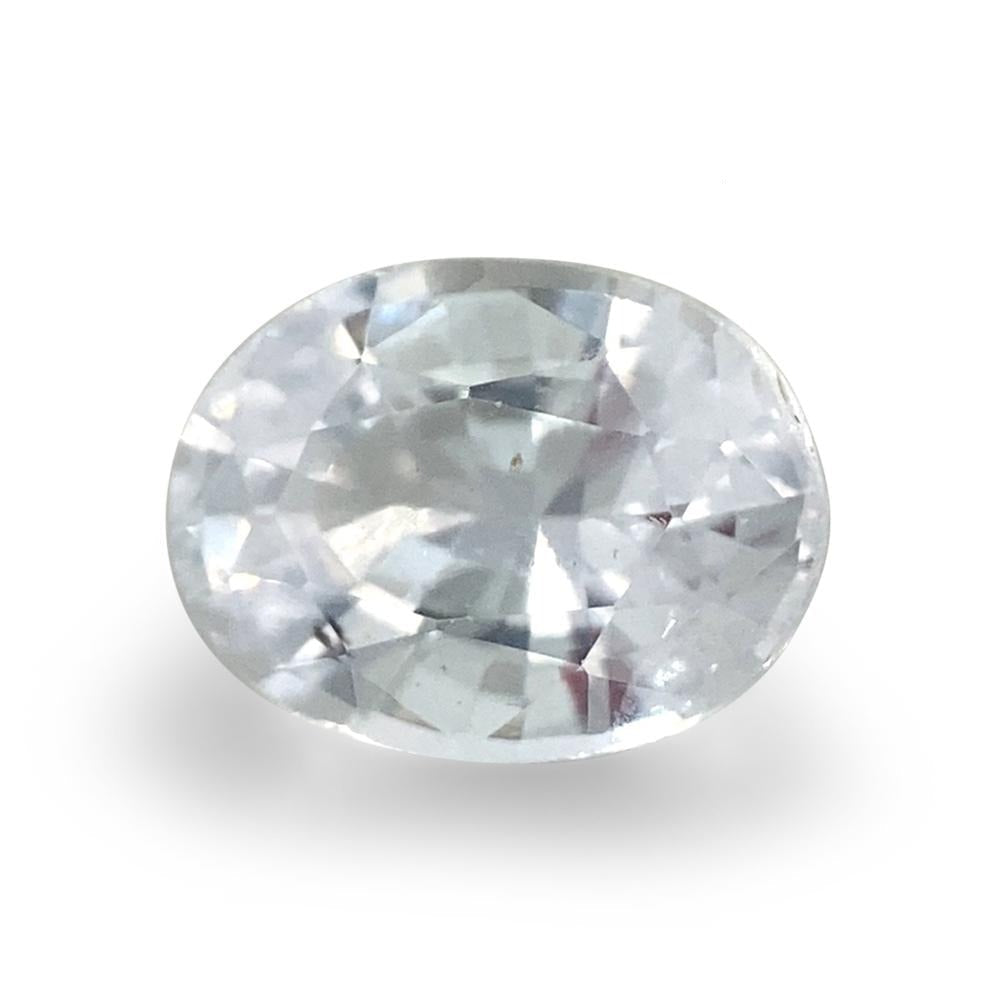
More about Sapphire
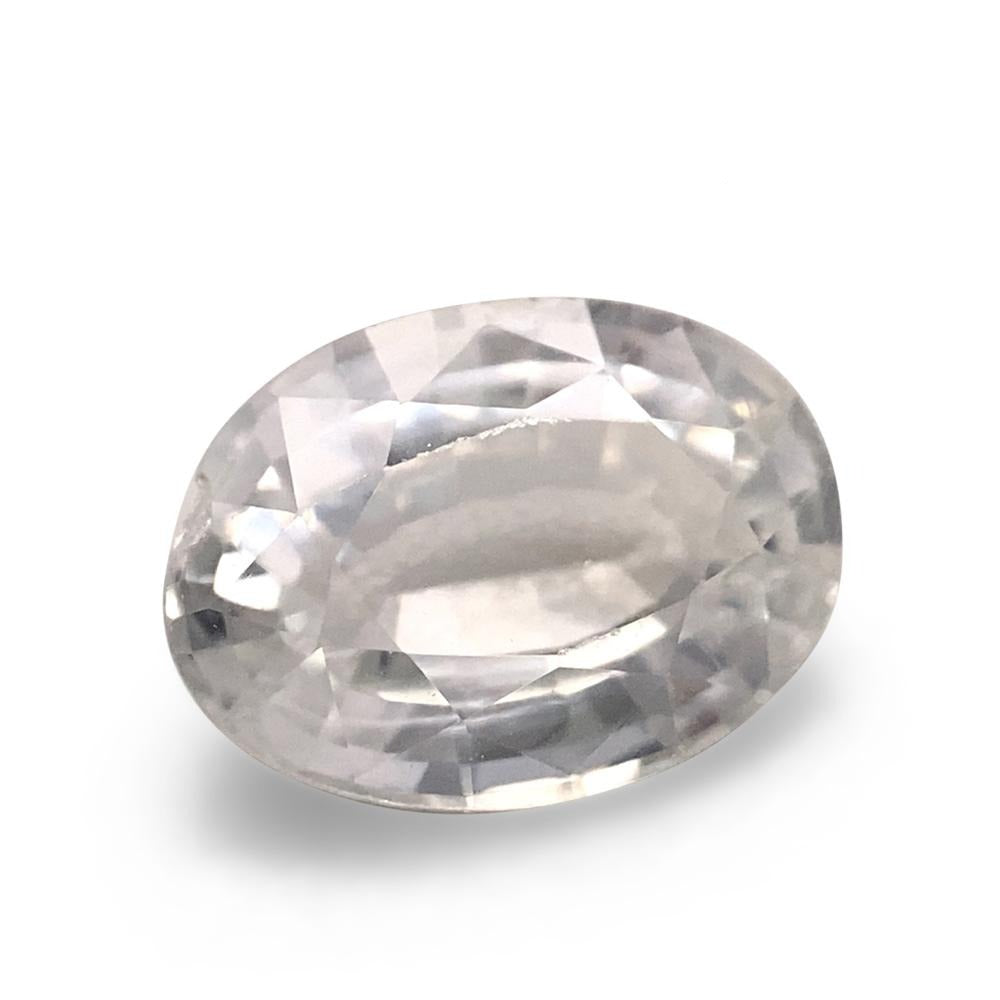
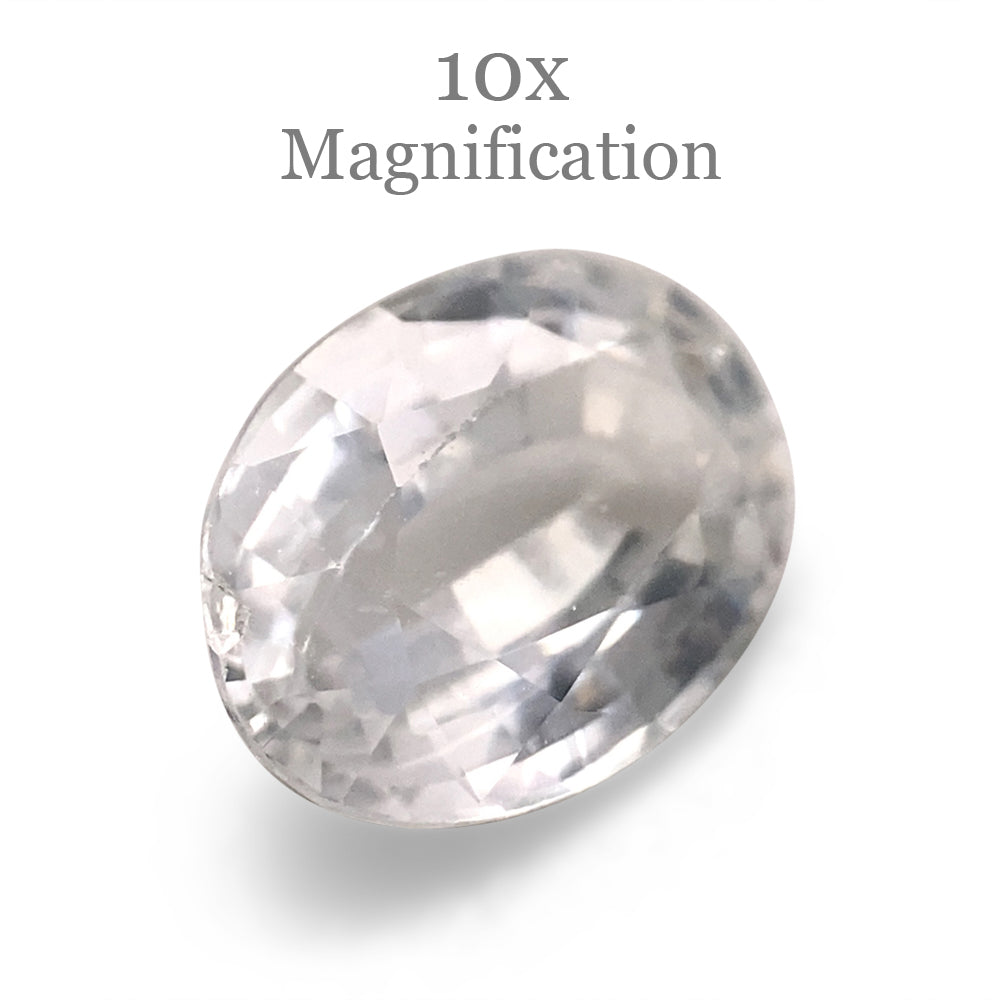
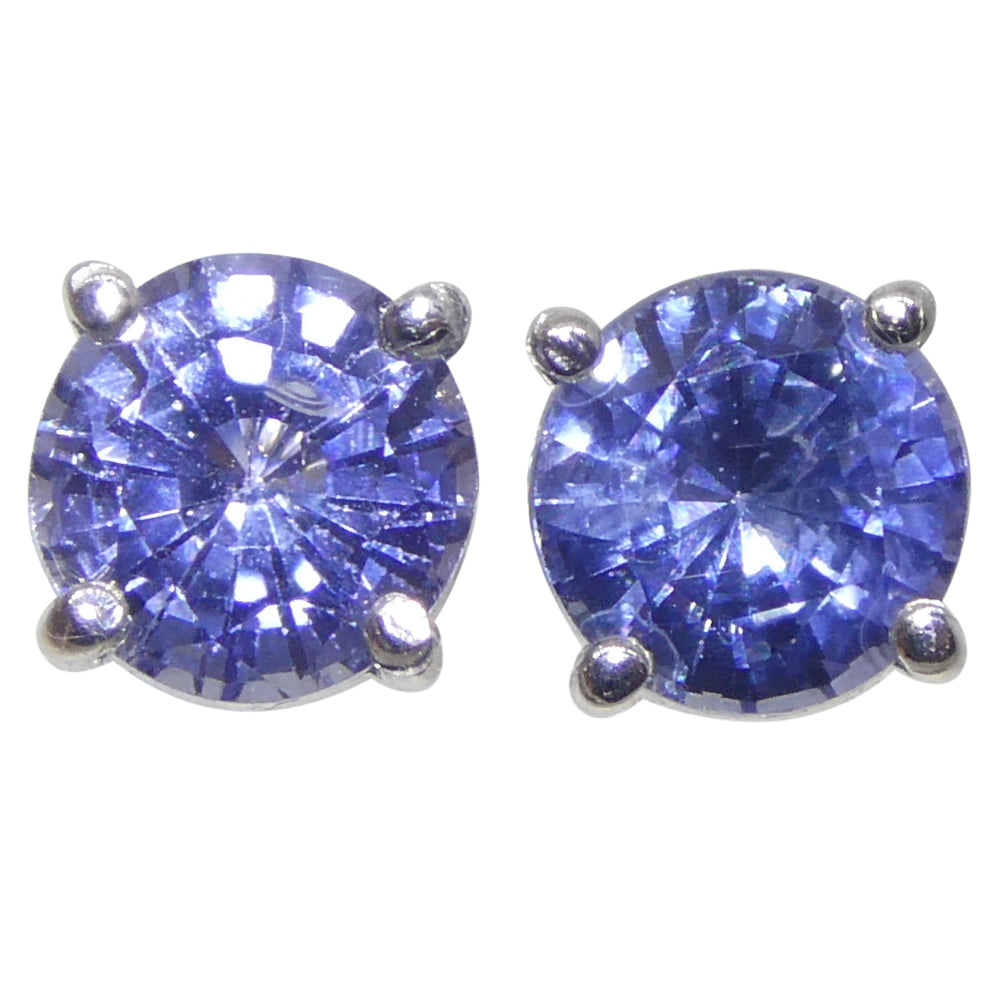
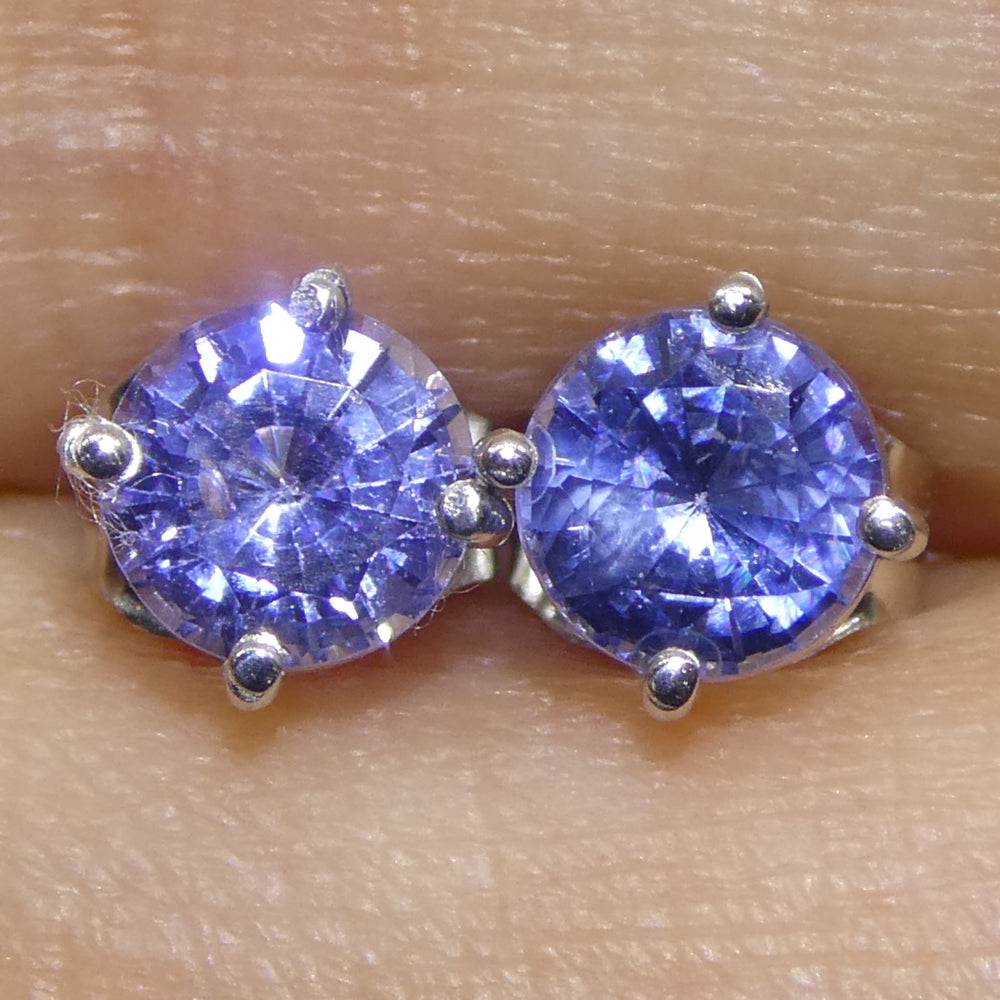
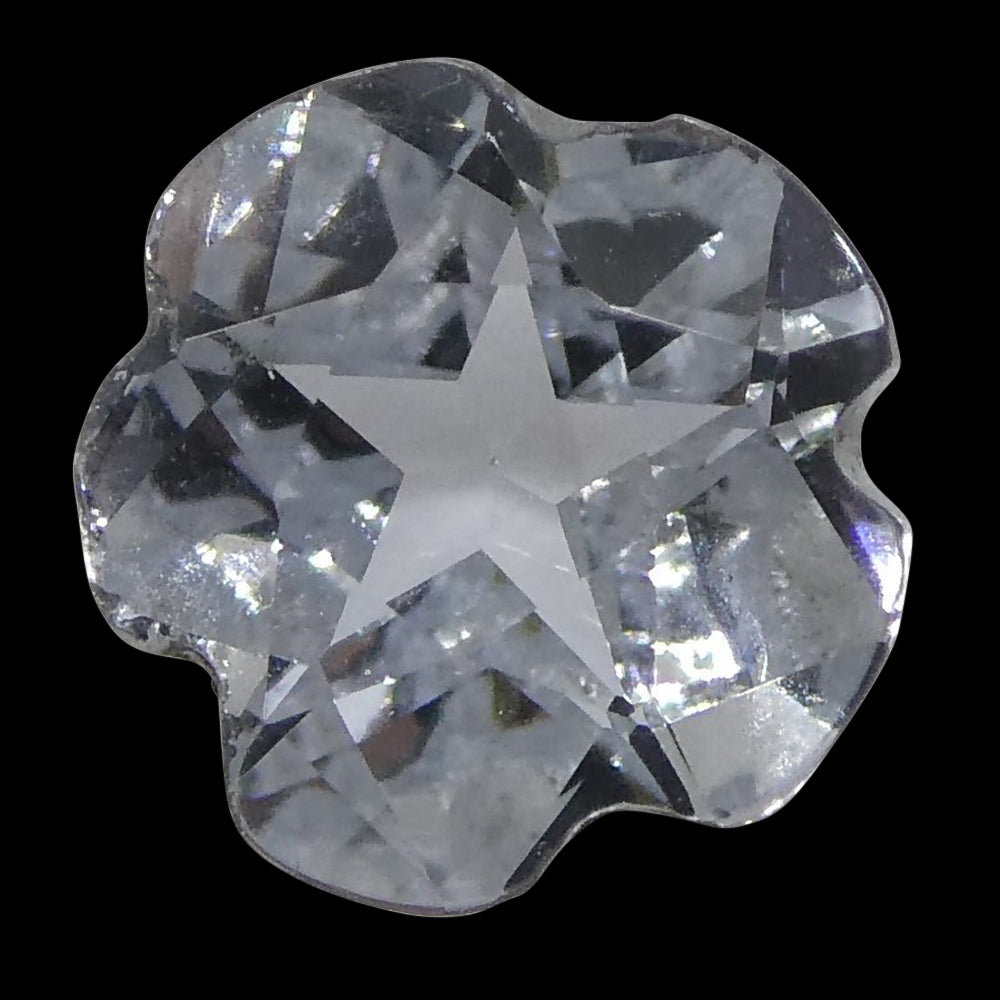
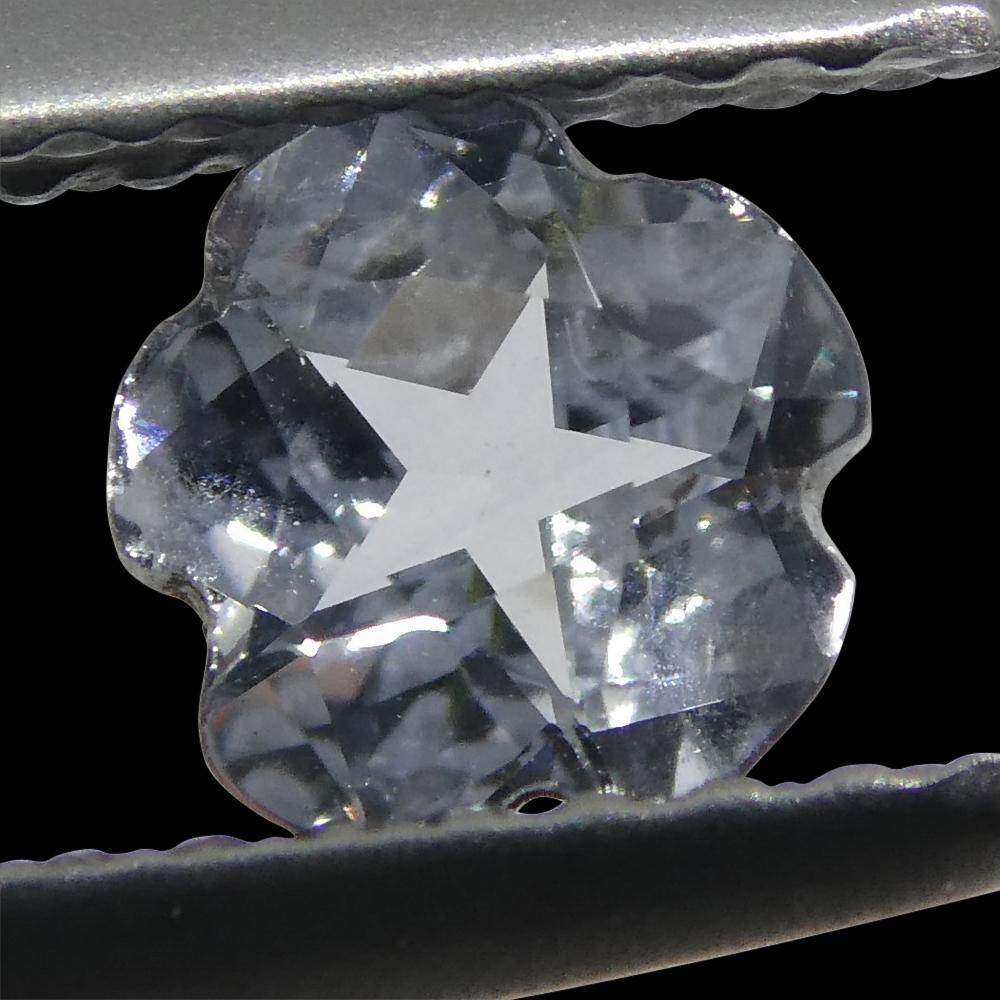
Here's the thing most people don't know walking in: sapphire is the same mineral as ruby — corundum — and it comes in nearly every colour except red (a red one is just called a ruby). So when we say we hold more than 350 sapphires, over 85 of them certified by GIA New York, we don't mean 350 blue stones. We mean blue, of course, but also pink, soft teal, warm yellow, the occasional stone that shifts from blue to violet as you walk it from daylight into lamplight, and the rare pink-orange padparadscha that's the crown of the case. If you've only ever pictured a deep royal blue, come in with an open mind — the colour you fall for might surprise you.
Where our sapphires come from
Origin matters with sapphire, and we tell you plainly on every stone. Ceylon (Sri Lanka) is the classic name — known for that bright, lively cornflower blue and for fine pinks and padparadschas. Madagascar has become one of the world's great sources in the last few decades and produces gorgeous blues and teals, often at gentler prices for the same beauty. Neither is "better" in the abstract; it depends on the individual stone in front of you. What we won't do is hide where a stone is from — origin is disclosed, and on the GIA-certified stones it's on the report.
Heated, unheated, and why the price moves
Almost all sapphire on the market is heat-treated — a one-time, stable, permanent process that's been used for centuries to bring out a stone's natural colour and clarity. There's nothing wrong with it; the great majority of beautiful sapphires you'll ever see are heated, and we're happy to set them. An unheated sapphire — colour straight from the earth, confirmed by a lab — is genuinely rare, and that scarcity is why it commands a premium. We disclose treatment on every stone, heated or not, so you can decide what matters to you. Plenty of people choose a stunning heated Ceylon blue and never look back; others want the unheated stone and the report that proves it. Both are honest choices.
A word on star sapphires
If you've never held one, ask. A star sapphire is cut as a smooth dome (a cabochon) rather than faceted, and tiny needle-like inclusions inside scatter light into a six-rayed star that glides across the surface as you tilt it. It's a completely different kind of beauty from a faceted stone — quieter, almost alive in the light — and it makes a ring nobody else will have. We keep a handful in stock.
More questions
How do I choose between a blue, a teal, a pink and a padparadscha sapphire?
Honestly, by looking — which is exactly why we lay the loose stones out for you. Blue is the timeless one and the easiest to match later; teal sits beautifully with both yellow and white gold and reads as a touch more modern; pink is romantic and pairs naturally with rose gold; padparadscha is the rarest and the one people fall hardest for. There's no wrong answer, only the colour that's yours. Sit down, see them side by side in real light, and trust your eye — we'll talk you through what each one is.
How can I tell if a sapphire is heated or unheated, and does it matter for my ring?
You can't tell by eye — it takes a gemmological lab, which is why a report matters. For everyday wear it makes no practical difference: a heated sapphire is just as hard, just as durable, and just as beautiful as an unheated one. The difference is rarity and price. If unheated is important to you, we'll show you stones with the documentation to back it; if it isn't, you'll get more colour for your budget with a fine heated stone. We disclose the treatment either way, so the choice is always yours and never a surprise.
What's the difference between a Ceylon and a Madagascar sapphire?
Both are top-tier sources — the difference is character, not quality. Ceylon (Sri Lanka) is the heritage name, famous for bright cornflower blues and exceptional pinks and padparadschas. Madagascar is the newer powerhouse, producing rich blues and lovely teals, often representing better value stone-for-stone. Rather than chase a name on paper, come in and compare the actual gems — the right sapphire is the one that looks best to you in the metal you've chosen, whatever the map says.
Is sapphire hard enough for an engagement ring I'll wear every day?
It is — and this is one of sapphire's great quiet advantages. On the Mohs hardness scale sapphire is a 9, second only to diamond, which makes it an excellent choice for a ring worn every single day. That's part of why sapphire engagement rings have stayed popular for generations. We'll still recommend a setting that protects the stone well, and your ring comes with free sizing and cleaning for life so it stays looking its best.
Can I just buy a loose sapphire and take it to my own jeweller?
Of course — and we're glad to. If you already have a jeweller you trust and you simply can't find the right gem, come in, sit with the sapphires, pick the one you love, and take it to them. We're a dealer first; selling you a beautiful, properly disclosed stone on its own is something we do happily, no pressure to have us build the ring.
How do you ship a sapphire, and is it insured?
Complimentary insured delivery within Canada and the United States, fully insured door to door, with international delivery arranged on request. Whether it's a loose certified sapphire or a finished custom ring, it travels protected. Call us anytime at 416-366-3335 if you'd like to talk it through first.